
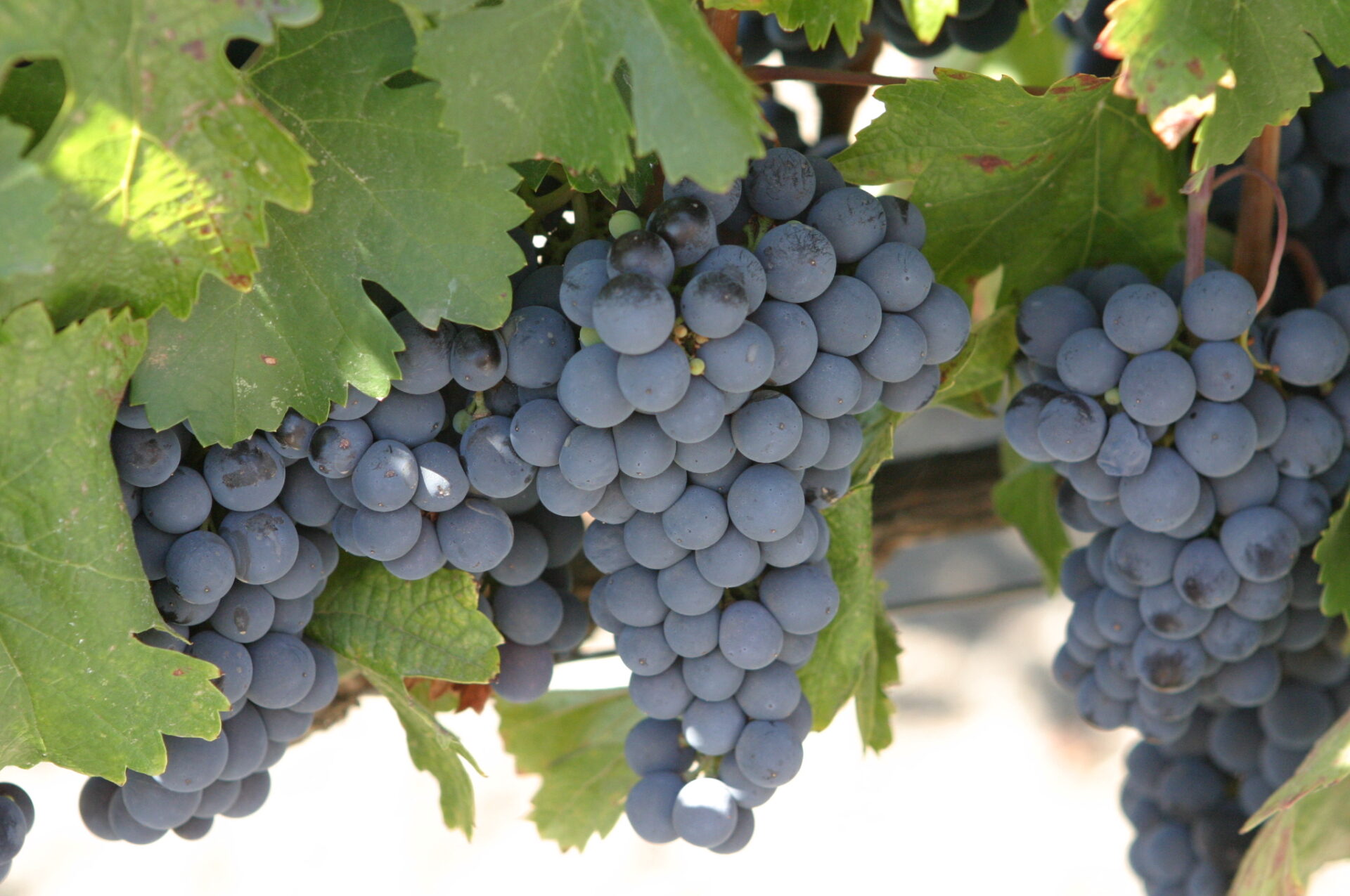
Malbec and Cabernet Sauvignon are both full-bodied, dark-fruited red wines with French origins that found their greatest modern expression elsewhere. They can look similar in the glass and pair with overlapping foods. But they are fundamentally different wines: Malbec is softer, fruitier, and built for immediate pleasure; Cabernet Sauvignon is more structured, more complex, and built to reward patience. Knowing which to reach for changes depending entirely on the occasion, the food on the table, and what you actually want in the glass tonight.
In this article
- 1 Where They Come From: French Roots, Global Fame
- 2 How They Taste: The Key Differences
- 3 Food Pairing: Different Meats, Different Moments
- 4 Ageing Potential: Tonight vs the Cellar
- 5 Price and Value: Which Delivers More for the Money?
- 6 Which Should You Choose? A Quick Decision Guide
- 7 Frequently Asked Questions
- 7.1 Is Malbec or Cabernet Sauvignon better?
- 7.2 What is the main difference between Malbec and Cabernet Sauvignon?
- 7.3 Which is stronger, Malbec or Cabernet Sauvignon?
- 7.4 Which wine is better with steak, Malbec or Cabernet Sauvignon?
- 7.5 Is Malbec smoother than Cabernet Sauvignon?
- 7.6 Where does Malbec come from?
Where They Come From: French Roots, Global Fame
Malbec: From Cahors to the Andes
Malbec originated in southwest France, particularly in the Cahors appellation on the River Lot, where it was known as Côt (and occasionally Auxerrois). In Bordeaux it served as a minor blending grape, but its susceptibility to disease and frost limited its role there. It was transplanted to Argentina in the mid-19th century, and in the high-altitude vineyards of Mendoza — where strong sunlight, dramatic diurnal temperature swings, and thin Andean air combine to produce concentrated, phenolically ripe fruit — it found conditions perfectly suited to its character. Argentine Malbec now accounts for the vast majority of the world’s Malbec production and has made the country’s most famous wine export.
It is worth knowing the French original, though. Cahors Malbec — sometimes called le vin noir (the black wine) for its extraordinary colour intensity — is a completely different animal: darker, more tannic, more mineral, more austere than its Argentine counterpart. The same grape in different terroir produces wines that could easily be confused for different varieties by someone tasting blind.
Cabernet Sauvignon: The World’s Most Planted Red Grape
Cabernet Sauvignon’s origins are more recent than you might expect: DNA analysis has shown it is a natural crossing of Cabernet Franc and Sauvignon Blanc, which likely occurred spontaneously in Bordeaux sometime in the 17th century. From there it spread to become the most widely planted red grape in the world, grown on every continent that produces wine.
Its spiritual home remains Bordeaux’s Médoc, where it forms the backbone of the region’s most prestigious wines (Château Latour, Mouton Rothschild, Margaux), typically blended with Merlot, Cabernet Franc, and Petit Verdot. Its most famous New World address is Napa Valley, where the warm days and cool nights of the mountain and valley floor produce wines of extraordinary concentration and power. It also thrives in Chile’s Maipo Valley, Coonawarra in Australia (where the distinctive terra rossa soil over limestone produces a characteristic minty quality), Stellenbosch in South Africa, and Tuscany (as the base of Super Tuscan wines like Sassicaia).
How They Taste: The Key Differences
Malbec: Plush, Dark, and Velvety
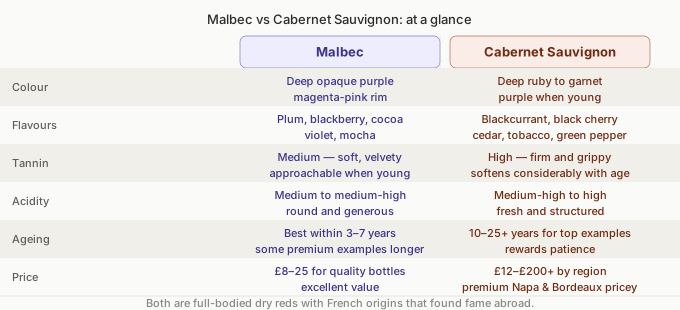
Argentine Malbec’s defining quality is a particular combination of deep, ripe dark fruit with soft, velvety tannins that make it unusually approachable even without aging. The fruit profile centres on plum, blackberry, and blueberry — riper and denser than Cabernet, with less of the green or herbal edge. Secondary notes of cocoa, mocha, and violet are common, with baking spice and sometimes coffee from oak aging.
The magenta-pink rim is Malbec’s most reliable visual identifier. No other mainstream red grape shows that particular vivid pink at the wine’s edge as consistently. The body of the wine is deep opaque purple — almost inky. In the mouth, the wine is full-bodied but not aggressive: there is grip from the tannins, but they feel more cushioned and generous than the angular firmness of young Cabernet. Acidity is medium rather than high, which contributes to the wine’s round, almost plush character.
One nuance worth noting: Malbec from high-altitude vineyards in the Uco Valley (above 1,000 metres, some plots above 1,500 metres) can be significantly more structured, fresh, and complex than basic Mendoza Malbec. The altitude cools the grapes, preserves acidity, and produces wines with greater tension and ageing potential. If you’ve only had entry-level supermarket Malbec, a Uco Valley example at £25–35 will reframe the grape entirely.
Cabernet Sauvignon: Structured, Complex, and Built to Last
Cabernet Sauvignon’s character is defined by its firm, grippy tannins and a flavour profile centred on blackcurrant (cassis) — darker and more savoury than the plummy fruit of Malbec. Alongside that: black cherry, blackberry, and a characteristic savouriness that varies by origin: cedar and graphite in Bordeaux (from the cool climate and gravel soils), eucalyptus and tobacco in Napa, mint in Coonawarra, green bell pepper and cassis in cooler-climate examples everywhere.
The bell pepper note deserves a brief explanation. It comes from a compound called methoxypyrazine, which is naturally present in Cabernet Sauvignon grapes and is only fully metabolised in very warm, ripe conditions. In Bordeaux’s cooler vintages and in cooler New World sites, it shows clearly as a green capsicum character. Wine drinkers often either love or hate this — it is a varietal fingerprint, not a fault.
Cabernet’s most important structural characteristic is its high tannin content, derived from the grape’s thick skins. These tannins create the firm, astringent, gum-drying sensation that can make young Cabernet challenging to drink without food. They also act as a natural preservative, allowing top Cabernets to age for decades — developing extraordinary complexity as the fruit evolves from fresh blackcurrant to dried fruits, leather, tobacco, and truffle, and the tannins gradually integrate and soften. A great Bordeaux Cab at 20 years is a completely different wine to the same bottle at 2 years.
Food Pairing: Different Meats, Different Moments
Both wines are natural partners for red meat, but the structural differences between them mean they suit different cuts and cooking styles.
Malbec at the Table
Malbec’s soft tannins and generous fruit make it the more versatile of the two at the table. It excels with:
- Leaner cuts of beef — sirloin, flank steak, bavette. The wine’s fruit richness compensates for the leaner meat without the heavy tannin structure of Cabernet overwhelming it.
- Grilled meats and barbecue — the smokiness of the grill echoes the mocha and cocoa notes in the wine. Argentine asado (wood-fire grill) with Malbec is one of the great regional pairings in world food.
- Lamb — rack of lamb, lamb chops, slow-cooked shoulder. The wine’s dark fruit complements lamb’s gaminess beautifully.
- Dishes with spice — Moroccan lamb, chilli, chipotle-rubbed meats. The wine’s fruit-forward generosity handles spice more forgivingly than Cabernet’s tannic structure.
- Mushroom-based dishes — the earthy, umami quality of mushrooms resonates with Malbec’s cocoa and mocha notes.
- Burgers and casual red meat — Malbec at £12 with a good burger is one of the best value pairings in wine.
Cabernet Sauvignon at the Table
Cabernet’s firm tannins and high acidity are designed to work with rich, fatty, protein-dense food. The fat softens the tannins; the tannins cut through the fat; both improve. It excels with:
- Fatty cuts of beef — ribeye, T-bone, porterhouse, brisket, prime rib. The more marbled the cut, the better. This is the quintessential Cabernet pairing, particularly with a Napa Cab or a serious Bordeaux.
- Lamb chops and rack of lamb — both Cabernet and Malbec work here; Cabernet’s structure handles the richer, more intensely flavoured cuts better.
- Aged hard cheeses — aged Cheddar, Comté, Manchego, Parmigiano-Reggiano. The salt and protein density of aged cheese tames Cabernet’s tannins in the same way fatty meat does.
- Rich sauces — peppercorn, red wine reduction, mushroom sauce. The complexity of the sauce matches the complexity of the wine.
- Hearty stews and braises — beef bourguignon, braised short ribs, oxtail. Slow-cooked dishes that develop deep savoury flavours are natural companions.
One pairing to avoid with young Cabernet: lean, lightly seasoned fish or delicate vegetable dishes. The wine’s tannins will taste harsh against anything that doesn’t provide fat or protein to soften them. For food pairing principles that apply more broadly, our food and wine pairing guide covers the underlying logic.
Ageing Potential: Tonight vs the Cellar
This is perhaps the starkest practical difference between the two.
Malbec is generally at its best within 3 to 7 years of the vintage. The fruit is the point, and it is at its most vivid and generous when young. Most Malbec under £25 should be drunk within 3–5 years. Premium single-vineyard Uco Valley Malbec from top producers can hold for 10–15 years, developing complexity that rewards patience. But unlike Cabernet, Malbec rarely needs time — it is enjoyable from day one.
Cabernet Sauvignon is one of the most age-worthy red grapes in the world. Its high tannin and acidity act as preservatives, and the best examples from Bordeaux, Napa, and Coonawarra genuinely improve over decades. A top Bordeaux Cab at 5 years may still feel tight and austere; at 15 years it starts to show complexity; at 25 years it can be transcendent. Even entry-level Cabernet benefits from 2 to 3 years of age. The caveat: cellaring is only worthwhile if the wine has the quality and structure to reward it. Many cheap Cabernets are better drunk young.
Price and Value: Which Delivers More for the Money?
At the entry level, Malbec wins on value almost every time. A bottle of Argentine Malbec at £12–18 delivers genuine fruit depth and generosity that is hard to match in any other variety at that price. The combination of Argentina’s favourable production economics and the grape’s natural approachability means you rarely get a disappointing bottle in that range.
Cabernet Sauvignon is more price-variable. At the entry level (£12–18), the results are mixed — the grape’s tannic structure can be challenging in inexpensive versions where the fruit hasn’t been coaxed into balance. The value zone for Cabernet is £18–35, where Chilean Maipo Valley and South African Stellenbosch Cabernets offer serious quality. Above £60, great Napa and Bordeaux Cabernet enters genuinely irreplaceable territory — but it is expensive.
The verdict: for casual drinking and everyday value, Malbec is the better buy. For a special-occasion bottle that will improve over years in a cellar, Cabernet Sauvignon offers something Malbec cannot match.
Which Should You Choose? A Quick Decision Guide
- Drinking tonight, no food planned — Malbec. Its soft tannins and generous fruit make it more enjoyable without a meal.
- Grilling leaner steaks or lamb at a barbecue — Malbec. The smoky, spice-friendly character is built for this setting.
- Serving a ribeye or very rich braised beef — Cabernet Sauvignon. The tannins need that fat, and reward it with something both wines can’t do separately.
- Budget under £15 — Malbec almost always delivers more at this price point.
- Buying a bottle for someone’s cellar — Cabernet Sauvignon from a good vintage in Napa, Bordeaux, or Maipo. It will improve for years.
- New to red wine, not sure about tannins — Malbec. Its softness is the most accessible introduction to full-bodied red wine.
- Experienced red wine drinker who wants complexity — a good Cabernet with a few years of age. The depth it develops is unique.
- Serving spicy food — Malbec. Cabernet’s tannins can feel harsh and amplified alongside strong spice.
The most useful thing you can do is taste them side by side. Open both on the same evening — a Mendoza Malbec and a Chilean or Australian Cabernet at similar prices — and the differences will be immediately obvious in a way no amount of reading can replicate. For a structured approach to this kind of comparison, see our guide to blind wine tasting at home.
Frequently Asked Questions
Is Malbec or Cabernet Sauvignon better?
Neither is objectively better — they are different wines suited to different occasions. Malbec is softer, fruitier, and more approachable when young, making it better for casual drinking, leaner meats, and spice-forward food. Cabernet Sauvignon is more structured, more complex, and more age-worthy, making it better for rich fatty meats, formal occasions, and cellaring. Malbec offers better value at entry-level prices; Cabernet rewards more investment at the premium end.
What is the main difference between Malbec and Cabernet Sauvignon?
The most important difference is tannin. Malbec has medium, soft, velvety tannins that make it approachable from the day of purchase. Cabernet Sauvignon has high, firm, grippy tannins that make it austere when young but allow it to age for decades. In flavour terms: Malbec is centred on plum, blackberry, cocoa, and violet; Cabernet Sauvignon is built around blackcurrant (cassis), cedar, tobacco, and graphite. Both are full-bodied dry reds with dark colour and high alcohol.
Which is stronger, Malbec or Cabernet Sauvignon?
Both typically range between 13.5% and 15% ABV, so they are similar in alcohol strength. Cabernet Sauvignon feels more “powerful” in the structural sense because of its higher tannin and acidity, which create a firmer, more intense impression in the mouth. Malbec at the same alcohol level feels rounder and softer despite similar strength. High-altitude Argentine Malbec can reach 14.5–15% with no perception of heat because the acidity and fruit balance the alcohol well.
Which wine is better with steak, Malbec or Cabernet Sauvignon?
Both work well with steak, but the cut matters. For leaner cuts (sirloin, flank, bavette, filet mignon), Malbec’s soft tannins and generous fruit complement without overwhelming the meat. For fatty, marbled cuts (ribeye, T-bone, prime rib), Cabernet Sauvignon’s firm tannins are better: they cut through the fat, which in turn softens the tannins, creating a seamless pairing. At a barbecue or grill, Malbec is the more versatile all-round choice. At a formal steakhouse dinner, Cabernet Sauvignon is the classic answer.
Is Malbec smoother than Cabernet Sauvignon?
Yes, in general. Malbec’s tannins are softer and more rounded than Cabernet Sauvignon’s, giving it a velvety, plush mouthfeel that most people find more immediately approachable. Cabernet’s firm tannins create a grippier, drier sensation, particularly in young wines. The difference is most pronounced in entry-level bottles; at the premium end, skilled winemaking and careful oak aging can produce very polished, smooth Cabernet that narrows the gap considerably.
Where does Malbec come from?
Malbec originated in southwest France, where it was used as a blending grape in Bordeaux and made into varietal wine in Cahors (where it is called Côt). It found its greatest modern expression in Argentina, particularly in the Mendoza region, where high altitude and a strong diurnal temperature swing produce wines of extraordinary depth, ripeness, and colour. Argentina now accounts for the majority of the world’s Malbec production. Chilean Malbec is also worth exploring as a slightly more structured, fresher alternative.