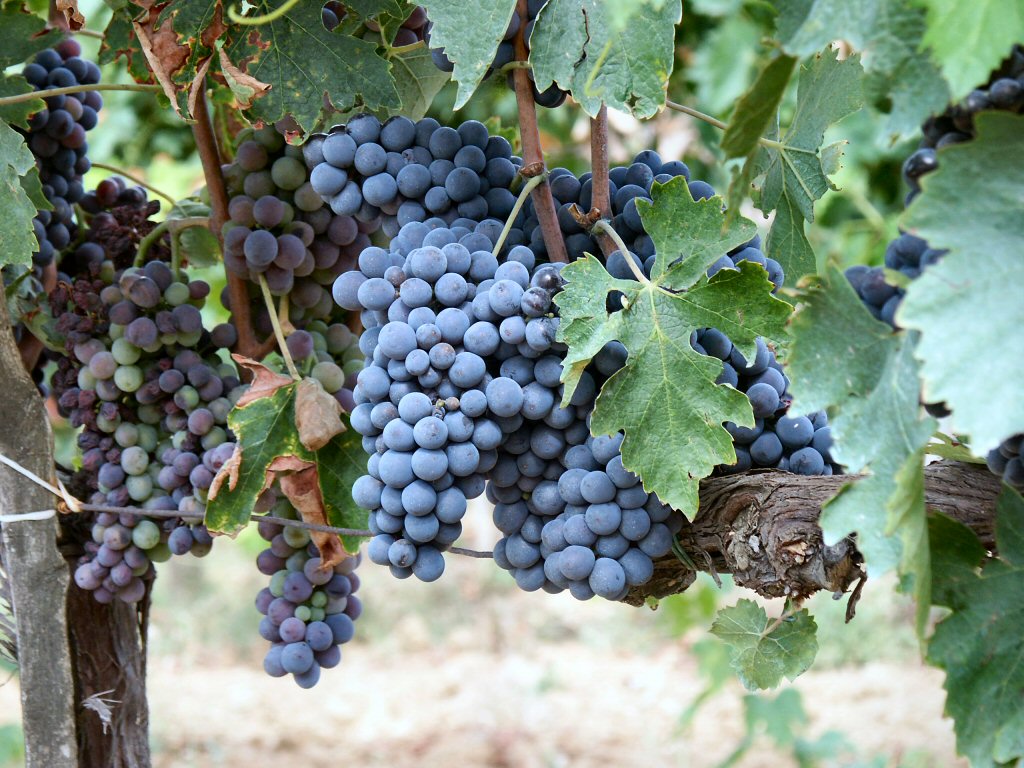
Sangiovese tastes like sour cherry, dried herbs, and tomato leaf — with a grip of firm tannins and a streak of high acidity running through everything. It is unmistakably Italian, unmistakably savoury, and one of the most food-friendly red wines on the planet. If you’ve ever had a Chianti with pasta or a Brunello with steak, you’ve already met Sangiovese, even if the label never mentioned the grape.
In this article
What Sangiovese Tastes Like: The Core Flavour Profile
Sangiovese has one of the most distinctive flavour signatures of any red grape. The combination of high acidity, firm tannins, and that particular savoury, herb-inflected character makes it immediately recognisable once you know what to look for.
The Fruit: Sour Cherry at the Core
The primary fruit in Sangiovese is sour cherry — not the sweet black-cherry richness of Merlot or the ripe plum of Malbec, but the tart, bright, almost cranberry-adjacent character of Morello cherries. Alongside that: red plum, dried cherry, sometimes strawberry in lighter styles. In riper, warmer-climate examples you’ll find dark cherry and blackberry entering the picture, but the sour cherry core almost always stays.
One of Sangiovese’s most reliable tells is what wine writers call a tomato note — a subtle but distinctive savoury quality that sits between the fruit and the herbs. It’s not unpleasant; it’s the same savoury quality that makes the wine pair so naturally with tomato-based cooking. Some describe it as tomato leaf or sun-dried tomato. It appears in almost every Sangiovese regardless of style or region, and once you notice it, you’ll find it every time.
Herbs, Earth and Leather
Beyond the fruit, Sangiovese always carries a herbal, savoury layer: oregano, thyme, dried Mediterranean herbs. In older wines or those with more oak aging, this shifts into tobacco, leather, and sometimes a clay or dusty earth quality. In the very finest examples — aged Chianti Classico Riserva, Brunello di Montalcino — these secondary and tertiary notes take centre stage as the wine develops complexity over years in bottle. Violet and iris are common floral notes in younger Sangiovese, adding a lift to what might otherwise be a purely savoury profile.
Structure: High Acidity, Firm Tannins
Two structural characteristics define Sangiovese regardless of where it’s grown or how it’s made:
- High acidity — mouth-watering, persistent, the kind that makes your salivary glands work. This is the characteristic that makes Sangiovese exceptional with food: the acidity cuts through fat, lifts rich sauces, and refreshes the palate between bites. It’s also what gives the wine its ageing potential; that same acidity acts as a preservative.
- Firm tannins — present but not brutal in most styles. In young Brunello they can be grippy and demanding; in village-level Chianti they’re more approachable. The key thing to know is that Sangiovese’s tannins are described as “fine” rather than coarse — the drying sensation is there but it doesn’t taste bitter. With age, these tannins integrate and soften considerably.
The result is a wine that sits at a medium-to-full body with lively acidity and a savoury, slightly austere character — the opposite of the plush, fruit-forward style of many New World reds. Sangiovese is a wine that reveals itself through food and time, not by being immediately opulent on its own.
How Style Affects the Taste: From Chianti to Brunello
Sangiovese is a chameleon grape. It adapts to its terroir and winemaking treatment more dramatically than most red varieties, which is why a basic Chianti and a Brunello di Montalcino — both 100% (or near-100%) Sangiovese — can taste so different. Here’s how the main styles compare.
Chianti and Chianti Classico
The most widely available Sangiovese wine. Chianti (the broader appellation) uses a minimum 70% Sangiovese blended with other local and international grapes. Chianti Classico — the historic heartland between Florence and Siena, identified by the black rooster (Gallo Nero) on the label — requires a minimum 80% Sangiovese and is consistently the better wine.
What Chianti Classico tastes like: bright sour cherry, dried herbs, violet, firm but not aggressive tannins, high acidity, medium body. The Riserva designation (minimum 24 months aging) adds tobacco, leather, and earthy depth. The Gran Selezione (minimum 30 months, from selected plots) is the category’s most serious expression, rivalling Brunello in concentration and complexity at a lower price.
Brunello di Montalcino
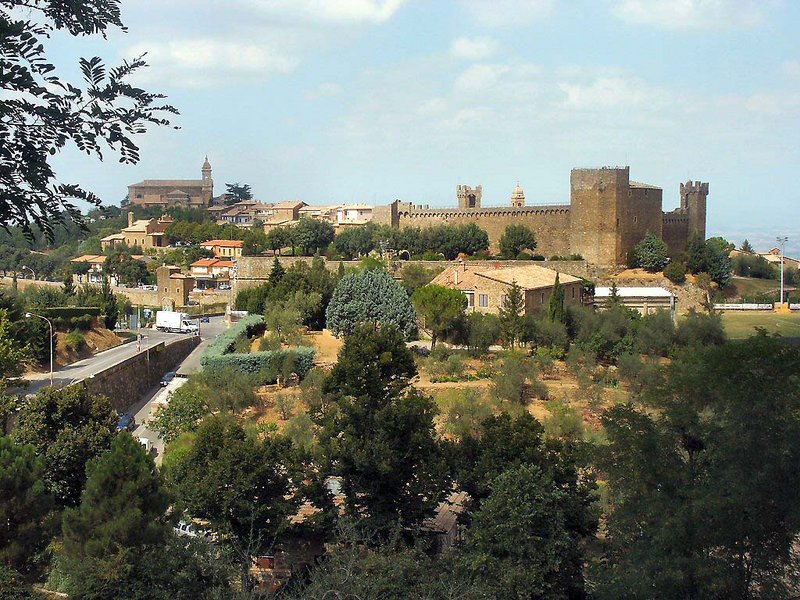
The pinnacle of Sangiovese. Made from 100% Sangiovese Grosso (locally called Brunello) in the hills around the medieval town of Montalcino, south of Siena. Mandatory minimum aging of four years before release (five for Riserva). The wines are powerful and structured when young — dark cherry, balsamic, leather, chocolate, with formidable tannins — and develop extraordinary complexity over 15–30 years in bottle.
Key producers: Biondi-Santi (the historic estate that essentially created Brunello as a wine style), Case Basse di Gianfranco Soldera (legendary for depth and longevity), Ciacci Piccolomini d’Aragona, and Casanova di Neri. Brunello is not cheap — entry-level bottles start around £35–50 and the prestige cuvees reach several hundred. But the Rosso di Montalcino — Brunello’s younger sibling, from the same producers, released earlier and without the long aging requirement — offers Brunello character at £18–30 and is one of Italy’s best value reds.
Other Key Sangiovese Wines
- Vino Nobile di Montepulciano — from the hilltop town of Montepulciano (not to be confused with the grape of the same name from Abruzzo). Minimum 70% Sangiovese (called Prugnolo Gentile here). Style sits between Chianti Classico and Brunello: plummy, violet, earthy, with good ageing potential. Often underrated and very good value in Riserva form.
- Morellino di Scansano — from the Maremma coastal area of Tuscany. Warmer climate produces a softer, fruitier style of Sangiovese — riper cherry, less austerity, more immediately approachable. An excellent gateway wine for Sangiovese newcomers.
- Rosso di Montalcino — as above, the approachable younger-release version from Brunello producers. The best value route into understanding what makes Montalcino special.
- Super Tuscans — wines like Tignanello and Sassicaia that blend Sangiovese with international varieties (Cabernet Sauvignon, Merlot). Fuller-bodied, richer, less austere than pure Sangiovese. They introduced Tuscany to the international market in the 1980s but have become expensive status symbols.
What Food Goes With Sangiovese?
Sangiovese’s high acidity and savoury character make it one of the most food-friendly red wines you can open. The same acidity that can make it taste austere on its own becomes an asset at the table, cutting through fat and lifting rich flavours.
The textbook pairing is Italian tomato-based cooking. Pasta with ragù, pizza, spaghetti alle vongole in bianco, cacciucco (Tuscan fish stew), pici with wild boar sauce — the shared acidity between the wine and tomato creates a harmonious bridge that few other red wines can match. This is not a coincidence; Sangiovese and tomatoes evolved in the same culinary landscape.
Beyond Italian food:
- Bistecca alla Fiorentina — the ultimate Chianti Classico pairing: the wine’s acidity and tannins slice through the fat of a thick, grilled Florentine T-bone. The regional match that every wine student is taught for a reason.
- Roast lamb and pork — the herbal, savoury character of Sangiovese echoes the herbs used to season the meat. A Chianti Classico Riserva with a rosemary-and-garlic leg of lamb is one of the great Sunday lunch combinations.
- Hard aged cheeses — Parmigiano-Reggiano, Pecorino Toscano, aged Manchego. The salt and umami in the cheese harmonises with the wine’s tannin and acidity.
- Mushroom dishes — the earthy, fungal notes in aged Sangiovese echo the umami of porcini and truffle. A Brunello with a truffle pasta is a pairing of extraordinary resonance.
- Charcuterie — prosciutto, salami, bresaola. The salt tames the tannins; the fat balances the acidity. The classic Italian antipasto board with a glass of Chianti is one of wine’s most reliable pleasures.
What to avoid: very spicy food (amplifies the acidity uncomfortably) and creamy sauces without acidity or salt to balance the wine (the tannins clash with fat without any bridging element). Sangiovese is a food wine, not a solo drinker.
How to Recognise Sangiovese in a Blind Tasting
Sangiovese has several reliable sensory tells that make it one of the more identifiable red grapes once you know the fingerprint.
- Colour: Medium ruby, often with a slight orange rim even in relatively young wines. Never deeply opaque. The colour is brighter and more translucent than Syrah or Malbec at the same age.
- The tomato note: That subtle savoury, almost garden-soil quality on the nose. If you smell it, Sangiovese should move to the top of your shortlist.
- Sour cherry + dried herbs: The combination of tart red fruit with oregano, thyme, or dried flowers is characteristic. It’s not one or the other — it’s both at once.
- The acidity hit: Sangiovese makes your mouth water. The acidity is immediate and persistent in a way that distinguishes it from softer reds like Merlot or Grenache.
- Tannin texture: Present but fine-grained, not coarse. After swallowing, the drying sensation is there but without bitterness. The finish often shows a pleasant tannic astringency.
The blind tasting logic: if you taste a medium-bodied red with sour cherry, dried herbs, high acidity, and that slight tomato-savoury note, Sangiovese from Tuscany is your first guess. If the profile is richer and more tannic with dark cherry and leather, consider Brunello or a Chianti Classico Gran Selezione. For more on building these recognition skills, our guide to blind wine tasting at home has everything you need to practice them systematically.
How to Serve Sangiovese
Temperature: 16–18°C (60–65°F) — slightly cooler than room temperature in most homes. Serving too warm amplifies the alcohol and can make the acidity feel aggressive. If the bottle has been at room temperature (20°C+), fifteen minutes in the fridge before opening is worth doing.
Decanting: Young Chianti and Rosso di Montalcino benefit from 30 minutes of air. Young Brunello di Montalcino often benefits from 1–2 hours of decanting to soften its tannins and allow its complex aromas to open up. Older vintages (10+ years) should be decanted carefully to separate from any sediment, but only for 20–30 minutes — very old wines can fade quickly once exposed to air.
Glassware: A medium Bordeaux-style glass. The slightly tapered rim concentrates the herbal and cherry aromas toward the nose while managing the tannins. The large bowl allows the wine to breathe naturally as you drink.
For more on exploring Italian grape varieties and the wider world of red wine grapes, start with our grape varieties section.
Frequently Asked Questions
What does Sangiovese taste like?
Sangiovese tastes primarily of sour cherry, with a distinctive savoury, tomato-leaf quality that sets it apart from most other red grapes. Dried herbs (oregano, thyme), violet, and earthy notes round out the profile. The wine has high acidity and firm but fine-grained tannins, giving it a slightly austere character that makes it exceptional with food. With age, the fruit gives way to tobacco, leather, and dried flower complexity.
Is Sangiovese similar to Merlot or Cabernet Sauvignon?
No — Sangiovese tastes quite different from both. Merlot is softer, rounder, and lower in acidity, with plummy fruit and little of Sangiovese’s savoury character. Cabernet Sauvignon has more aggressive tannins, richer black fruit, and typically a cedar or cassis character. Sangiovese sits between the two in body but has higher acidity than either, and a much more distinctly savoury, herbal, Italian character. It’s often compared to Pinot Noir in terms of lightness and food-friendliness, though its flavour profile is quite different.
What is the difference between Chianti and Sangiovese?
Sangiovese is the grape; Chianti is a wine made primarily from it. Chianti and Chianti Classico are specific appellations in Tuscany where Sangiovese (minimum 70–80% depending on the appellation) is blended with other local grapes like Canaiolo and Colorino, and sometimes with international varieties like Merlot. Most Chianti tastes like a medium-bodied, approachable version of Sangiovese. Chianti Classico, the historic heartland, produces more serious, complex, and age-worthy wines. Brunello di Montalcino and Vino Nobile di Montepulciano are also made predominantly or entirely from Sangiovese.
Is Sangiovese a good everyday wine?
Yes — basic Chianti and Morellino di Scansano are among the most food-friendly everyday red wines available, typically priced between £10–20. They pair with an enormous range of dishes (pizza, pasta, grilled meats, salumi) and are designed to be drunk relatively young. The more serious expressions — Chianti Classico Riserva, Vino Nobile di Montepulciano, Brunello di Montalcino — are weekend or special-occasion bottles that reward cellaring.
How do you pronounce Sangiovese?
Sangiovese is pronounced san-jo-VEY-zay (four syllables). The name derives from the Latin Sanguis Jovis, meaning “blood of Jove” (Jove being another name for Jupiter, the Roman god). It was likely coined by Capuchin monks in medieval Italy, referencing the grape’s deep red colour.