Wine tasting has its own vocabulary, and the first time you encounter it — at a tasting, reading a review, or listening to someone describe a bottle they love — it can feel like a foreign language. Chewy. Grippy. Closed. Showing beautifully. What does any of this actually mean? The good news is that most wine tasting terms are grounded in sensory reality: they describe specific things you can feel, smell, or taste, once you know what to look for. This glossary explains every term you are likely to encounter, in plain English, without the snobbery.
The terms are grouped by what aspect of the wine they describe: structure, aroma, taste, appearance, faults, and a handful of essential winemaking vocabulary. Use it as a reference while you taste — the language will become second nature quickly.
In this article
Structure: The Architectural Terms
Structure refers to the framework of a wine — the components that give it shape, longevity, and the ability to work with food. When people talk about a wine being “well-structured” they mean these elements are present in good proportion and in balance with each other.
Acidity
The tartness or crispness you feel in a wine, particularly along the sides of your tongue and the back of your jaw. High-acid wines make your mouth water — the saliva is the tell. Acidity keeps wine feeling fresh and lively, cuts through fat in food, and acts as a natural preservative that allows wine to age. Low-acid wines feel flat, heavy, or “flabby”. Descriptors for acidity range from crisp and refreshing through tart and zesty to sharp and aggressive at the extreme. Chablis, Sauvignon Blanc, and Sangiovese are high-acid wines; Viognier and warm-climate Chardonnay tend toward lower acidity.
Tannin
Tannins are naturally occurring phenolic compounds found in grape skins, seeds, and stems — and also in oak barrels. They create the drying, astringent, slightly puckering sensation on your gums, the roof of your mouth, and the inside of your cheeks — the same feeling you get from very strong black tea or an unripe apple. Tannins give red wine its backbone and grip, act as a natural preservative (allowing wines to age and develop), and soften significantly over time in bottle. Young Barolo or Cabernet Sauvignon can have fierce, grippy tannins; the same wine at 15 years will be velvety and integrated. White wines contain very little tannin because the juice has minimal contact with the skins.
Common tannin descriptors, from most aggressive to most supple: harsh, hard, grippy, chewy, firm, smooth, silky, velvety, soft. All describe the same compound at different intensities and levels of development.
Body
The weight and fullness of the wine in your mouth — how heavy or light it feels, like the difference between skimmed milk and full-fat cream. Body is primarily determined by alcohol content (higher alcohol = fuller body) and also by sugar, tannin, and extract. A light-bodied wine (Pinot Noir, Beaujolais, Muscadet) feels lean and delicate. A medium-bodied wine (Chianti, Merlot, un-oaked Chardonnay) fills the mouth without being heavy. A full-bodied wine (Barolo, oaked Napa Chardonnay, Shiraz) is rich, heavy, and lingering. Body is one of the first things to calibrate when assessing a wine or matching it to food.
Finish (Aftertaste, Length)
The taste and sensation that remains in your mouth after you swallow. The length of the finish is one of the most reliable indicators of wine quality: a short finish (the flavour disappears almost immediately) suggests a simpler wine; a long finish (flavour and sensation persist for 30, 60 seconds or more) is characteristic of complexity and quality. A finish can be clean or dirty, fruity or bitter, warm (from alcohol) or cool (from acidity), drying (from tannin) or refreshing. Finish and aftertaste are essentially synonymous; length refers specifically to how long the finish lasts.
Balance
The harmonious integration of acidity, tannin, alcohol, fruit, and sweetness — no single component dominates or feels out of place. A balanced wine where each element supports the others rather than competing is the fundamental goal of good winemaking. A wine can be powerful and still balanced; it can be delicate and still balanced. Imbalance shows as: too much tannin overwhelming the fruit; too much acidity making the wine harsh; too much alcohol creating a hot, burning finish; too much sweetness without enough acidity to match it. Harmony is a near-synonym often used in professional tasting notes.
Complexity
A wine is complex when it reveals multiple layers of flavour and aroma that evolve over time in the glass and on the palate, rather than expressing one simple, constant note. A complex wine changes as you smell it — the first sniff might give cherry; five minutes later, leather and tobacco emerge. It changes in the mouth too: the entry (first impression), mid-palate, and finish each tell a different part of the story. Complexity is partly a function of terroir, partly of grape variety, and partly of aging (oak and bottle). It is one of the qualities that most distinguishes a great wine from a merely good one.
Aroma and Nose: Smell Terms
Around 75–80% of what we experience as flavour is actually smell. The nose of a wine — what you detect before you taste — is often more informative than the palate.
Aroma vs Bouquet
Technically distinct, though often used interchangeably. Aroma refers to the fresh, primary smell of the grape itself — the fruit, floral, and herbal characteristics that come directly from the variety. Bouquet refers to the more complex smells that develop through fermentation and aging — the secondary and tertiary notes of oak, earth, leather, mushroom, and dried fruit that emerge over time. A young wine has aroma; an aged wine has bouquet. In practice, most tasters use “aroma” for both, with “nose” as the overall term for everything you smell.
Primary, Secondary and Tertiary Aromas
A useful framework for understanding what you’re smelling and where it comes from:
- Primary aromas come from the grape variety itself: fruit (cherry in Pinot Noir, blackcurrant in Cabernet), flowers (violet in Malbec, rose in Gewurztraminer), and herbs (bell pepper in Cabernet Franc, herbs in Sauvignon Blanc). These are the most obvious smells in a young wine.
- Secondary aromas come from fermentation: the activity of yeast produces bread dough, yogurt, cream, and buttery notes. Malolactic fermentation (a secondary bacterial fermentation in most reds and some whites) adds a creamy, buttery quality to wines like Chardonnay.
- Tertiary aromas (also called the bouquet) come from aging — either in oak barrels or in bottle. Oak aging adds vanilla, toast, cedar, cigar box, and smoke. Bottle aging develops earth, mushroom, leather, dried fruit, tobacco, petrol (in aged Riesling), and forest floor.
Key Aroma Descriptors
Herbaceous — the smell of green herbs, grass, or vegetables. Can be positive (fresh, lively) or negative (under-ripe, green). Common in cool-climate Sauvignon Blanc and Cabernet Franc.
Earthy — aromas reminiscent of soil, wet earth, forest floor, or mushroom. Usually positive, associated with Old World wines and terroir expression. Common in Burgundy Pinot Noir, Barolo, and Rioja.
Floral — aromas of flowers: violet (Malbec, Syrah), rose (Gewurztraminer, Pinot Noir), orange blossom (Viognier, Grenache Blanc), jasmine. More common in whites and lighter reds.
Mineral — aromas or sensations reminiscent of wet stone, slate, chalk, flint, or oyster shell. Particularly associated with Chablis, Mosel Riesling, and Sancerre. Whether mineral character comes literally from the soil is scientifically contested, but the perception is real and consistent.
Oaky — the smell of oak barrel aging: vanilla, toast, coconut, cedar, smoke, or cigar box. Can be positive (adds complexity, structure) or negative (dominates the wine, masks the fruit) depending on degree. Often described as toasty (light oak) through to heavily oaked or over-oaked.
Closed — a wine that is not yet showing its potential. Young, structured wines often go through a “closed” phase where the aromas are muted and the fruit seems buried. They need time — either in the cellar or in the glass (decanting helps). The opposite is open: a wine that is expressive and ready to drink.
Jammy — intensely ripe, cooked dark fruit aromas, like jam rather than fresh fruit. Associated with very warm-climate wines (Australian Shiraz, some California Zinfandel). Can indicate over-ripeness if dominant.
Peppery — the sharp, spicy aroma of black or white pepper. A characteristic note in Syrah/Shiraz (black pepper), Grüner Veltliner (white pepper), and some Grenache. Comes from a compound called rotundone.
Palate: Taste and Texture Terms
Texture Terms
Silky / Velvety — smooth, refined, soft-textured tannins that feel luxurious in the mouth. The goal for well-made, mature red wine. Common in aged Pinot Noir, Merlot, and good Malbec.
Chewy — a full-bodied wine with substantial tannins that almost require chewing before swallowing — thick, dense texture, usually in young, concentrated reds. Not necessarily negative; suggests aging potential.
Grippy — firmer than chewy; tannins that really hold on to the gums and don’t let go. More assertive than silky, less aggressive than harsh. Common in young Nebbiolo, Cabernet Sauvignon, and Tannat.
Round — a wine where the components (acidity, tannin, fruit, alcohol) have no rough edges; smooth and complete all the way through. Opposite of angular or harsh.
Crisp — refreshing acidity in a white wine, often associated with citrus or green apple. A desirable quality in dry whites. Chablis, Sauvignon Blanc, and Albariño are crisp wines.
Flabby — a wine with insufficient acidity for its body; feels heavy, slack, and lacking in vitality. The opposite of crisp or lively. A fault in wine.
Hot — a burning sensation from high alcohol, felt on the back of the throat and finish. Not the same as warm (which can be pleasant); hot implies the alcohol is out of balance with the rest of the wine.
Austere — a wine with firm structure (high acid or tannin) and restrained fruit that feels demanding rather than immediately pleasurable. Not a fault; often a sign that the wine needs age. Young Barolo and Chablis Grand Cru are often austere in youth.
Fruit-forward — a wine where the primary fruit aromas and flavours dominate over structural or tertiary elements. The first thing you notice is ripe fruit. Common in New World styles and young wines made for immediate drinking.
Savoury — a wine where earthy, meaty, spicy or mineral characters take precedence over fruit. Common in Old World reds (Rioja, Burgundy, Barolo) and a quality highly prized by serious wine lovers.
Appearance: What to Look For
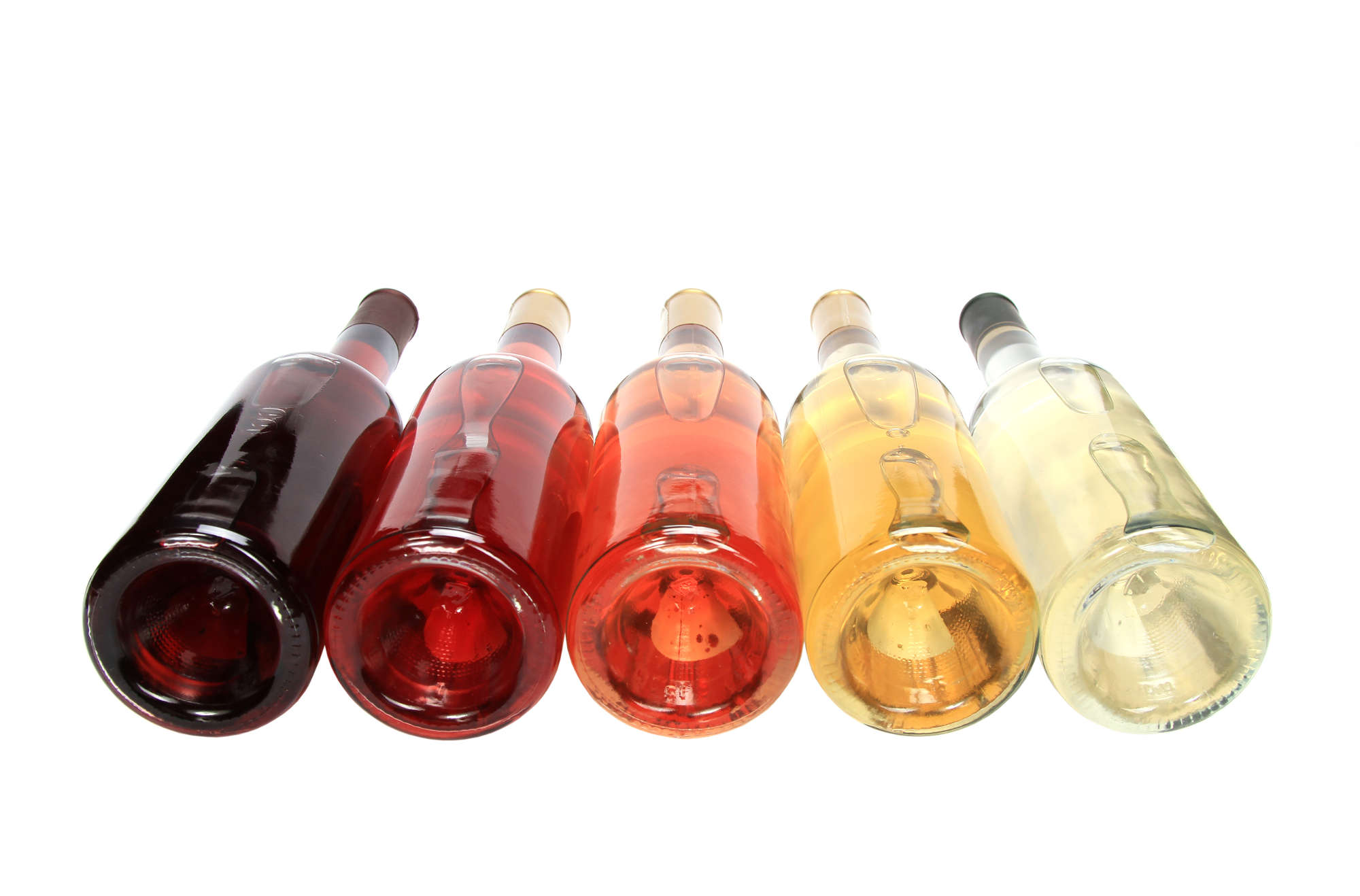
Colour — informative beyond aesthetics. Red wines fade from deep purple-red when young toward garnet, ruby, then brick-orange at the rim as they age. White wines deepen from pale straw toward gold then amber with age and oxidation. The colour of a wine can indicate its age, grape variety (Pinot Noir is pale; Malbec is deep), and sometimes winemaking (extended maceration produces deeper colour).
Clarity — whether the wine is clear or hazy. Most wines are clear; haziness can indicate a fault (except in natural or unfiltered wines where it is intentional and harmless).
Legs (Tears) — the rivulets that run slowly down the inside of the glass after swirling. Thicker, slower-moving legs indicate higher alcohol content or glycerol. Despite what you may have heard, legs are not an indicator of quality — they indicate alcohol level and nothing else. Jancis Robinson has written that legs are one of the most misunderstood phenomena in wine evaluation.
Sediment — natural deposits in older red wines, formed from tannins and pigments that polymerise over time. Not a fault — it indicates the wine has not been heavily filtered. Older bottles should be stood upright for 24 hours before opening, then decanted carefully to leave the sediment behind.
Wine Faults: The Must-Know Terms
These are terms you need to recognise because they describe a wine that has gone wrong — and knowing them lets you send a faulty bottle back with confidence.
Corked (Cork Taint) — the most common wine fault. Caused by TCA (trichloroanisole), a chemical compound that can form in natural cork. A corked wine smells of damp cardboard, musty basement, or wet dog. The fruit is suppressed and the wine tastes flat and muted. It has nothing to do with cork particles in the wine. If a wine is corked, return it without hesitation — the restaurant or retailer will replace it. Prevalence has fallen significantly since the widespread adoption of screwcaps and synthetic corks.
Oxidised — a wine that has been exposed to too much oxygen, causing it to go stale. White wines turn deep gold or brown and smell of sherry, nuts, or Madeira. Red wines lose their fruit and taste flat and vinegary. A different thing from intentional oxidation (as in Sherry, Vin Jaune, or Madeira). If a still white wine smells like sherry when it shouldn’t, it’s oxidised.
Reduction — the opposite of oxidation: too little oxygen, causing the wine to smell of struck match, burnt rubber, or rotten eggs (hydrogen sulphide). Often a fault in natural winemaking. Can be treated by decanting and swirling vigorously, which exposes the wine to oxygen and allows the compounds to dissipate. Sometimes resolves itself; sometimes doesn’t.
Volatile Acidity (VA) — an excess of acetic acid, giving the wine a sharp vinegar or nail-polish remover smell. A small amount of VA is present in all wines and can add complexity; at high levels it becomes a fault. A wine that smells strongly of vinegar has high VA.
Brett (Brettanomyces) — a type of wild yeast that can create barnyard, leather, sweat, or band-aid aromas in wine. At low levels, brett is considered a positive complexity-adding character in some Old World styles (Burgundy, Barolo, Rioja). At high levels it becomes an unpleasant fault that overwhelms the fruit. Whether brett is a fault or a feature is one of wine’s great debates.
Essential Winemaking Vocabulary
These terms appear on labels, in reviews, and in conversations, and understanding them helps you know what you’re actually buying.
Terroir — the complete natural environment of a vineyard (soil, climate, topography, aspect) and its influence on the wine. The philosophical foundation of European wine classification. See our full guide to terroir for a complete explanation.
Vintage — the year the grapes were harvested. Different vintages from the same producer can taste very different because of annual variation in weather. Knowing a few key vintage years for the regions you follow is genuinely useful.
Fermentation — the process by which yeast converts grape sugar into alcohol and carbon dioxide. Without fermentation there is no wine. The duration, temperature, and yeast strain all affect the final wine.
Malolactic fermentation (MLF) — a secondary bacterial fermentation (not alcoholic) that converts sharp malic acid into softer lactic acid, reducing a wine’s acidity and adding creamy, buttery texture. Almost universal in red wine; common in fuller-bodied whites like Chardonnay; avoided in wines where bright acidity is the goal (Chablis, Riesling, Sauvignon Blanc).
Lees aging (sur lie) — aging the wine in contact with dead yeast cells (lees) left after fermentation. Adds complexity, creaminess, and bready, biscuit-like character. Muscadet sur lie is the classic example; it is also fundamental to Champagne’s toasty complexity.
Maceration — the soaking of grape skins in the fermenting juice to extract colour, tannin, and flavour compounds. Longer maceration produces darker, more tannic wines. Carbonic maceration (used in Beaujolais) is a whole-berry fermentation that produces light, fruity, low-tannin wines.
Appellation — a legally defined geographic area with rules governing which grapes can be grown and how the wine must be made. France’s AOC, Italy’s DOC/DOCG, Spain’s DO, and similar systems worldwide are all appellation systems. The appellation on the label is a guarantee of origin and production method.
Domaine / Château / Estate — a domaine (French, common in Burgundy) or estate means the producer grew the grapes themselves. A château (Bordeaux) implies the same but at a single property. A négociant buys grapes or finished wine from growers and blends or bottles it under their own label.
To put these terms into practice at your own tasting, see our guide to hosting a blind wine tasting at home, and our palate development guide for structured exercises that build the vocabulary into muscle memory.
Frequently Asked Questions
What does “dry” mean when describing wine?
Dry means the wine has no perceptible sweetness — the yeast has consumed nearly all the grape sugar during fermentation, leaving less than 10 grams of residual sugar per litre. Most red wines and many white wines are dry. Dry has nothing to do with tannin (which creates a drying sensation) or with fruit intensity. A wine can smell and taste intensely of ripe fruit and still be completely dry, because fruit aromas come from aroma compounds, not sugar. See our full explainer on what dry wine means.
What does “corked” mean?
A corked wine has been tainted by TCA (trichloroanisole), a chemical compound that can form in natural cork. It has nothing to do with cork fragments in the glass. A corked wine smells of damp cardboard, wet dog, or musty basement, and the fruit character is suppressed or stripped away. It is the most common wine fault. A corked bottle should be returned to the restaurant or retailer — they are obliged to replace it. Prevalence has fallen significantly with the use of screwcaps and synthetic closures, but it still affects an estimated 3–5% of natural-cork bottles.
What do wine legs mean?
Legs (or tears) are the rivulets of wine that run slowly down the inside of a glass after swirling. They form due to the interplay of alcohol evaporation and surface tension. Thicker, slower-moving legs indicate higher alcohol content. Despite a common misconception, legs are not an indicator of quality — they tell you about alcohol level and nothing else. A thin, watery Beaujolais has light legs; a high-alcohol Napa Cabernet has thick, slow legs. Neither is inherently better.
What is the difference between aroma and bouquet in wine?
Aroma refers to the primary smells that come directly from the grape variety — the fresh fruit, floral, and herbal notes that are most prominent in young wine. Bouquet refers to the more complex, developed smells that arise from fermentation and aging — earthy, leathery, mushroom, tobacco, and dried fruit notes that develop over time in oak and bottle. In practice, most tasters use “nose” as the general term for everything you smell, and “aroma” and “bouquet” are often used interchangeably outside formal tasting contexts.
What does “tannin” taste like?
Tannins create a drying, astringent, slightly puckering sensation in the mouth — the feeling that the insides of your cheeks are being dried out or that your gums are being gripped. It is the same sensation you get from very strong black tea or an unripe apple, both of which are high in tannins. In wine, tannin is felt rather than tasted; it is a tactile sensation rather than a flavour. Well-managed tannins feel silky, velvety or firm; poorly managed tannins feel harsh, bitter, or drying. Tannins soften considerably with bottle age, which is why young Barolo can be intense and unpleasant while the same wine at 15 years feels smooth and integrated.
What does “body” mean in wine?
Body describes the weight and fullness of a wine in your mouth — how heavy or light it feels. The simplest comparison: skimmed milk feels light-bodied, whole milk feels medium-bodied, and cream feels full-bodied. In wine, body is primarily determined by alcohol content (higher alcohol = fuller body), but also influenced by tannin, sugar, and extract. Light-bodied wines include Pinot Noir, Beaujolais, and Muscadet. Medium-bodied wines include Merlot, Chianti, and un-oaked Chardonnay. Full-bodied wines include Barolo, Napa Cabernet Sauvignon, and oaked Chardonnay. Body is one of the first things to identify when tasting and helps enormously with food pairing.