
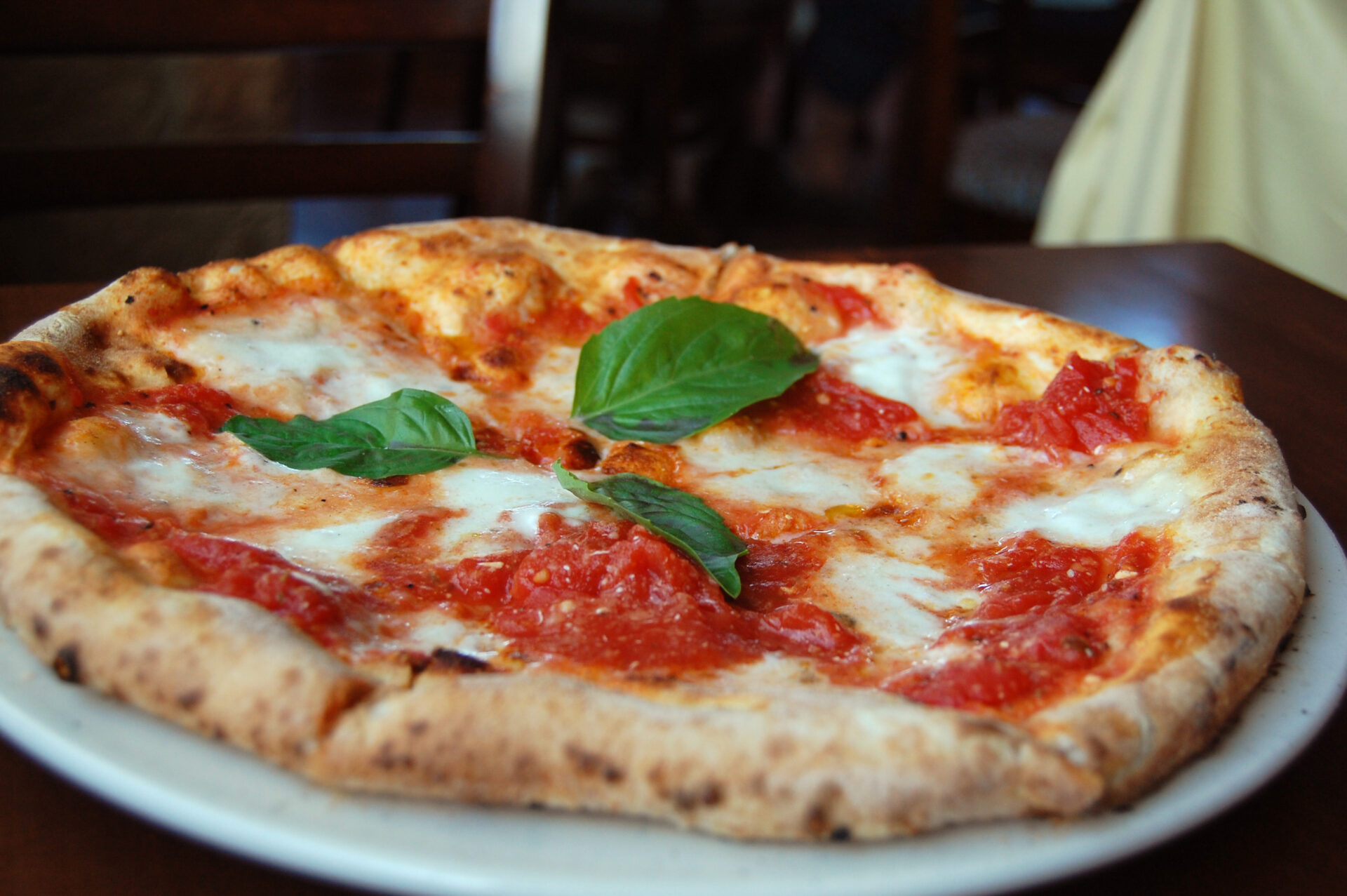
Pizza and wine belong together in the same way pizza and Italy belong together — historically, naturally, and for reasons that go beyond taste into something closer to culinary logic. The question is not really whether wine goes with pizza, but which wine goes with which pizza. The answer changes completely depending on whether you’re eating a simple Margherita, a loaded pepperoni, a garlic-and-mozzarella bianca, or a mushroom-and-truffle white. This guide covers the best wine for pizza by topping and style, from the classic Italian matches to a few less obvious suggestions that work surprisingly well.
In this article
- 1 The Core Principle: Acidity Is the Bridge
- 2 Margherita and Classic Tomato Pizzas
- 3 Pepperoni and Spicy Meat Pizzas
- 4 White Pizza (Pizza Bianca)
- 5 Four Cheese (Quattro Formaggi)
- 6 Prosciutto, Parma Ham, and Charcuterie Pizzas
- 7 Vegetarian and Mushroom Pizzas
- 8 BBQ Chicken and Sweet Sauce Pizzas
- 9 Hawaiian Pizza (Ham and Pineapple)
- 10 One Bottle for Any Pizza: The Versatile Options
- 11 A Few Practical Tips
- 12 Frequently Asked Questions
The Core Principle: Acidity Is the Bridge
Pizza is built around two highly acidic ingredients: tomato sauce and often aged cheese (mozzarella is mild, but grana padano, parmesan, or pecorino add salt and tang). The single most important principle in pairing wine with pizza is to match the acidity. A wine with high acidity cuts through the richness of the cheese, mirrors the acidity of the tomato, and refreshes the palate between slices. A low-acid wine next to a tomato-heavy pizza will taste flat, heavy, and slightly dull.
This is why Italian wines — which tend to have naturally high acidity — pair so consistently well with pizza. The wines and the food evolved together in the same culinary culture. When you eat a Margherita pizza in Naples with a glass of light Sangiovese-based wine, you’re experiencing a combination that has been refined over centuries.
The secondary principle: match intensity. A delicate, subtle wine will be overwhelmed by a heavily topped, spiced pizza. A powerful, tannic red will overwhelm a simple, light pizza. The wine and the pizza should be playing at roughly the same volume.
Margherita and Classic Tomato Pizzas
The Margherita is the benchmark. Tomato, mozzarella, basil. The flavours are bright, fresh, and relatively delicate — which means the wine should be too. You need acidity without aggression, fruit without weight, nothing that will muscle the pizza off the plate.
The best match: Chianti or a light Sangiovese. Chianti’s high acidity, sour cherry fruit, and herbal notes mirror the tomato sauce and basil precisely. It is the textbook Italian regional pairing — the wine and the food grew up in the same landscape and understand each other. A basic Chianti or Chianti Classico at £12–20 is the go-to recommendation from almost every sommelier who has been asked this question.
Other excellent options:
- Barbera d’Asti — high natural acidity, low tannin, vivid cherry fruit. Exceptionally food-friendly and handles the tomato beautifully without any grip that might interfere.
- Dry rosé — a Provençal rosé or Italian rosé is an excellent choice for Margherita, particularly in summer. The freshness and fruit mirror the pizza’s simplicity.
- Gamay / Beaujolais — light, juicy, low tannin, high acidity. The Cru Beaujolais — Fleurie or Morgan — elevates the combination considerably. Serve slightly chilled.
- Vermentino (for a white wine option) — a crisp Italian white with herbal notes and enough body to handle the tomato. Sardinian Vermentino in particular has the right acid-fruit balance.
What to avoid: heavy, very tannic reds (the tannins will fight the tomato acidity and create a metallic clash), anything over-oaked (the oak will dominate the delicate mozzarella), and sweet wines (the tomato’s acidity will make a semi-sweet wine taste very strange).
Pepperoni and Spicy Meat Pizzas
Pepperoni is a stronger proposition: cured, spiced, fatty, and assertive. Its heat and saltiness spread through the cheese with every slice. The pizza’s overall flavour profile shifts from delicate to bold, and the wine needs to match.
The best match: Sangiovese with a bit more body — Chianti Classico, Rosso di Toscana, or Montepulciano d’Abruzzo. The grape’s acidity handles the tomato; its fruit stands up to the spice; and the tannins are firm but not brutal — important because very high tannin will amplify the spice of the pepperoni, making both more aggressive. Montepulciano d’Abruzzo is the hidden gem here: dark cherry fruit, medium tannin, good acidity, typically excellent value under £15.
Other good options:
- Nero d’Avola from Sicily — dark fruit, medium tannin, savoury notes that complement cured meat. One of the best-value Italian reds available.
- Grenache-based blends — a Grenache-Syrah (GSM) blend has the fruit intensity and pepper note to echo the pepperoni without overwhelming it. Southern Rhône or Spanish Garnacha both work.
- Zinfandel (California) — its jammy fruit and natural spiciness pair well with spicy, smoky pepperoni. Avoid very high-alcohol versions that can amplify the heat.
Sausage pizza follows similar logic but with more earthy, fennel-driven character. A Syrah or Shiraz with its peppery, smoked-meat character matches sausage particularly well — the pairing has a flavour echo that makes both taste more interesting.
White Pizza (Pizza Bianca)
White pizza removes tomato from the equation entirely. Without that high-acid, intensely flavoured sauce, the pairing rules shift significantly. The dominant flavours now come from the cheese (often ricotta, mozzarella, fontina, or a mix), the olive oil, the garlic, and whatever herbs or toppings are added. The acidity challenge is different: you’re looking for a wine that cuts through richness rather than mirrors acidity.
For white pizza: white wine is often the better call.
- Oaked Chardonnay — the creamy texture and butter notes of a white Burgundy or lightly oaked Italian Chardonnay echo the richness of the cheeses beautifully. Malolactic fermentation in Chardonnay creates a creamy texture that finds a natural partner in ricotta or mozzarella.
- Verdicchio or Fiano — Italian whites with body and nutty, slightly savoury character. Both have enough presence to stand alongside olive oil and garlic without being overwhelmed.
- Vermentino or Falanghina — fresher options that work well when the bianca is lighter — simple mozzarella and olive oil with fresh herbs.
- Sparkling wine — an excellent option often overlooked. Prosecco or Crémant cut through the cheese’s richness with their bubbles and acidity, and the yeasty quality of traditional-method sparkling complements freshly baked pizza dough particularly well.
For white pizza with mushrooms or truffle: this is one of the rare pizza styles where Pinot Noir excels. The grape’s earthiness, dried rose, and forest floor character echoes truffle and porcini with remarkable precision. A village Burgundy or a good Oregon Pinot Noir with mushroom white pizza is one of the most satisfying and slightly unexpected pairings on this list.
Four Cheese (Quattro Formaggi)
Four cheese is rich, unctuous, and often salty from aged cheeses like gorgonzola or parmesan. The fat content is high. You need a wine with enough presence to cut through all that dairy, but also one that can handle the salt and intensity without clashing.
- Barbera d’Asti — again. Its very high acidity is perfectly calibrated to cut through cheese fat. An underrated quattro formaggi companion.
- Lambrusco — the sparkling red from Emilia-Romagna is a classic match for cheese-heavy pizza. Its light tannins, acidity, and gentle effervescence handle the richness without adding weight. Go for a dry (secco) Lambrusco, not the sweet version.
- Valpolicella — fruit-forward, supple, medium-bodied. The corvina grape’s cherry notes and mild tannins work beautifully alongside a cheese-heavy pizza.
- Rosé sparkling — a fruit-driven rosé with bubbles handles the richness and adds freshness. Rosé Champagne or a good Italian rosé spumante are excellent luxury versions of this pairing.
Prosciutto, Parma Ham, and Charcuterie Pizzas
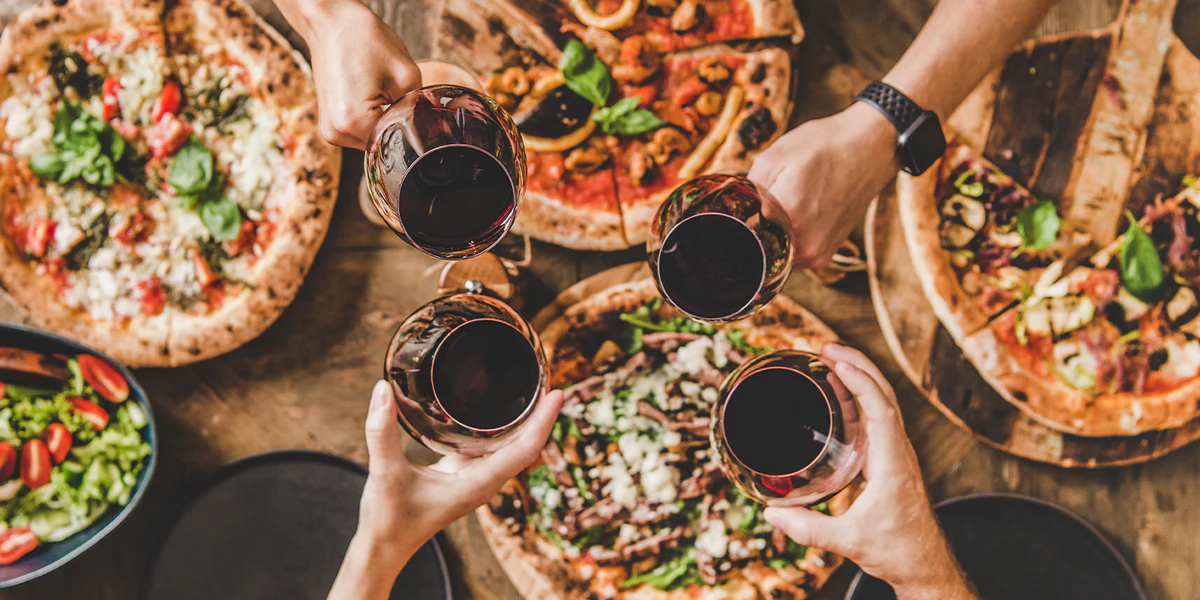
Prosciutto and Parma ham bring a different dimension to pizza: salty, sweet, delicate, and silky. When added after baking (as they should be — never cooked prosciutto), the meat’s sweetness and the mozzarella’s creaminess create a combination that needs a wine with both acidity and some fruit delicacy.
- Pinot Grigio (Italian, not Californian) — the lean, crisp, mineral style of Italian Pinot Grigio from Friuli or Alto Adige handles prosciutto beautifully. The wine’s freshness is a counterpoint to the fat of the ham.
- Light Sangiovese or Frappato — Frappato from Sicily is one of the wine world’s hidden gems and an excellent prosciutto pizza match: light-bodied, fragrant, cherry-fruited, with just enough structure.
- Franciacorta or Trento DOC (Italian traditional-method sparkling) — the yeasty, fine-bubble character complements both the ham and the freshly baked dough. A step up from Prosecco in complexity and an exceptional pairing.
Vegetarian and Mushroom Pizzas
Vegetable pizzas are among the most versatile for wine pairing — the toppings span a wide flavour spectrum, from the sweetness of caramelised peppers and onions to the earthiness of mushrooms and courgette to the bitterness of olives. The approach depends on which vegetable dominates.
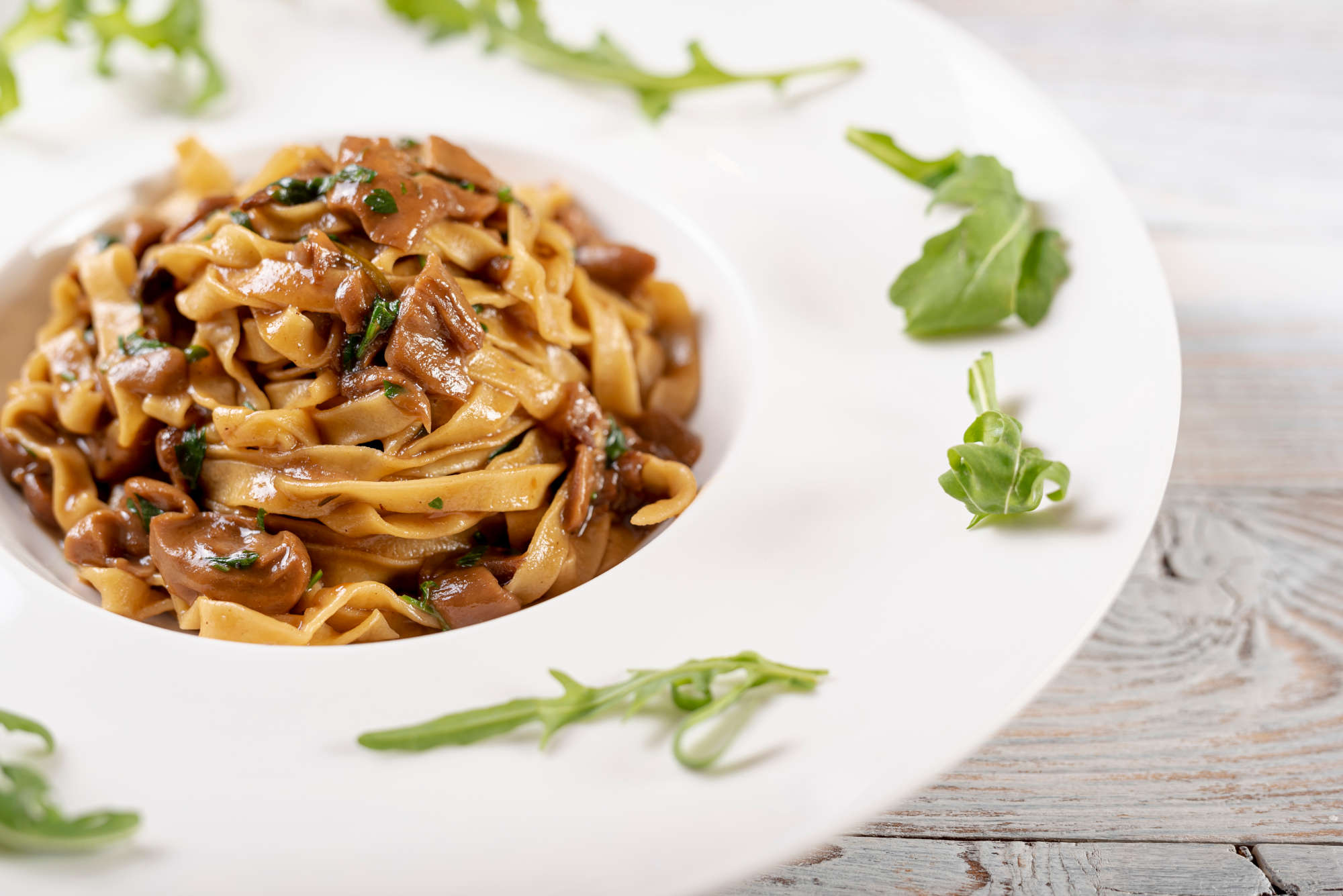
- Mushroom-heavy pizza: Pinot Noir (Burgundy or Oregon) or Barbera. The earthiness and umami of mushrooms — particularly porcini — resonate beautifully with Pinot Noir’s earthy, forest-floor notes.
- Roasted pepper and aubergine pizza: Grenache, Montepulciano d’Abruzzo, or a southern Italian red. The sweetness of roasted vegetables pairs well with fruit-forward, medium-bodied reds.
- Artichoke pizza: One of the notoriously difficult pairings in Italian food (artichoke makes many wines taste metallic). Best approached with Vermentino, Falanghina, or light rosé. Avoid structured reds.
- Rocket and parmesan pizza (often served cold): Sauvignon Blanc. The grassy, herbal, mineral character of the wine echoes the peppery rocket beautifully.
- Pesto pizza: Vermentino or Arneis. The herbal, olive-oil-rich character of pesto needs a white with herbal notes and good acidity — both Italian whites deliver that.
BBQ Chicken and Sweet Sauce Pizzas
BBQ pizza is a different category altogether: the sweet, smoky, tangy sauce is the dominant flavour, not the tomato or the cheese. This calls for a different approach — specifically, a wine that is fruit-forward enough to keep up with the sweetness without clashing.
- Malbec — the smoky, dark fruit and mocha notes of Argentinian Malbec are a natural partner for BBQ sauce. The wine’s soft tannins and generous fruit echo the smokiness without fighting the sweetness.
- Zinfandel — California Zinfandel’s jammy, fruit-forward character and natural spice are well suited to BBQ pizza. Its slight sweetness (in many examples) also bridges the sauce’s sugar.
- Off-dry Riesling — if you prefer white, a German Riesling Spätlese or an Alsatian Riesling Vendange Tardive handles the sweet-savoury balance beautifully. The slight sweetness and high acidity are exactly what BBQ sauce needs.
Hawaiian Pizza (Ham and Pineapple)
No article on pizza and wine would be complete without addressing the divisive Hawaiian. The challenge is the pineapple: its sweetness and high acidity create an unusual flavour environment that requires specific handling.
- Off-dry Riesling — the classic recommendation, and a genuinely good one. The slight sweetness in the wine bridges the pineapple; the high acidity keeps everything lively; the fruit character complements the ham. A German Riesling Kabinett or an Alsatian Riesling is ideal.
- Pinot Grigio (Alsatian Pinot Gris, not Italian) — slightly rounder and more aromatic than Italian Pinot Grigio, with enough body to handle the sweet-savoury combination.
- Dry rosé — a fruit-forward Provençal rosé can bridge sweet and savoury better than you might expect. The fruit character of the wine handles the pineapple; the dryness handles the ham.
One Bottle for Any Pizza: The Versatile Options
Sometimes you’re opening one bottle for a table with mixed pizza orders, or you simply want a recommendation that works across the board without overthinking it. These are the wines that handle the widest range of pizza styles with the most consistent success.
- Barbera d’Asti — the all-around winner. Very high natural acidity, low tannin, vivid fruit. Works with tomato pizza, cheese pizza, meat pizza, and vegetable pizza. Around £12–20. Rarely fails.
- Montepulciano d’Abruzzo — dark fruit, medium tannin, high acidity. Handles most toppings confidently and offers exceptional value at £10–16.
- Dry rosé (Provençal or Italian) — one of wine’s great all-rounders, and particularly good with mixed pizza. Its freshness, fruit, and moderate body sit comfortably alongside virtually any combination of toppings.
- Lambrusco Secco — the dry sparkling red from Emilia-Romagna that was literally designed to drink alongside pizza. Light, bubbly, acidic, fun. Often under £15.
A Few Practical Tips
- Chill your red wine slightly. Pizza is casual, informal, and often eaten at room temperature or warm. A red served at 16–17°C rather than the usual room temperature of 20°C+ will feel fresher and more refreshing alongside the pizza. Pop the bottle in the fridge for 20 minutes before opening.
- Don’t overcomplicate it. Great wine and pizza pairings are not about finding a perfect technical match — they’re about an enjoyable combination. If you love Pinot Noir and you’re eating pepperoni pizza, drink the Pinot Noir. It will be good. The best wine for pizza is always the one you’re excited to drink.
- Italian wines are almost always a safe bet. The regional pairing principle — what grows together goes together — is reliable and forgiving with Italian food. If in doubt, go Italian: Barbera, Sangiovese, Vermentino, Nero d’Avola, or Lambrusco.
- Avoid very high tannin or very oaky wines. Both fight with tomato acidity in ways that make the meal less enjoyable. Young Barolo, heavily oaked Chardonnay, and big New World Cabernet are all better served with different foods.
For the broader principles behind these pairing recommendations, our food and wine pairing guide explains the acidity, intensity, and complementary/contrast principles that inform all of these choices. And if you want to test your pizza and wine instincts, a blind tasting at home built around different pizza styles and the wines recommended here is an excellent — and genuinely fun — evening.
Frequently Asked Questions
What is the best wine for pizza?
The best all-around wine for pizza is Barbera d’Asti, an Italian red with very high acidity, low tannin, and vivid cherry fruit that pairs well with almost every pizza style. Chianti is the classic recommendation specifically for tomato-based pizzas like Margherita, where its Sangiovese acidity and herbal notes mirror the tomato sauce and basil. Dry rosé is the most versatile white-wine-adjacent option that works across almost any topping combination. The best choice ultimately depends on the pizza style: see the topping-by-topping guide above for specific recommendations.
Does red or white wine go better with pizza?
Red wine is generally better with tomato-based pizzas, because the high acidity in Italian reds like Sangiovese and Barbera matches and complements the tomato sauce. White wine or sparkling wine is often better for white pizzas (pizza bianca) without tomato sauce, where the focus is on cheese and olive oil richness. Rosé sits comfortably in the middle and works well with either. The topping matters more than a blanket red-or-white rule.
What wine goes with pepperoni pizza?
The best wine with pepperoni pizza is a medium-bodied Italian red with good acidity and enough fruit to stand up to the spice: Chianti Classico, Montepulciano d’Abruzzo, or Nero d’Avola from Sicily are all excellent. A Grenache-Syrah blend also works well. Avoid wines with very high tannin, as they amplify the heat of the spiced pepperoni. Sangiovese-based wines are the most consistently recommended by sommeliers because they share the same Italian cultural and flavour profile as the pizza itself.
What wine goes with white pizza?
White pizza (pizza bianca) without tomato sauce pairs best with white wines: a lightly oaked Chardonnay, Verdicchio, Fiano, Vermentino, or Italian sparkling wine (Prosecco or Franciacorta). The wine needs to cut through the richness of the cheeses and complement the olive oil and garlic. For white pizza with mushrooms or truffle, Pinot Noir is an outstanding exception to the white wine rule — its earthy, forest floor character echoes the mushroom and truffle flavours with remarkable precision.
Can you drink Champagne or Prosecco with pizza?
Absolutely, and it’s an underrated combination. Sparkling wine’s acidity and effervescence cut through cheese richness beautifully, and the yeasty, bready quality of traditional-method sparkling wines complements the flavour of freshly baked pizza dough. Prosecco works particularly well with lighter pizzas like Margherita or prosciutto. Champagne — especially blanc de blancs — is exceptional with white pizza or truffle pizza. Lambrusco Secco (sparkling red) is the most authentically Italian choice and arguably the most food-friendly option of all.
Why do Italian wines pair so well with pizza?
Italian wines pair well with pizza because of the “what grows together goes together” principle — the wines and the food evolved alongside each other in Italian culinary culture, creating natural complementary relationships. More specifically, Italian red wines tend to have high natural acidity that mirrors and complements the acidity of tomato sauce, while their fruit character and medium body match the casual intensity of pizza without overwhelming it. The same grape (Sangiovese) that makes Chianti also grows in the regions where classic Neapolitan and Roman pizza traditions were developed.