
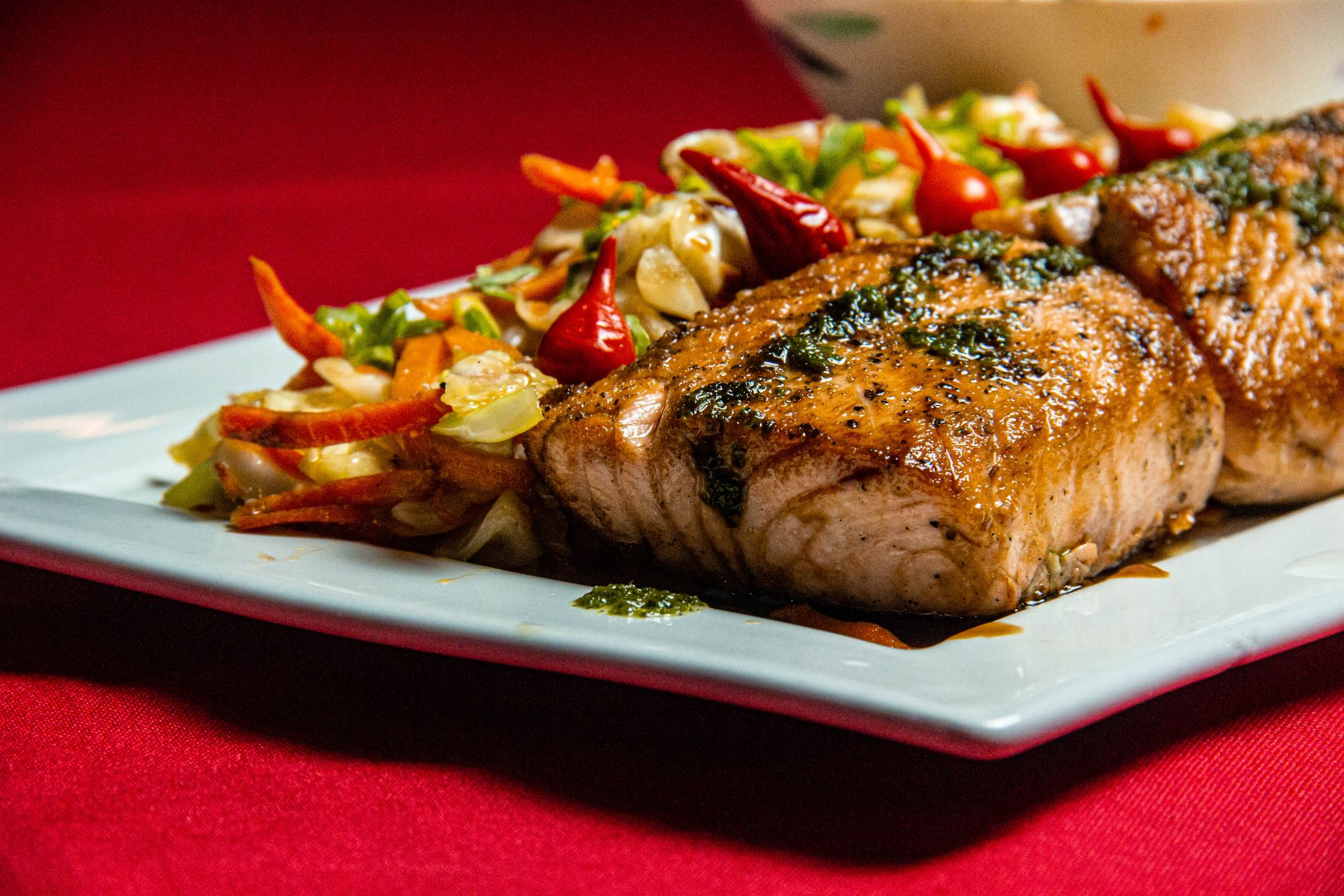
Wine with salmon is one of the great pairing questions in food and wine — not because salmon is difficult, but because it is so versatile. A simple steamed fillet calls for something completely different to a teriyaki-glazed salmon steak or a gravadlax cured in dill and citrus. The cooking method, the sauce, the accompaniments, and even the richness of the particular fish all shape which wine works. The good news: salmon is forgiving. More wines work with salmon than with almost any other main course, and the choice is rarely wrong enough to spoil the meal.
This guide covers the best wine pairings for salmon across every cooking style and sauce, from a simple pan-seared fillet to smoked salmon, sushi, and everything in between.
In this article
- 1 Why Salmon Is a Uniquely Flexible Pairing Partner
- 2 White Wine with Salmon: The Classic Choices
- 3 Rosé with Salmon: Underrated and Excellent
- 4 Red Wine with Salmon: When It Works
- 5 Sparkling Wine with Salmon
- 6 Wine for Salmon by Cooking Method
- 7 Practical Tips for Serving Wine with Salmon
- 8 Frequently Asked Questions
Why Salmon Is a Uniquely Flexible Pairing Partner
Most white fish — cod, sea bass, sole, haddock — are delicate and lean, which means they almost always call for light white wine. Salmon is different. Its high fat content gives it a richness that can support wines with more body and even, in some preparations, light red wine. The famous rule that fish always needs white wine was never entirely true, and salmon is the most obvious example of why.
The core variables that determine which wine to choose:
- Richness of the fish itself — farmed salmon is typically fattier than wild salmon. Fattier fish needs more acidity in the wine to cut through it.
- Cooking method — raw (sashimi, tartare) needs the most delicate wine. Steamed or poached is similar. Pan-seared or grilled adds flavour that can support more robust wines. Smoked salmon is the richest and most assertive preparation, and needs a wine with enough character to match.
- The sauce — this is often the most important variable. A buttery cream sauce changes the pairing direction completely from a citrus-herb preparation or a teriyaki glaze.
White Wine with Salmon: The Classic Choices
Chardonnay: The Textbook Match
Chardonnay and salmon is one of the food-and-wine world’s most reliable partnerships. The logic is simple: Chardonnay’s body, fruit weight, and (in oaked versions) creamy texture mirror salmon’s own richness, while the grape’s acidity lifts and refreshes between bites. The match is almost always harmonious regardless of how the salmon is cooked.
The style of Chardonnay to choose depends on the preparation:
- Lightly oaked or unoaked Chardonnay (Chablis, white Burgundy, or Macon) — for poached, steamed, or simply prepared salmon where you want the fish’s natural flavour to lead. Chablis in particular, with its citrus and mineral character, is excellent with steamed salmon and a light lemon-butter sauce.
- Lightly oaked Chardonnay (Burgundy village level, New Zealand, or cool-climate Australian) — for pan-seared salmon with herbs, the most versatile all-round option. The wine has enough body to handle the richness without oak dominating the fish.
- Fuller-bodied oaked Chardonnay (Meursault, oaked California or Australian) — for salmon with cream sauce or hollandaise. The wine’s buttery, creamy texture echoes the sauce; the acidity keeps everything balanced. One of white wine’s great classic pairings.
Pinot Gris and Pinot Grigio
Pinot Gris in its Alsatian form — full-bodied, slightly aromatic, with stone fruit and ginger notes — is one of the most consistently underrated salmon pairings. It has the body to handle salmon’s richness without the oakiness that some cooks find intrusive, and its slight spice character echoes herb-crusted or ginger-glazed preparations particularly well.
Italian Pinot Grigio, by contrast, is lighter and crisper — better suited to steamed or raw salmon preparations where you want freshness and delicacy rather than weight and aromatics.
Viognier
Viognier is a surprisingly good salmon wine that many people overlook. Its floral, stone-fruit aromatics (apricot, peach, violet) and rich texture make it well-matched to salmon preparations with aromatic seasonings — dill, fennel, saffron. An off-dry or lightly aromatic Viognier with a dill-cream salmon is one of the more interesting discoveries in white wine and fish pairing.
Look for Rhône Valley Viognier (Condrieu, if budget allows, or a basic Pays d’Oc Viognier for value) or Australian Viognier from the Eden Valley or Yalumba.
Sauvignon Blanc
Sauvignon Blanc is excellent with the lighter, fresher salmon preparations — ceviche, tartare, sashimi, or a simple fillet with lemon and capers. Its high acidity, citrus character, and herbal notes echo the herbs and lemon in the dish and cut cleanly through the fish’s fat. A Sancerre or Pouilly-Fumé with salmon tartare is a genuinely beautiful pairing.
Where it works less well: cream sauces, smoked salmon, or very rich preparations. The wine’s sharpness can clash with the richness of the dish rather than complementing it. For those heavier preparations, reach for Chardonnay instead.
Dry Riesling
Dry Riesling — German trocken, or Alsatian — is one of the most food-friendly white wines in existence, and salmon is one of its best matches. The grape’s electric acidity cuts through fat brilliantly, and its distinctive mineral, citrus, and white flower character creates a complementary rather than matching pairing — the wine brings something distinct that lifts the fish.
Particularly good with Asian-inspired salmon preparations — miso-glazed salmon, ginger and soy, teriyaki light — where the wine’s acid-mineral quality provides a clean contrast to the umami-rich sauce. A slightly off-dry Riesling (German Kabinett) handles these flavours even better, bridging the sweet and savoury elements of the dish. For a deeper look at what makes Riesling so versatile, our guide to dry vs off-dry wine explains the sweetness spectrum.
Rosé with Salmon: Underrated and Excellent
Dry rosé is one of the most overlooked salmon pairings and, once you try it, one of the most obvious. Salmon’s flesh is pink; rosé’s colour is pink. The visual harmony reflects a genuine flavour harmony: both have a similar richness and fruit character that creates a natural bridge.
A dry Provençal rosé — the classic style, pale pink, fresh, with red berry and herbal notes — is excellent with grilled salmon, salmon salads, or salmon on a summer terrace. Its light tannins add just enough structure to handle the fish’s fat, and its fruit freshness echoes herbs and lemon without competing with them.
A fuller-bodied rosé from Bandol in Provence, or a Spanish Garnacha rosé, can handle richer salmon preparations — pan-fried salmon with a herb crust, or salmon with a light red wine sauce. The extra body and slight phenolic grip means these wines stay in balance even as the dish gets more assertive.
Red Wine with Salmon: When It Works
Yes, red wine can work with salmon. Not all red wines, and not with all preparations, but the combination is far more workable than wine-pairing conventional wisdom often suggests. The key is to keep the red wine light, low in tannin, and slightly chilled — high tannin in a red creates a metallic, bitter reaction with the fish’s oils.
The best red wines with salmon:
- Pinot Noir — the most versatile red wine for fish, and particularly good with salmon. Light body, soft tannins, and red fruit character that echoes salmon’s own rich flavour without the metallic clash that tannic reds create. Serve at 14–16°C (slightly chilled). Best with: grilled or roasted salmon with mushroom sauce, salmon with a red wine reduction, or simply pan-seared salmon with minimal seasoning. An Oregon or New Zealand Pinot Noir is the easiest starting point.
- Gamay (Beaujolais) — the lightest and most flexible red option. Its almost zero tannin, high acidity, and vivid red fruit make it work surprisingly well with salmon, particularly served at 12–14°C. Best with grilled salmon in summer, or salmon with a light tomato-herb sauce.
- Light-bodied Grenache — Spanish Garnacha from Navarra or Calatayud can work well with more assertively seasoned salmon — spiced salmon, salmon with chorizo, or salmon tacos. The wine’s generous fruit and soft tannins handle the assertive flavours without overwhelming the fish.
What to avoid: Cabernet Sauvignon, Malbec, Syrah, Barolo — anything with high tannin will create an unpleasant metallic clash with salmon’s oils. Even Merlot can sometimes push into uncomfortable territory with salmon. Stay on the lighter, lower-tannin end of the red spectrum.
Sparkling Wine with Salmon
Sparkling wine — Champagne in particular — is an exceptional salmon pairing that often gets overlooked outside of formal occasions. The combination of acidity, effervescence, and autolytic complexity (toast, brioche, yeast) works beautifully against salmon’s richness.
- Champagne Blanc de Blancs — the most elegant pairing for smoked salmon. The wine’s fine bubbles, chalk minerality, and lemon-cream character are the perfect counterpoint to the salt and oiliness of good smoked salmon. If there is one genuinely irreplaceable wine-and-salmon combination, this is it.
- Brut Champagne or Cava — works across most salmon preparations where Chardonnay would also work. The bubbles add a textural lift and the yeasty notes complement the fish well.
- Prosecco — better suited to lighter salmon dishes (salmon salad, sashimi) than richer ones. The softer bubbles and fresh fruit character work best when the dish is delicate.
Wine for Salmon by Cooking Method
- Raw salmon (sashimi, tartare, ceviche) — Sauvignon Blanc (Sancerre, Marlborough), Champagne Blanc de Blancs, dry Rosé. Minimal oak. Maximum freshness and acidity.
- Poached or steamed salmon — Chablis, unoaked Chardonnay, Pinot Grigio. The delicacy of the preparation calls for the delicacy of the wine.
- Pan-seared or grilled salmon — Lightly oaked Chardonnay, Alsatian Pinot Gris, dry Provençal Rosé, Pinot Noir (slightly chilled). The char and caramelisation from the cooking can support more robust wines.
- Salmon with cream sauce or hollandaise — Meursault or another oaked white Burgundy, full-bodied oaked Chardonnay. The wine’s body and cream notes echo the sauce.
- Salmon with lemon, capers or herbs — Sauvignon Blanc, Vermentino, dry Rosé. The wine’s herbal character mirrors the seasonings.
- Miso-glazed or teriyaki salmon — Off-dry Riesling (Kabinett or Alsatian), Viognier, Gewurztraminer. The slight sweetness and aromatic intensity handle the umami glaze.
- Smoked salmon — Champagne Blanc de Blancs (the best option), dry Rosé Champagne, or a full-bodied dry Rosé. The smokiness and saltiness need a wine with enough acidity and character to stand up to it.
- Gravadlax (dill-cured salmon) — Scandinavian aquavit is the traditional pairing, but in wine terms: a dry, mineral Riesling, Grner Veltliner, or a Chablis. The wine’s acidity and herbal character complements the dill cure.
- Salmon in tomato-based sauce — Pinot Noir or Gamay. The light red wine handles both the tomato acidity and the salmon’s richness better than most whites.
Practical Tips for Serving Wine with Salmon
- Serve whites and rosés well chilled (8–10°C). Salmon’s richness can make a warm white wine feel heavy and slightly unpleasant. The chill refreshes the palate and keeps the pairing lively.
- Serve light reds slightly chilled too (14–16°C). Pinot Noir at room temperature can feel warm and slightly out of place against fish. A brief 15-minute refrigerator rest before serving makes a real difference.
- Acidity is the key structural element. Whether you choose white, rosé, or red, the wine needs genuine acidity to cut through salmon’s fat. Soft, low-acid wines feel heavy and slightly dulled against any rich fish.
- Avoid heavy oak with delicate preparations. A heavily oaked Chardonnay with simple steamed salmon will overwhelm the fish. Save the oaked styles for the cream sauce, the grilled preparations, and the smoked salmon.
For more on the principles that underpin all food and wine pairing — acidity matching, intensity matching, complementary versus contrasting flavours — our food and wine pairing guide covers the framework in depth.
Frequently Asked Questions
What wine goes best with salmon?
The best wine for salmon depends on the preparation. For most everyday salmon dishes (pan-seared, baked, grilled), a lightly oaked Chardonnay is the most consistently excellent choice — its body and acidity match salmon’s richness beautifully. For lighter preparations, Sauvignon Blanc or Chablis work well. For Asian-glazed or teriyaki salmon, dry or off-dry Riesling is excellent. For smoked salmon, Champagne Blanc de Blancs is the finest pairing in all of wine. Dry Provençal rosé is the most versatile all-rounder that works across virtually every salmon preparation.
Can you drink red wine with salmon?
Yes — but only with low-tannin reds served slightly chilled. Pinot Noir is the best red wine for salmon: its light body, soft tannins, and red fruit character complement salmon’s richness without creating the metallic clash that tannic reds produce with fish oils. Gamay (Beaujolais) also works well. Avoid high-tannin reds like Cabernet Sauvignon, Malbec, Syrah, or Barolo with salmon, as the tannin-fish oil reaction creates an unpleasant metallic or bitter flavour. The rule is: the lighter and lower-tannin the red, the better it works with salmon.
What wine goes with smoked salmon?
Champagne Blanc de Blancs (made entirely from Chardonnay) is the finest pairing for smoked salmon. The wine’s chalk minerality, fine bubbles, fine lemon-cream character, and high acidity are perfectly calibrated to cut through smoked salmon’s saltiness and oiliness. Dry rosé Champagne is the second-best option. If Champagne is not available, a dry Provençal rosé or a crisp, mineral white wine like Chablis or Sancerre works well. Avoid oaked whites or red wines with smoked salmon — the smokiness of the fish amplifies oak in an unpleasant way.
What wine goes with salmon and cream sauce?
Salmon with cream sauce pairs best with a rich, lightly oaked Chardonnay. Meursault (white Burgundy) is the classic recommendation: its creamy texture, hazelnut notes, and generous body mirror the sauce while the acidity keeps the pairing from feeling heavy. A good village Meursault or a quality oaked Chardonnay from Australia, Burgundy, or California all work well. Viognier is an interesting alternative, particularly if the cream sauce includes aromatic herbs like tarragon. Avoid very crisp, unoaked whites like Sauvignon Blanc or Chablis, which can feel thin and sharp against a cream sauce.
Is Pinot Grigio good with salmon?
Yes, depending on the style. Italian Pinot Grigio — light, crisp, and neutral — works well with delicate salmon preparations: steamed salmon, salmon sashimi, or a simple fillet with lemon and olive oil. Alsatian Pinot Gris is a different proposition: fuller-bodied, slightly aromatic, with stone fruit and ginger notes that pair excellently with pan-seared or herb-crusted salmon. If choosing between the two for salmon, Alsatian Pinot Gris offers more interesting pairing options, particularly with moderately rich preparations.
Does rosé wine go well with salmon?
Rosé is one of the best and most versatile wine choices for salmon. A dry Provençal rosé works across almost every salmon preparation — grilled, pan-seared, in salads, with herbs — because its combination of freshness, light structure, and red fruit character naturally complements salmon’s rich pink flesh. The visual and flavour harmony is genuine. For richer preparations like smoked salmon or salmon with cream sauce, a fuller-bodied rosé or dry rosé Champagne is even better. Rosé is arguably the most reliable all-purpose wine recommendation for salmon if you don’t want to think too hard about matching styles exactly.