
Tempranillo is Spain’s great red grape — the third most planted red variety in the world, the foundation of Rioja and Ribera del Duero, and a key component of Port wines in Portugal. Yet it remains far less internationally recognised than Cabernet Sauvignon or Pinot Noir, partly because it is so often labelled by region (Rioja, Ribera del Duero) rather than by grape variety, and partly because the vast majority of its vineyards are on the Iberian Peninsula, limiting its global reach. Understanding Tempranillo — what it tastes like, how the region and ageing regime shape the style, and what to eat with it — opens up one of wine’s great under-explored categories.
In this article
What Tempranillo Tastes Like
Tempranillo produces medium to full-bodied red wines with a distinctive balance of fresh fruit and savoury, earthy complexity. It sits stylistically between the softness of Merlot and the structure of Cabernet Sauvignon — more savoury than the former, more approachable than the latter — with a characteristic rusticity that reflects its Spanish cultural context.
Primary Flavours
The primary fruit profile is built around red and dark fruit: cherry, plum, and strawberry in younger wines, shifting toward dried plum, fig, and blackberry with age and in warmer-climate examples (Ribera del Duero, Toro). A distinctive savoury note — often described as tomato leaf, sun-dried tomato, or dried herbs — appears alongside the fruit and gives the wine a characteristic earthiness that sets it apart from more obviously fruit-driven varieties like Malbec or Grenache.
Oak Influence
Oak plays a defining role in most quality Tempranillo, and the type of oak matters enormously. American oak, traditional in Rioja, contributes distinctive notes of vanilla, coconut, and dill — immediately recognisable aromas that define the classic Rioja style and that many wine drinkers associate instinctively with Spanish red wine. French oak, more common in Ribera del Duero and increasingly in modern Rioja producers, adds subtler notes of cedar, smoke, and baking spice without the pronounced sweet-wood character of American oak. The difference between a traditionally oaked Rioja Reserva and a modern, French-oak Ribera del Duero is considerable.
With Age
Aged Tempranillo — particularly Rioja Gran Reserva with ten or more years of bottle age — develops some of the most complex and rewarding tertiary aromas in Spanish wine: leather, tobacco, dried roses, cocoa, coffee, and earth. The tannins integrate and soften; the fruit moves from fresh to dried; and the whole wine acquires a depth and nuttiness that is difficult to find at the same price point from any other region in Europe. A great aged Rioja at £25–40 competes with wines from Burgundy and Bordeaux costing several times as much.
Structure
Tempranillo has medium-plus tannins, medium-minus to medium acidity, and alcohol typically in the 13–14.5% range. The tannins are firm but not harsh when the wine is well made; the relatively moderate acidity makes it approachable and food-friendly without the aggressive tartness of Sangiovese or Nebbiolo. Body ranges from medium (lighter, younger Joven style) to full (older Reserva and Gran Reserva, or Ribera del Duero). The name itself means “early” (from em temprano), reflecting that it ripens earlier than most Spanish varieties.
The Key Regions
Rioja: The Benchmark
Rioja in north-central Spain, protected by the Sierra Cantabria mountain range, is the world’s most important Tempranillo appellation and the region that defined the grape’s international reputation. It holds the highest designation in Spanish wine law — DOCa (Denominación de Origen Calificada) — one of only two such appellations in Spain. Rioja wines are typically blends in which Tempranillo dominates, with supporting roles played by Garnacha (adding body and ripe fruit), Graciano (acidity and floral notes), and Mazuelo/Carignan (colour and structure).
The region is divided into three sub-zones with distinct characters. Rioja Alta (the western, cooler zone) produces the most elegant, age-worthy wines. Rioja Alavesa (the northern bank of the Ebro, in the Basque Country) is known for lighter, more aromatic wines. Rioja Oriental (formerly Rioja Baja, the eastern, warmer zone) produces fuller, more alcoholic wines often used for blending.
Rioja’s traditional use of American oak — extended aging in large, well-used American oak casks — produces a distinctive vanilla-and-strawberry style that is one of wine’s most immediately recognisable flavour signatures. Modern producers increasingly use French oak and shorter aging periods to produce wines with more concentrated primary fruit and less obvious oak. Both traditions coexist.
Ribera del Duero: Power and Concentration
Ribera del Duero, running along the Duero River on the high Castilian plateau (750–1,000 metres altitude), is Spain’s second great Tempranillo appellation and in many ways Rioja’s stylistic opposite. Here, Tempranillo grows as the Tinto Fino clone, adapted to the extreme continental climate — scorching summer days and cold nights, with a very short growing season. The resulting wines are typically bolder, more structured, darker, and more concentrated than most Rioja: richer black fruit, firmer tannins, more pronounced graphite and mineral notes, and almost always aged in French oak rather than American.
The region has produced some of Spain’s most celebrated wines: Vega Sicilia’s Unico (one of Spain’s most prestigious and expensive reds, typically released with 10 or more years of age), Pingus, and Pesquera. The entry-level tier — a Ribera del Duero Crianza at £15–25 — delivers impressive concentration and structure for the price.
Toro: Old Vines, Maximum Concentration
Toro, upstream of Ribera del Duero along the Duero River, produces what are often Spain’s most powerful Tempranillo wines. Here, the grape is called Tinta de Toro, and it grows in ancient, ungrafted vineyards (phylloxera never reached many of these sandier soils) that produce tiny yields of intensely concentrated fruit. The wines are full-bodied, very dark, with grippy tannins and a slightly rough-hewn power that requires age to fully appreciate. More difficult to find outside of Spain, but worth exploring for those who like very structured reds.
Navarra, north of Rioja, produces lighter, more fruit-forward Tempranillo often blended with international varieties (Cabernet Sauvignon, Merlot). The wines are generally more approachable and less structured than Rioja Reserva, and offer excellent value. La Mancha (Spain’s largest wine region) produces everyday Tempranillo — fresh, fruity, unpretentious. Valdepeñas and Castilla-La Mancha produce similar styles. Together these regions form the bulk of everyday Spanish red wine.
Portugal: Tinta Roriz and Aragonez
In Portugal, Tempranillo is known as Tinta Roriz in the north (Douro Valley and Dão) and Aragonez in the south (Alentejo). It plays a crucial role in Port wine production — as one of the permitted varieties in the Douro’s complex blends, it contributes acidity, colour, and black cherry fruit. In dry table wines, it appears in multi-variety blends alongside indigenous Portuguese grapes rather than as a single varietal. The Douro’s extremely steep, schist terraces produce wines of concentrated power.
Reading the Label: Spanish Ageing Classifications
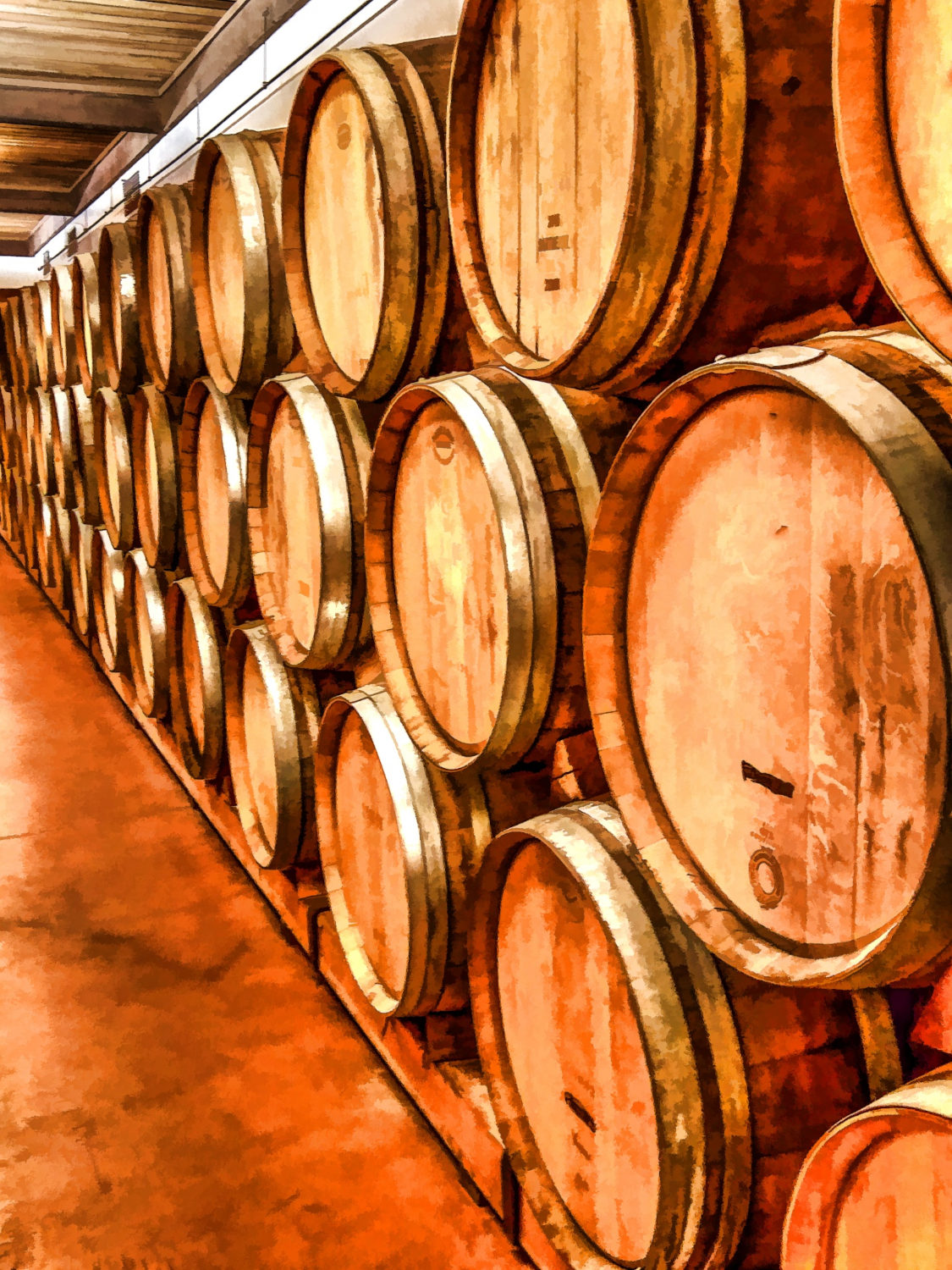
The most practically useful thing to know about Spanish Tempranillo is the ageing classification system. Unlike France, where ageing classifications are tied to geography (Grand Cru, Premier Cru), Spain’s system is tied to ageing time in oak and bottle. The same grape from the same producer can appear at four different quality and price tiers depending on how long it has been aged.
Joven (Young)
Little or no oak aging. Released shortly after fermentation. The purest, most fruit-forward expression of Tempranillo: bright red cherry, strawberry, and fresh herbs with no oak influence. Designed to be drunk immediately. The most affordable tier and the best introduction to what Tempranillo tastes like without wood. Usually £8–15.
Crianza
Minimum two years total ageing (in Rioja: at least one year in oak, one year in bottle). Fruit-forward but with noticeable oak influence: vanilla, cedar, and spice join the cherry and plum. The tannins begin to integrate. This is the most reliable everyday tier: enough complexity to be interesting, accessible enough to drink without planning. Usually £12–22. An excellent starting point for exploring the category.
Reserva
Minimum three years total ageing (Rioja: at least one year in oak, two years in bottle). Only produced in better vintages. More complex than Crianza: the fruit has evolved from fresh to slightly dried; the oak character is more integrated; leather, tobacco, and earthy notes begin to emerge. Firm but smooth tannins. Usually £20–40. This is where Tempranillo begins to show its ageing character and where the Spanish appellation system’s logic becomes clear — you are buying guaranteed, verified maturity.
Gran Reserva
Minimum five years total ageing (Rioja: at least two years in oak, three years in bottle). Only produced in exceptional vintages; some producers make it only once or twice a decade. Complex, developed, and capable of further bottle ageing. Dried fruit, leather, tobacco, earth, nutty oak, and sometimes truffle or dried roses. Soft, integrated tannins. The pinnacle of the traditional Rioja style. Usually £30–60+, but the quality-to-price ratio is often exceptional by any international standard.
Food Pairing
Tempranillo’s savoury quality and medium acidity make it one of the most food-versatile red wines available. The tomato-leaf earthiness in the grape echoes tomato-based sauces; the tannins handle red meat; and the wine’s balance of fruit and structure avoids the extremes that make very tannic or very low-acid wines more demanding at the table.
Meat Dishes
- Roast lamb — the great Spanish pairing. Lechazo (baby lamb) and Rioja Gran Reserva is one of Europe’s great regional food-and-wine combinations. The wine’s herbs and vanilla echo the rosemary and garlic; its structure handles the fat. Our wine with lamb guide covers this pairing in detail.
- Roast and grilled beef — ribeye, sirloin, T-bone. The tannins cut through the fat; the fruit and earthy notes echo the char. A Ribera del Duero Reserva is particularly good here.
- Suckling pig (cochinillo) — another traditional Spanish regional pairing. The wine’s acidity handles the fat; the fruit complements the pork’s sweetness.
- Cured meats — jamón ibérico, chorizo, fuet. The wine’s savoury, slightly earthy character echoes the cured meat’s own character. A classic Spanish appetiser combination.
- Game — venison, wild boar. Older Reserva or Gran Reserva with more earthy, complex development suits game’s intensity.
Other Pairings
- Tomato-based pasta and pizza — the tomato leaf note in Tempranillo creates a complementary echo with tomato sauce. A Joven or Crianza is ideal for this — lighter and more fruit-forward than a Reserva, which might overpower the dish.
- Paella — a Spanish regional pairing. The wine’s fruit and moderate tannins handle paella’s complexity without competing with the saffron and seafood elements.
- Hard Spanish cheeses — Manchego, Zamorano, Idiazábal. The fat and salt in aged sheep’s milk cheeses balance Tempranillo’s tannins and acidity beautifully.
- Mild curries and stews — the fruit-forward younger styles handle mild spice better than most structured reds. A Joven or Crianza with a mild lamb or chickpea stew is a reliable combination.
What to Buy: A Practical Guide by Price
- Under £15 — Rioja Joven or entry-level Crianza. Look for producers like CVNE (Vina Real), Muga Seleccion Especial, La Rioja Alta, or Bodegas Palacio. At this price, a Crianza delivers genuine complexity and approachability.
- £15–25 — Rioja Reserva or Ribera del Duero Crianza. The sweet spot for quality-to-price. A Rioja Reserva at £20 from a good producer consistently over-delivers relative to its price compared to equivalent-tier wines from Bordeaux or Burgundy.
- £25–50 — Rioja Gran Reserva or Ribera del Duero Reserva. Serious wines with real ageing potential. Worth buying two bottles — one to drink now, one to hold for five or more years.
- Over £50 — single-vineyard Rioja, Ribera del Duero Reserva from top producers (Vega Sicilia, Pingus, Alion). These compete with the best wines from any European region at their price point.
For a broader understanding of how Tempranillo compares structurally to other major red grapes, our wine varieties guide maps the full landscape. For specific food pairing principles that apply to structured reds like Tempranillo, our food and wine pairing guide covers the underlying logic.
Frequently Asked Questions
What does Tempranillo taste like?
Tempranillo tastes of cherry, plum, and strawberry with a distinctive savoury, earthy quality — often described as tomato leaf or dried herbs — that sets it apart from more obviously fruit-driven varieties. With oak ageing (which most quality Tempranillo receives), vanilla, cedar, and spice notes develop. With extended age, the wine evolves toward leather, tobacco, dried fruit, earth, and cocoa. It is medium to full bodied with firm but manageable tannins and moderate acidity, making it one of the most food-friendly red wines produced anywhere.
What is the difference between Rioja and Ribera del Duero?
Both regions make Tempranillo-based red wine, but the styles are quite different. Rioja wines are generally more elegant, fruit-forward, and immediately approachable, with a characteristic vanilla character from American oak ageing and a traditional style built over centuries. Ribera del Duero wines are typically bolder, darker, and more structured, with more concentrated fruit, firmer tannins, and a preference for French oak that adds subtler spice character. Ribera del Duero’s extreme continental climate (very hot days, very cold nights, high altitude) produces more concentrated grapes than Rioja’s more temperate conditions.
What do Crianza, Reserva and Gran Reserva mean on a Spanish wine label?
These are ageing classifications that indicate how long the wine has been matured in oak and bottle before release. Crianza: minimum two years total ageing (at least one in oak). Reserva: minimum three years total (at least one in oak), only in better vintages. Gran Reserva: minimum five years total (at least two in oak), only in exceptional vintages. As the ageing tier increases, the wine becomes more complex, more developed, and more expensive. Gran Reserva is the pinnacle of the traditional Spanish ageing system and often represents extraordinary value compared to equivalent-quality wines from other European regions.
Is Tempranillo similar to Cabernet Sauvignon?
They share some broad characteristics — both are medium to full bodied, both age well, both benefit from oak ageing — but they are quite different in style. Tempranillo has lower acidity than Cabernet Sauvignon, a more earthy and savoury flavour profile (tomato leaf, leather, dried herbs rather than pure blackcurrant and graphite), and is generally more approachable in youth. Cabernet is typically more tannic and structured when young, and requires more age or food to show at its best. Tempranillo is also primarily a Spanish grape; Cabernet Sauvignon is grown globally. A medium-bodied Tempranillo Crianza is closer in style to a Merlot or Sangiovese than to a Napa Cabernet.
What food goes with Tempranillo?
Tempranillo is one of the most food-versatile red wines available. The traditional Spanish pairings are roast lamb and suckling pig, both of which echo the wine’s earthy, herbal character. Grilled and roasted red meat (beef, veal) pairs excellently, particularly with Reserva or Gran Reserva levels. Tomato-based pasta and pizza suit the lighter Joven and Crianza styles. Cured Spanish meats (jamón, chorizo) are a natural match. Hard aged cheeses (Manchego, Zamorano) handle the tannins well. The wine’s savoury quality — the tomato leaf and dried herb notes — makes it unusually versatile with food across different cuisines.
Does Tempranillo age well?
Yes — well-made Tempranillo from Rioja and Ribera del Duero is among the most age-worthy red wine in the world. Great Rioja Gran Reserva can develop beautifully over 20–30 years, evolving from primary fruit and oak to a complex array of dried fruit, leather, tobacco, earth, and nut. Ribera del Duero’s top wines (Vega Sicilia’s Unico is typically released after 10 years of ageing) are equally long-lived. Even a Reserva from a good vintage benefits from 5–10 years of further cellaring. Joven and basic Crianza, however, are made for early drinking and rarely improve beyond three to five years from the vintage.