
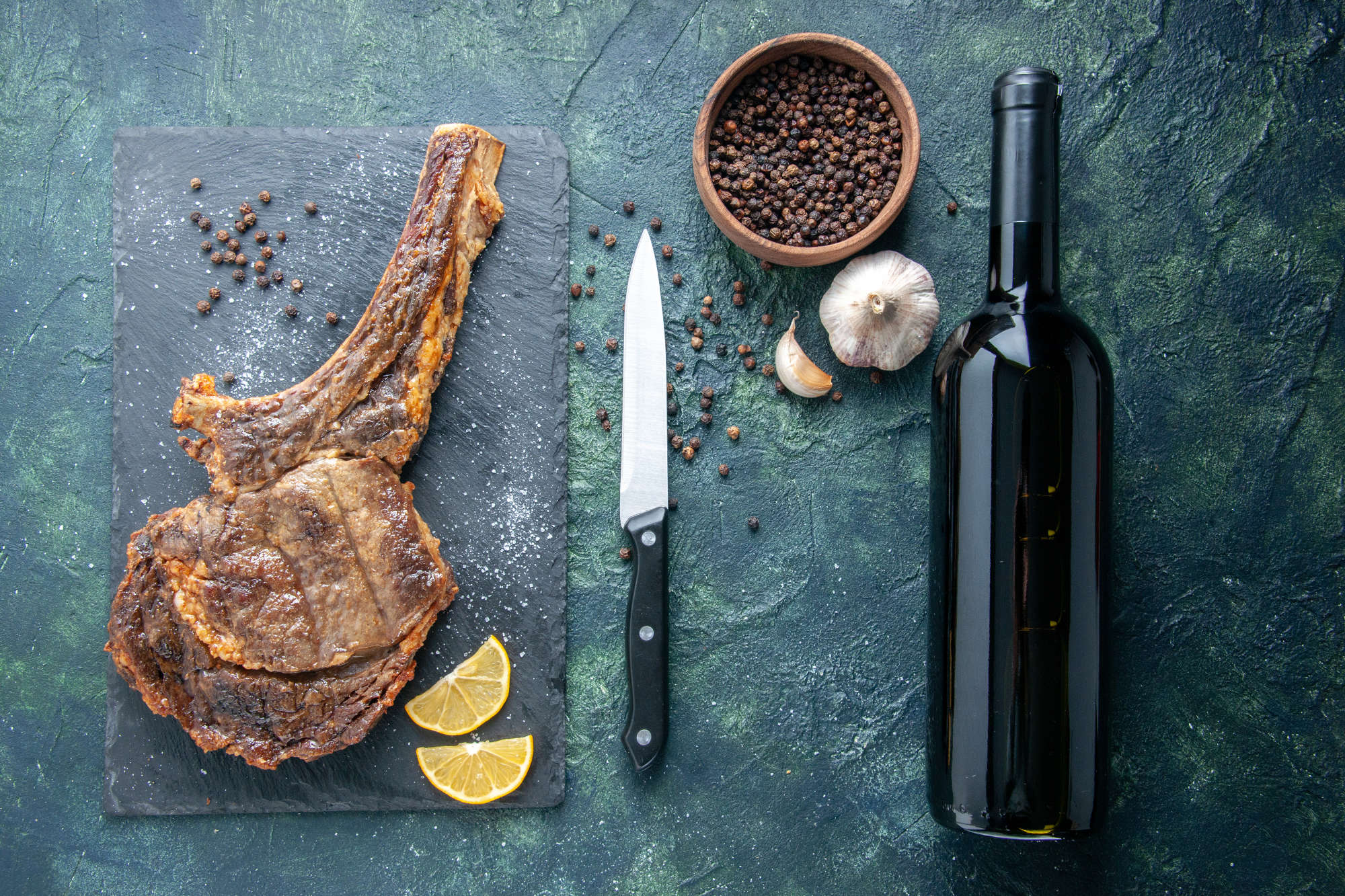
Lamb and red wine is one of the food and wine world’s oldest and most reliable partnerships. The pairing appears across the cooking cultures of France, Spain, Greece, Italy, and the Middle East — wherever lamb is eaten seriously, there is almost always a specific local wine tradition built around it. The challenge for a home cook is that “lamb” covers an enormous range of preparations: a delicate spring rack served pink is a completely different pairing proposition to a slow-braised shoulder with North African spices. Getting the match right depends on the cut, the cooking method, the herbs and seasonings, and — to a lesser extent — the personal preference of who is drinking.
This guide covers the best wine for every lamb dish, from a simple roast leg to a Moroccan tagine, explains why the pairing works so consistently well, and addresses the white wine and rosé options that often get overlooked.
In this article
- 1 Why Lamb and Red Wine Work So Well Together
- 2 Roast Leg of Lamb: The Bordeaux Classic
- 3 Rack of Lamb: Elegance Calls for Structure
- 4 Lamb Chops: Versatile and Forgiving
- 5 Slow-Cooked Shoulder and Shank: Bold Wines Required
- 6 Lamb Tagine and Curry: Embrace Spice
- 7 White Wine and Rosé with Lamb
- 8 Quick Reference: Wine for Every Lamb Dish
- 9 Frequently Asked Questions
Why Lamb and Red Wine Work So Well Together
The structural logic is clear: lamb is a fatty, rich, moderately gamey red meat, and red wine has two components that address both of those qualities directly. Tannins bind with the proteins and fat in the meat, effectively cleansing the palate between bites — the same mechanism that makes Cabernet Sauvignon work with steak. Acidity cuts through the richness and lifts the flavour, preventing the meal from feeling heavy. A lamb dish is also often seasoned with herbs — rosemary, thyme, garlic, mint — and the herbal, earthy, and savoury notes in many red wines create complementary flavour echoes.
The intensity of the pairing, though, should match the intensity of the dish. Young, tender spring lamb served pink is a genuinely delicate meat and suits lighter reds. A slow-cooked, heavily spiced shoulder has bold, concentrated flavours that need a wine of equivalent presence. Getting the balance of intensity right is the single most important variable.
Roast Leg of Lamb: The Bordeaux Classic
A traditional roast leg of lamb — seasoned with garlic, rosemary, and olive oil, roasted medium to medium-well — is one of the most classic food and wine pairing situations in European cooking. The Bordeaux match is canonical: Cabernet Sauvignon-dominant wines, with their dark fruit, cedar, graphite, and firm tannic structure, are made for this dish.
The specific pairing works because Cabernet’s tannins cut through the fat of the leg; its herbaceous character (green pepper, cedar, eucalyptus) echoes the rosemary and garlic; and its dark fruit fills in where the meat’s natural richness peaks. You don’t need a grand cru: a well-made Bordeaux Supérieur, a Cabernet Sauvignon from Napa, Maipo Valley in Chile, or Coonawarra in Australia will all do the job.
Other excellent options for roast leg:
- Rioja Reserva or Gran Reserva — Tempranillo-based Rioja is perhaps lamb’s most natural wine partner globally. The region’s cooking culture and its wines evolved together around roast lamb, and the match is seamless: Rioja’s dried fruit, tobacco, earthy-spice, and firm acidity are exactly what roast lamb needs. A mature Gran Reserva with a few years of bottle age is one of the great wine-and-food combinations.
- Syrah / Shiraz — particularly the cooler, more savoury Northern Rhône style (Crozes-Hermitage, Saint-Joseph), where black olive, pepper, and smoked meat notes echo the roast beautifully. Australian Shiraz works better with more robustly flavoured, well-done lamb.
- Merlot — softer and more immediately approachable than Cabernet, with plummy fruit and gentle tannins. A better match when the leg is served medium-pink rather than well-done, or when the seasonings are lighter.
Rack of Lamb: Elegance Calls for Structure
Rack of lamb is a more refined, more muscular cut than the leg — closer to the bone, which intensifies the flavour — and typically served rare to medium-rare with a herb crust. It is the cut that most rewards a structured, serious wine.
- Cabernet Sauvignon — a Pauillac (Bordeaux’s most Cabernet-dominated appellation) is the sommelier’s classic recommendation. The wine’s power and dark fruit architecture stand up to the cut’s intensity. Quality New World Cabernet from Napa or Coonawarra works equally well at a lower price.
- Cabernet Franc — one of the more interesting and slightly unexpected pairings. The bay leaf, pepper, and fresh herbaceous quality of a Loire Cabernet Franc (Chinon, Bourgueil) echoes the herb crust on the rack with a precision that Cabernet Sauvignon, for all its power, doesn’t quite match. Particularly good when the rack is served pink on a warm evening.
- Brunello di Montalcino — for a special occasion. A well-aged Brunello, with its complex dried cherry, leather, tobacco, and iron character, is an extraordinary partner for a serious rack of lamb. Rosso di Montalcino does the job admirably at a fraction of the price.
- Rosé Champagne — an underrated but genuinely excellent option when the rack is served rare and pink. The wine’s acidity and fine bubble structure cut through the fat; its red fruit character echoes the meat’s delicacy.
Lamb Chops: Versatile and Forgiving
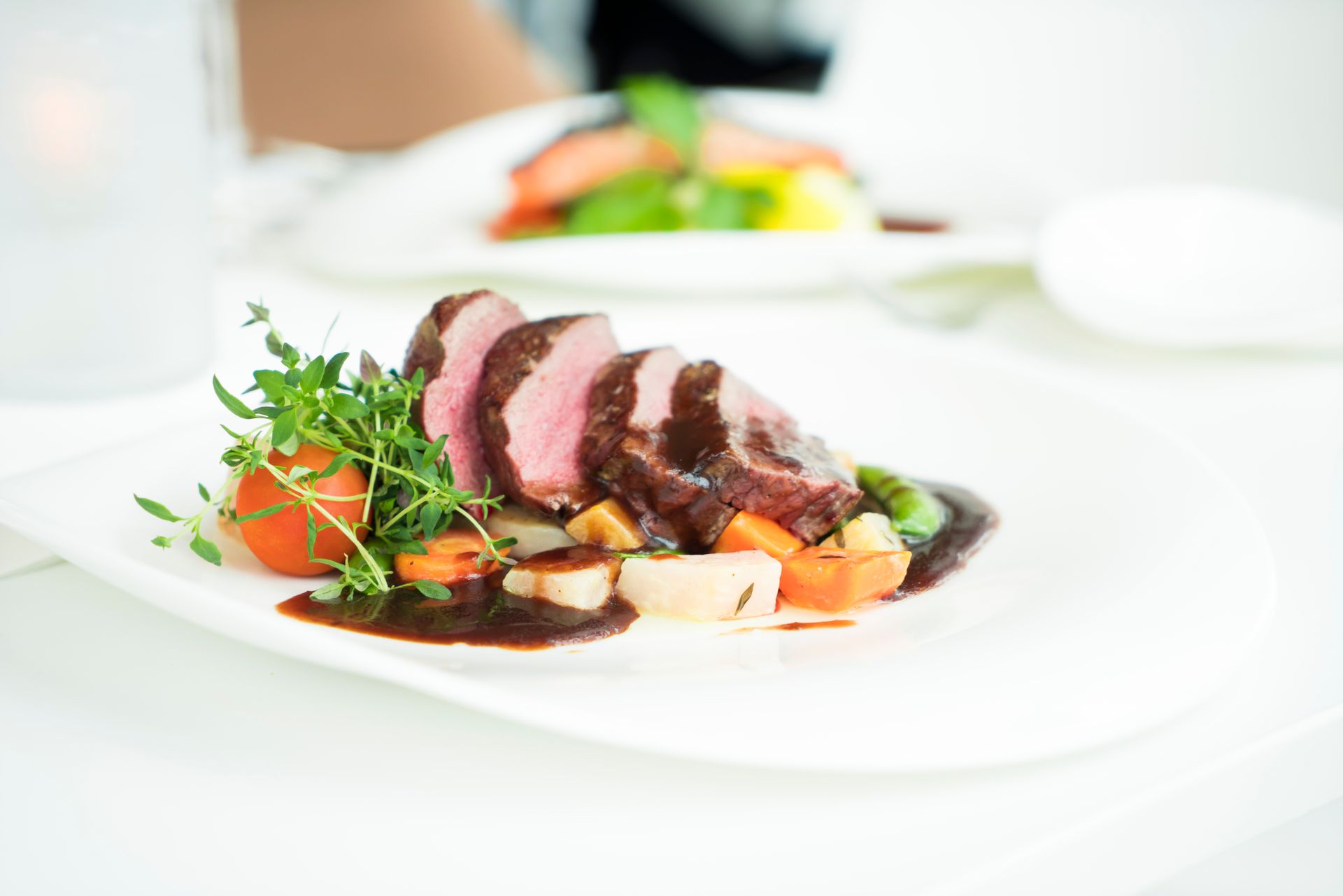
Lamb chops — whether grilled, pan-fried, or barbecued — are rich and fatty but tend toward a shorter, more casual preparation than a roast. The cooking usually develops a charred exterior and a pink centre, which brings a smoky, caramelised quality that adds another dimension to the pairing.
- Malbec — a particularly good match for grilled lamb chops. Its soft tannins, dark fruit, and mocha character complement the smokiness from the grill without the structural weight that might overwhelm the cut. Argentine Malbec at £12–18 is one of the most reliable lamb chop pairings at any price level.
- Pinot Noir — ideal for leaner lamb chops served delicately. The grape’s earthy, red fruit character and silky tannins are elegant against a chop that hasn’t been heavily seasoned. New Zealand or Oregon Pinot Noir is the go-to here — more fruit-forward and slightly fuller-bodied than Burgundy, which suits the modest intensity of the cut.
- Chianti Classico — Sangiovese’s high acidity and cherry-tomato character cut through fat effectively and work particularly well when the chops are seasoned with rosemary, garlic, and lemon — a Mediterranean flavour profile that the wine echoes naturally.
- Grenache / Garnacha — from the southern Rhône or Spain, Grenache’s generous red fruit, white pepper, and herbal notes are excellent with herb-seasoned lamb chops. GSM blends (Grenache-Syrah-Mourvèdre) add further spice and structure.
Slow-Cooked Shoulder and Shank: Bold Wines Required
Braised or slow-roasted shoulder, and lamb shank cooked until falling-off-the-bone tender, are the most intensely flavoured lamb preparations. Low-and-slow cooking concentrates the meat’s natural juices, develops rich, gelatinous depth, and typically involves additional aromatics (root vegetables, wine, herbs, sometimes preserved lemon or spices). These dishes need wines with real presence.
- Grenache-based blends (Châteauneuf-du-Pape, GSM, Priorat) — the natural pairing for slow-cooked shoulder, particularly when Mediterranean herbs are involved. The wine’s spice, dark fruit, and earthy garrigue character echo the cooking environment. Châteauneuf-du-Pape is the classic recommendation; a Côtes du Rhône or Gigondas achieves the same flavour profile at a fraction of the price.
- Rioja Gran Reserva — for shoulder cooked with a classic herb-and-garlic treatment. The aged Tempranillo’s tobacco, leather, and dried fruit complexity makes the wine feel like it was designed for the dish.
- Tempranillo from Ribera del Duero — more powerful and fruit-forward than Rioja, better suited to richer, more intensely flavoured slow-cooked lamb (shanks, shoulder with red wine, braised lamb neck).
- Syrah from the Northern Rhône — especially when the dish includes herbs like thyme and rosemary and a savoury sauce. Crozes-Hermitage or Saint-Joseph deliver the pepper, olive, and smoked meat character that mirrors the preparation.
Lamb Tagine and Curry: Embrace Spice
Spiced lamb preparations — Moroccan tagine with preserved lemon and dried fruits, Indian curry, Middle Eastern kofta with aromatic spices — introduce a new set of pairing considerations. The spices interact with wine’s tannin (amplifying heat) and acidity (providing contrast), which changes what works.
- Tagine (cinnamon, cumin, dried fruit, preserved lemon) — a fruit-forward, spicy red is ideal. Grenache-based wines or Syrah from a warmer climate (the Languedoc, Australia) handle the sweet-savoury spice balance well. Zinfandel’s jammy fruit and natural spiciness is another strong option.
- Mild curry (rogan josh, korma) — Rioja Crianza or Reserva is a classic recommendation that works because Tempranillo’s fruit and moderate tannin handle mild curry’s spice without amplifying it. Alternatively, an aged dry Riesling (trocken) provides brilliant acidity and stone fruit that contrasts the curry’s richness.
- Spicy curry — off-dry Riesling is the more reliable answer when the heat level rises. The slight residual sugar tempers the chilli heat; the high acidity cuts through the richness; and the aromatic complexity matches the spice. A German Riesling Spätlese or Kabinett is the specific recommendation.
White Wine and Rosé with Lamb
The assumption that lamb always requires red wine is worth questioning. There are specific preparations where white wine or rosé not only works but genuinely excels.
Rosé
A serious, dry rosé — Provençal, Bandol, or a full-bodied Italian rosé — works beautifully with spring lamb served pink (rack of lamb, small chops) particularly in warmer weather. The wine has enough structure to handle the fat but enough freshness to complement the meat’s delicacy. Rosé Champagne is a genuinely excellent pairing for rare-cooked rack of lamb at the fine dining level.
White Wine
White wine works with lamb in two situations: when the dish has Mediterranean-herb seasonings with lemon or capers, and when the lamb is particularly delicate (milk-fed spring lamb, very lightly cooked).
- Assyrtiko from Santorini — the most interesting and unexpected white wine pairing for lamb. Its searing acidity and mineral depth cut through lamb fat as effectively as many reds, and its saline, citrus character complements grilled lamb marinated in lemon, garlic, and oregano. A traditional Greek pairing that deserves wider recognition.
- Oaked Chardonnay — for herb-encrusted rack of lamb where the crust contains herbs de Provence, parmesan, or breadcrumbs. The wine’s body and richness handle the herb crust; its acidity addresses the fat.
- Aged Riesling (dry, trocken) — one of the most surprising and satisfying pairings for spiced lamb. The wine’s petrol, stone fruit, and honey complexity developed through age makes it a magnificent match for a lamb curry or a slow-cooked shoulder with North African spices.
Quick Reference: Wine for Every Lamb Dish
- Roast leg (medium-well) — Cabernet Sauvignon, Rioja Reserva, Syrah
- Rack of lamb (rare–medium) — Pauillac / Cabernet Sauvignon, Cabernet Franc, Brunello, Rosé Champagne
- Grilled lamb chops — Malbec, Pinot Noir, Chianti Classico, Grenache
- Slow-braised shoulder — Châteauneuf-du-Pape, Grenache, Rioja Gran Reserva, Northern Rhône Syrah
- Lamb shank (braised) — Ribera del Duero, Priorat, aged Syrah, Rioja Gran Reserva
- Lamb tagine — Grenache, Zinfandel, warm-climate Syrah
- Mild lamb curry — Rioja Crianza / Reserva, dry Riesling
- Spicy lamb curry — off-dry Riesling (Kabinett or Spätlese)
- Lamb with Greek herbs and lemon — Assyrtiko, Xinomavro, Rosé
- Lamb burger (BBQ) — Malbec, Zinfandel, Grenache
For more on the pairing principles behind these recommendations — how tannin, acidity, and intensity matching work across different foods — see our food and wine pairing guide. If you’re exploring the wines mentioned here in more depth, our Burgundy wine guide covers Pinot Noir’s spiritual home, and our hidden gems guide includes Xinomavro and other interesting lamb-friendly reds.
Frequently Asked Questions
What is the best wine to serve with lamb?
The best wine for most lamb dishes is a structured red with good tannins and acidity: Cabernet Sauvignon, Rioja (Tempranillo), or Syrah are the most reliable all-round choices. Rioja is arguably the most consistent match because the region’s cooking culture and its wines evolved together around roast and slow-cooked lamb. However, the ideal wine depends on the cut and preparation: Pinot Noir or Malbec for grilled chops, Grenache-based wines for slow-braised shoulder, off-dry Riesling for spicy curry. The preparation matters more than any single grape recommendation.
Should you drink red or white wine with lamb?
Red wine is the conventional and most reliable choice for most lamb preparations. Lamb’s fat and moderate gaminess call for the tannin and acidity that red wine provides. However, white wine works well for specific preparations: Assyrtiko from Santorini is excellent with Greek-style lamb marinated in lemon and herbs; aged dry Riesling is a superb match for lamb curry; and oaked Chardonnay complements herb-encrusted rack of lamb. Rosé — particularly a serious Provençal or Bandol rosé — is also excellent with delicately cooked spring lamb. The rule is not that white wine never works, but that you need a full-bodied, high-acid white rather than a light delicate one.
What wine goes with a roast leg of lamb?
The most recommended wines for roast leg of lamb are Cabernet Sauvignon (particularly Bordeaux or Napa), Rioja Reserva or Gran Reserva, and Syrah. Cabernet Sauvignon’s dark fruit, herbaceous notes, and firm tannins are textbook for a rosemary-and-garlic roasted leg cooked medium to well-done. Rioja Reserva is perhaps the most reliably excellent everyday pairing — Tempranillo’s fruit, tobacco, and earthy structure are made for this dish. If you want something lighter and more elegant, a good Merlot or even a fuller-bodied Pinot Noir works when the leg is cooked medium-pink.
What wine pairs with lamb chops?
Lamb chops pair well with Malbec, Pinot Noir, Chianti Classico, or a Grenache-based wine. Malbec is the most reliable everyday choice: its soft tannins, dark fruit, and mocha character complement the smokiness of grilled chops without overpowering them. Pinot Noir is the most elegant option for delicately cooked or lightly seasoned chops. Chianti Classico is excellent when the chops are seasoned with Mediterranean herbs. For lamb chops on the barbecue with bold seasoning, Grenache or Syrah match the smoke and spice well.
What wine goes with slow-cooked lamb shoulder?
Slow-cooked lamb shoulder needs a wine with real presence and flavour intensity: Grenache-based wines (Châteauneuf-du-Pape, Gigondas, Côtes du Rhône), Rioja Gran Reserva, Ribera del Duero, or a Northern Rhône Syrah are all excellent choices. The concentrated richness of a braised shoulder matches the depth and boldness of these wines; anything lighter will feel washed out by comparison. Châteauneuf-du-Pape is the classic fine dining recommendation; a Côtes du Rhône Grenache blend at a quarter of the price gets most of the way there for an everyday dinner.
Does Rioja go with lamb?
Yes — Rioja and lamb is one of the great regional wine-and-food pairings in the world. In northern Spain, roast lamb (cordero asado) is the defining regional dish, and Rioja’s Tempranillo-based wines evolved alongside it. The pairing works because Tempranillo’s dried fruit, leather, tobacco, and firm acidity are precisely calibrated to lamb’s gaminess and fat. A Rioja Reserva is the ideal everyday match; a Gran Reserva with some age is extraordinary with a whole roasted leg or slow-braised shoulder.