
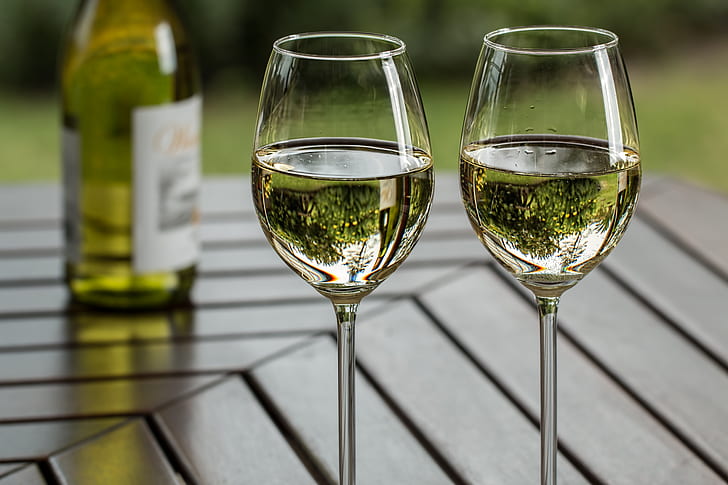
Pinot Gris and Pinot Grigio are the same grape. Not similar grapes, not related grapes — genetically identical, a single variety that produces wines so different in character that most people who enjoy one have no idea it shares its DNA with the other. A light, watery Italian Pinot Grigio and a rich, golden Alsatian Pinot Gris are the same grape interpreted through different climates, different winemaking philosophies, and different cultural traditions about what wine should be. Understanding the difference is one of those pieces of wine knowledge that immediately makes you better at choosing what to buy.
In this article
- 1 The Same Grape: A Brief History
- 2 The Key Differences at a Glance
- 3 Italian Pinot Grigio: The Light, Refreshing Style
- 4 Alsatian Pinot Gris: The Rich, Textured Style
- 5 Oregon, Germany, and Other Styles
- 6 Which Is Sweeter: Pinot Gris or Pinot Grigio?
- 7 Food Pairing: Which Style for What Dish
- 8 Which Should You Choose?
- 9 Frequently Asked Questions
The Same Grape: A Brief History
Pinot Gris is a genetic mutation of Pinot Noir — the same way that Pinot Blanc is. The grape’s skins are a greyish-blue or pinkish-copper colour (gris means grey in French; grigio means the same in Italian), which gives it an unusual position among white wine grapes: its skins contain anthocyanins, the pigments responsible for colour in red wine, which is why some styles of Pinot Grigio/Gris can have a faintly copper or salmon tint.
The grape has been grown in France’s Alsace region for centuries, where it developed as a rich, full-bodied white — one of the four noble grapes of the region alongside Riesling, Gewurztraminer, and Muscat. When it crossed the border into Italy, it found a different climate and a different set of winemaking priorities, and the Italian Pinot Grigio emerged as a lighter, crisper, more refreshing interpretation. The two names — Gris (French) and Grigio (Italian) — now signal not just the language on the label but the style inside the bottle.
The Key Differences at a Glance
- Italian Pinot Grigio: light-bodied, bone dry, high acidity, crisp and refreshing, with citrus and green apple. Unoaked. Ready to drink young. Designed not to demand attention.
- Alsatian Pinot Gris: medium to full-bodied, dry to off-dry, richer and more textured, with stone fruit, honey, and spice. Often aged in oak. More complex and longer-lived. Designed to accompany serious food.
- Oregon / New World Pinot Gris: typically falls between the two — more body and fruit than Italian Grigio but lighter than Alsatian Gris. Usually dry.
The name on the label is the most useful shortcut: if it says Pinot Grigio, expect a lighter Italian style; if it says Pinot Gris, expect something fuller and more complex. This is not a hard rule — some Italian producers make richer, more serious Grigio (particularly from Alto Adige and Friuli), and some Oregon Pinot Gris is lighter than expected — but it holds as a general guide.
Italian Pinot Grigio: The Light, Refreshing Style
Italian Pinot Grigio accounts for the vast majority of the style sold worldwide. It is produced primarily in three regions of northeastern Italy: Veneto (the largest volume producer, home to mass-market Pinot Grigio), Friuli-Venezia Giulia (the quality heartland, producing more serious, textured versions), and Alto Adige / Trentino (the finest and most mineral-driven, from high-altitude vineyards near the Austrian border).
Taste Profile
Italian Pinot Grigio at its typical commercial level is light, neutral, and crisp: lemon zest, green apple, white pear, and subtle almond on the finish. The acidity is its defining characteristic — it makes the wine feel clean and refreshing, cutting through whatever is on the plate. Body is light. Alcohol is low (11.5–13%). There is usually no oak influence and no winemaking intervention beyond basic fermentation in stainless steel at cool temperatures.
The honest criticism of commercial Pinot Grigio is that the lightest versions — the high-volume, low-price bottles from the Veneto — can be almost invisible as wines: technically correct but without any particular character to interest or engage. This is the product of very high yields and pressure to keep prices low.
Better Pinot Grigio: Where to Look
The best Italian Pinot Grigio comes from Alto Adige (also known as Südtirol), where high-altitude vineyards and Alpine influence produce wines of genuine mineral precision, citrus-driven freshness, and crisp acidity without neutrality. Look for producers like Elena Walch, Alois Lageder, and Tiefenbrunner. Friuli produces fuller, more textured Pinot Grigio — particularly in the Collio and Colli Orientali zones — that starts to approach the Gris style in weight and interest without losing the Italian crispness.
Why It Tastes the Way It Does
Three winemaking decisions drive the Italian Grigio style:
- Early harvest: grapes are picked before full ripeness to preserve acidity and keep alcohol low. Less ripe = more citrus, less stone fruit or honey.
- Stainless steel fermentation and ageing: no oak contact means no vanilla, toast, or texture from barrel influence. The wine’s primary fruit character is preserved.
- No malolactic fermentation (usually): the sharp malic acid is not converted to softer lactic acid, keeping the wine’s acidity crisp and clean.
Alsatian Pinot Gris: The Rich, Textured Style
Alsace in north-eastern France — a narrow strip of land between the Vosges Mountains and the Rhine, with a continental climate and some of France’s driest and sunniest vineyard conditions — is where Pinot Gris shows a completely different face. The same grape, harvested riper and vinified differently, produces wines of genuine complexity and ageing potential that have nothing in common with a supermarket Pinot Grigio beyond their DNA.
Taste Profile
Alsatian Pinot Gris is medium to full-bodied, with ripe stone fruit (peach, apricot, nectarine), honey, wet stone, and distinctive spice notes — ginger, cinnamon, sometimes a smoky or slightly resinous quality that appears in no other white wine. The texture is often described as slightly oily or waxy in a positive sense — a rich, coating mouthfeel that makes it genuinely satisfying alongside rich food. The finish is long. Alcohol is higher (13.5–15%).
Alsatian Pinot Gris ranges from bone dry (rare, usually labelled “sec”) through off-dry to noticeably sweet in Vendanges Tardives (late harvest) and Sélection de Grains Nobles (botrytised, very sweet) versions. The standard commercial Alsatian Pinot Gris sits in a slightly ambiguous dry-to-off-dry zone: technically dry or nearly so but with ripe fruit and glycerol that give an impression of sweetness. This can confuse buyers who expect it to taste like a crisp Italian Grigio.
Why It Tastes the Way It Does
- Later harvest: grapes are left longer on the vine to develop full ripeness, resulting in higher sugar, richer fruit, and more aromatic complexity.
- Oak ageing (often): unlike Italian Grigio, Alsatian Pinot Gris frequently sees some oak barrel ageing, adding texture, weight, and complexity.
- Lees contact: ageing on the lees adds a creamy, bready richness to the texture.
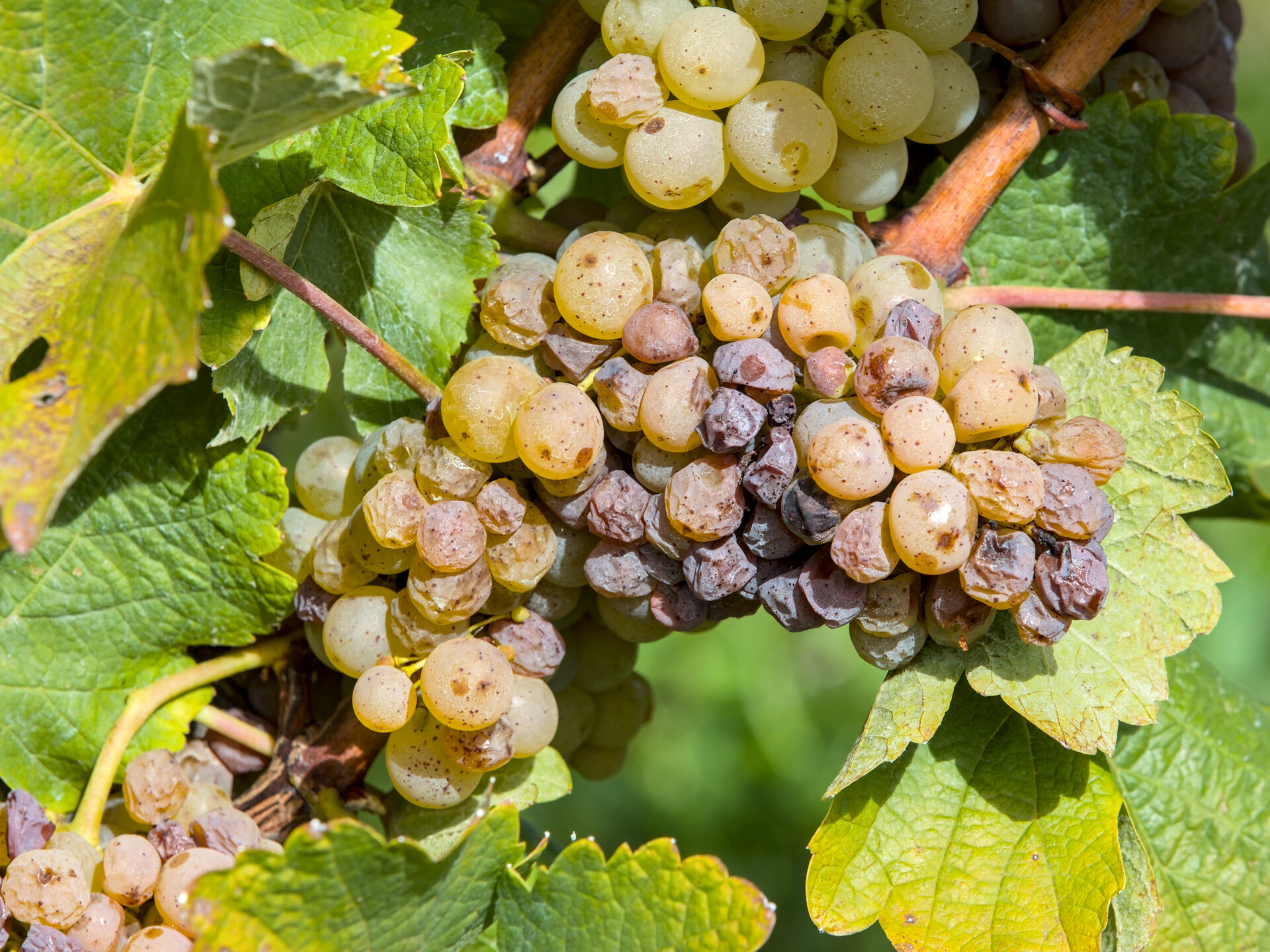
- Botrytis influence: in warm, humid years, noble rot (Botrytis cinerea) can affect the grapes, adding honeyed complexity even to wines that are technically fermented dry.
Oregon, Germany, and Other Styles
Oregon Pinot Gris
Oregon’s Willamette Valley has developed its own distinct interpretation of Pinot Gris, consciously influenced by Alsace but adapted to a cooler, wetter Pacific Northwest climate. Oregon Pinot Gris is typically dry, medium-bodied, with ripe pear and citrus fruit, moderate acidity, and a slightly creamy texture — more body and weight than Italian Grigio, less richness and spice than Alsatian Gris. It is the style often described as the accessible middle ground, and it is what many wine educators reach for when they want a food-friendly white that suits a range of guests.
German Grauburgunder
Germany uses a third name for the grape: Grauburgunder. The style varies by region but tends toward a fuller, more textured wine than Italian Grigio — closer to the Alsatian style but with the characteristic German precision and high acidity. Baden, in southern Germany, produces some of the most serious German examples. Worth seeking out for those who enjoy Alsatian Pinot Gris but want something with more freshness.
New Zealand and Australia
New Zealand labels wines as both Pinot Gris and Pinot Grigio, but the New Zealand style leans toward the richer, more aromatic Gris side regardless of the name used. The Central Otago and Marlborough regions both produce versions with good fruit concentration. Australia’s Pinot Grigio tends toward the lighter, crisper Italian style in most commercial examples.
Which Is Sweeter: Pinot Gris or Pinot Grigio?
This is the question most commonly asked, and the honest answer is: it depends on the specific wine. As a general rule, Italian Pinot Grigio is reliably bone dry — the high acidity makes any residual sweetness almost imperceptible. Alsatian Pinot Gris can range from dry through distinctly off-dry, and the label does not always make this clear. The Vendanges Tardives and Sélection de Grains Nobles designations are explicitly sweet; standard Alsatian Pinot Gris is usually technically dry but can give an impression of sweetness from the ripe fruit and low acidity.
If you need a reliable dry wine, Italian Pinot Grigio is the safer choice. If you want richness and complexity without sweetness, look for an Alsatian Pinot Gris labelled “sec”, or an Oregon Pinot Gris.
Food Pairing: Which Style for What Dish
Pinot Grigio Food Pairings
Italian Pinot Grigio’s high acidity and light body make it excellent with delicate, fresh preparations. Seafood is the natural match: oysters, clams, sushi, white fish (sole, sea bass, haddock) simply prepared with lemon and herbs. Salads, light pasta with olive oil or seafood, risotto bianco, fresh goat’s cheese, and antipasti all suit the Italian style. The wine’s neutrality means it does not compete with food — it refreshes and cleanses the palate rather than adding its own character. Alto Adige Pinot Grigio’s mineral precision makes it particularly good with sushi and raw bar.
Pinot Gris Food Pairings
Alsatian Pinot Gris suits richer, more flavourful preparations. Roast chicken and pork are classics — the wine’s body and stone fruit character complements the meat without the tannin of red wine. Choucroute garnie (the Alsatian dish of braised sauerkraut with various pork meats) is the definitive regional pairing: the wine’s slight sweetness and spice cut through the richness of the pork and the acidity of the sauerkraut simultaneously.
Alsatian Pinot Gris also handles spice well. Its ripe fruit, moderate acidity (lower than Italian Grigio), and occasional residual sugar make it a good partner for mildly spiced Asian dishes: Thai green curry, Vietnamese pho, Japanese miso-glazed salmon. It is not as reliable as off-dry Riesling for very spicy dishes, but it handles mild to medium spice comfortably. Washed-rind cheeses (Munster, Taleggio, Epoisses) are the other great Alsatian pairing — the wine’s slight richness provides the contrast the cheese’s pungency needs.
Which Should You Choose?
- Choose Italian Pinot Grigio when: you want a light, refreshing, crowd-pleasing white for a warm day, an aperitif, or alongside delicate fish and salads. Also when you want something inexpensive and reliable that will not challenge or surprise anyone.
- Choose Alsatian Pinot Gris when: you want a more serious, food-friendly white with real complexity. Alongside roast pork, rich poultry, Alsatian dishes, spiced food, or pungent cheese. Also when you want to explore the grape at its most expressive.
- Choose Oregon Pinot Gris when: you want the middle ground — more interesting than basic Italian Grigio, more approachable than Alsatian Gris, and dry enough to suit most occasions.
- Choose Alto Adige Pinot Grigio when: you want Italian crispness but with genuine quality and mineral character. The best value-for-quality Pinot Grigio comes from here.
Both styles are covered as part of our broader guide to wine grape varieties, which maps the full range of major white and red wines. For practical guidance on how each style pairs with food, our Chardonnay food pairing guide covers many of the same food situations where Pinot Gris/Grigio also excels.
Frequently Asked Questions
Is Pinot Gris the same as Pinot Grigio?
Yes — Pinot Gris and Pinot Grigio are the same grape variety. Gris is the French name, Grigio is the Italian name, and both mean grey — a reference to the grape’s grayish-blue skin colour. Despite being genetically identical, the wines produced from this grape taste dramatically different depending on where the grapes grow and how the wine is made. Italian Pinot Grigio is typically light, crisp, and neutral; French Alsatian Pinot Gris is rich, textured, and complex. The name on the label is usually the best guide to which style to expect.
Which is better: Pinot Gris or Pinot Grigio?
Neither is objectively better — they serve different purposes. Italian Pinot Grigio is better when you want a light, refreshing, crowd-pleasing white: an aperitif, a summer wine, a partner for delicate fish or salads. Alsatian Pinot Gris is better when you want complexity, body, and a wine that can stand up to richer food — roast pork, spiced dishes, pungent cheese. If pressed, most wine professionals would say that the finest Alsatian Pinot Gris (from producers like Trimbach, Hugel, Zind-Humbrecht, or Weinbach) represents the grape at its most interesting and serious expression. But interesting and serious is not always what you want from a white wine.
Is Pinot Grigio sweet or dry?
Italian Pinot Grigio is almost always bone dry. Its high acidity makes the wine taste clean and refreshing, without any perceptible sweetness. Alsatian Pinot Gris is usually dry to off-dry — technically low in residual sugar but with ripe fruit and low acidity that can give an impression of richness. Vendanges Tardives (late harvest) and Sélection de Grains Nobles versions of Alsatian Pinot Gris are noticeably to very sweet dessert wines. Oregon and New World Pinot Gris is typically dry.
What does Pinot Grigio taste like?
Italian Pinot Grigio tastes of lemon zest, green apple, white pear, and sometimes subtle almond or white flowers. It is crisp, light-bodied, and refreshing, with high acidity and a clean, dry finish. The best examples (from Alto Adige and Friuli) add mineral precision and a slightly saline quality. Mass-market examples from the Veneto can be very neutral — technically sound but without much to engage or interest. Alsatian Pinot Gris tastes of ripe stone fruit (peach, apricot), honey, wet stone, and distinctive spice (ginger, cinnamon). It is fuller-bodied and richer, with a slightly oily texture and a long, complex finish.
What food goes with Pinot Gris?
Alsatian Pinot Gris pairs best with roast chicken and pork, Alsatian dishes (choucroute garnie, tarte flambée), mildly spiced Asian food (Thai curry, Vietnamese, Japanese), washed-rind cheeses (Munster, Taleggio, Epoisses), and creamy pasta. Oregon Pinot Gris suits a similar range of foods but at a slightly lighter register. Italian Pinot Grigio is better with seafood, salads, light pasta, fresh cheese, and delicate fish. The rule: richer food suits Pinot Gris; lighter food suits Pinot Grigio.
Why does Pinot Grigio taste so different from Pinot Gris?
The difference comes from climate, harvest timing, and winemaking. Italian Pinot Grigio grapes are harvested early to preserve acidity and keep alcohol low, then fermented in stainless steel at cool temperatures with no oak contact — producing a light, crisp, fruit-forward wine. Alsatian Pinot Gris grapes are harvested later to develop full ripeness, often fermented in oak barrels, sometimes aged on lees, and may be influenced by botrytis — all of which produce a richer, more textured, more complex wine. The same grape produces entirely different results because the winemaking philosophy is completely different: Italy prioritises freshness and approachability; Alsace prioritises depth and complexity.