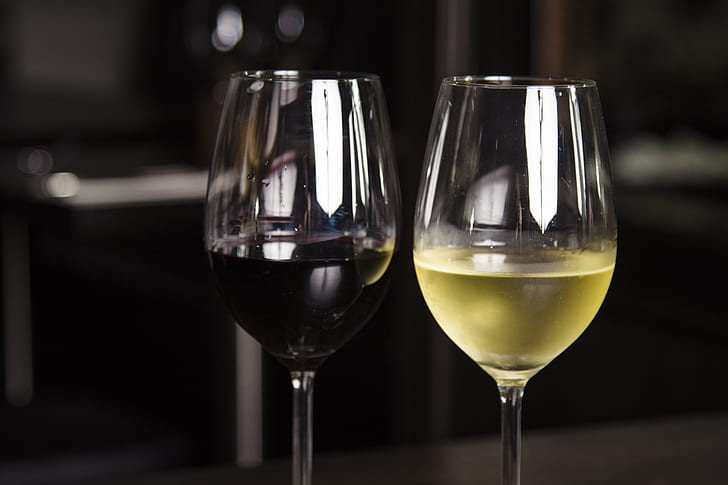
Wine comes in far more colours than the three supermarket categories of red, white, and rosé suggest. Red wine alone spans a range from deep, opaque purple-black to translucent brick-orange depending on the grape variety, the vintage, and how long the bottle has been aged. White wine shifts from a barely-there pale green-lemon all the way through straw, gold, and deep amber. And then there are the newer categories that have become impossible to ignore: orange wine and natural wine, which can be copper, amber, or even cloudy. Understanding wine colour is not just about aesthetics — it is about reading what is in the glass before you even take a sip.
In this article
- 1 Why Wine Colour Is Useful Information
- 2 How Colour Gets Into Wine
- 3 White Wine Colours and What They Mean
- 4 Red Wine Colours and What They Mean
- 5 Rosé Wine Colours and What They Mean
- 6 Orange Wine: The Fourth Colour
- 7 How Grape Variety Affects Colour
- 8 How Ageing Changes Wine Colour
- 9 Frequently Asked Questions
Why Wine Colour Is Useful Information
Wine colour reveals four things simultaneously: how the wine was made (specifically, the degree of skin contact during fermentation), the age of the wine in bottle, the grape variety’s inherent pigmentation, and sometimes the winemaker’s stylistic choices about oak ageing and oxygen exposure. A trained taster can narrow a wine’s identity significantly from colour alone before touching the nose or the palate.
The compound responsible for colour in wine is anthocyanin — a pigment found in the skins of dark grapes (the same compound that gives blueberries, cherries, and red cabbage their colour). The grape pulp itself, in almost all varieties whether red or white, is colourless. All the colour in wine comes from the skins.
How Colour Gets Into Wine
The fundamental mechanism is skin contact during and after crushing:
- White wine: grapes are pressed and the skins are removed immediately, before fermentation. The juice ferments without skin contact, producing a wine with minimal colour. This works with both white-skinned and (occasionally) dark-skinned grapes — Champagne uses Pinot Noir and Pinot Meunier, both dark-skinned, but presses them immediately to produce a white wine.
- Red wine: grapes are crushed and fermented with the skins present. Anthocyanins extract from the skins into the fermenting juice over days or weeks. The longer and more intensive the skin contact, the deeper the colour — and simultaneously, the higher the tannin.
- Rosé: dark-skinned grapes undergo brief skin contact (typically a few hours to two days), allowing just enough pigment to stain the juice pink before the skins are removed. Alternatively, some Champagne rosé is made by blending a small quantity of red wine into white.
- Orange wine: white grapes are treated like red wine, fermenting with extended skin contact. The skins impart colour (ranging from pale copper to deep amber), tannin, and aromatic compounds that fundamentally change the wine’s character.
White Wine Colours and What They Mean
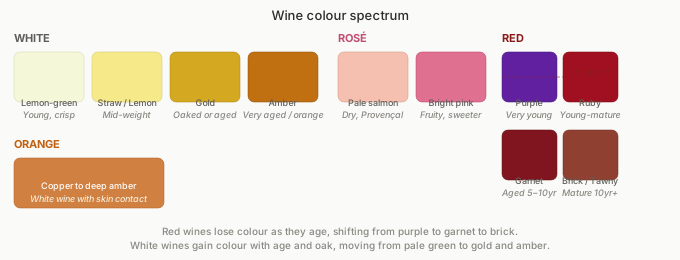
White wine spans a surprisingly wide range — from almost water-clear to deep amber. The progression is generally from younger and lighter to older and richer.
Pale Lemon-Green
The palest white wines have a faint green tint from chlorophyll in the grape skins, which appears in wines made from early-harvested, high-acid grapes in cool climates. This colour signals youth, high acidity, and no oak influence. Examples: Vinho Verde (which means “green wine”, named partly for this colour), young Sauvignon Blanc, Muscadet, Albariño. If you see this colour, expect something crisp, refreshing, and unoaked.
Straw / Lemon Yellow
The most common colour range for everyday white wine. Straw to pale lemon indicates a young, unoaked to lightly oaked white without significant age. Pinot Grigio, basic Chardonnay, young Riesling, Sauvignon Blanc, and most commercial whites fall here. The wine is probably fresh and fruit-forward with no significant development.
Gold
Deeper gold indicates one of three things: oak ageing, which adds colour through oxidative contact with the wood; significant age in bottle; or a riper, warmer-climate grape harvest with more extract. An oaked Chardonnay from Meursault or Napa will be golden; an aged Rioja Blanco will be golden. The wine inside is likely fuller-bodied with more complex flavours than a straw-coloured wine. Buttery, toasty, or nutty notes are common.
Amber (White Wine)
Deep amber in a white wine indicates very extended ageing (often in oxidative conditions), fortification, or intentional skin contact (orange wine). Amontillado and Oloroso Sherry are amber; aged white Rioja Gran Reserva is amber; intentionally oxidative Jura whites (Vin Jaune) are amber. These wines have typically lost their fresh fruit and developed complex, nutty, honeyed, oxidative notes. They are not spoiled — they are intentionally aged this way. However, an amber colour in a wine you were expecting to be young and crisp — a Pinot Grigio, a basic Sauvignon Blanc — can indicate oxidation, which is a fault.
Red Wine Colours and What They Mean
Red wine colours are among the most information-dense signals in wine. The progression from purple through ruby, garnet, and brick maps almost directly onto age. The intensity of colour (how opaque vs translucent the wine is) maps onto body and tannin level.
Purple / Inky Purple-Black
The deepest, most opaque red wines — almost black at the centre, purple at the rim — are almost always very young wines from thick-skinned, high-pigment grapes. Malbec, Syrah, Petit Sirah, and young Cabernet Sauvignon often show this colour. The purple comes from freshly extracted anthocyanins that have not yet had time to polymerise and precipitate. A deeply purple wine is almost certainly under three to five years old.
Acidity also influences this: wines with lower pH (higher acidity) retain a more vivid red colour; wines with higher pH tip toward blue-purple tones. A slight blue tint at the rim of a young red wine indicates lower acidity.
Ruby
Ruby is the most common red wine colour and covers a wide range from bright, translucent ruby-cherry to deeper, more opaque ruby. Most commercially available red wine sits here. Young Pinot Noir, Chianti, Merlot, and Tempranillo are all ruby-coloured wines. The transparency of a ruby wine is useful: you can often read text through a pale ruby Pinot Noir but not through a deep ruby Shiraz. More transparent ruby wines are generally lighter in body and tannin.
Garnet
Garnet is ruby with an orange or brown tinge beginning to appear — particularly visible at the rim, where the wine is thinnest and most transparent. This colour shift signals that the wine has some age. In a good Rioja Reserva, Burgundy Pinot Noir with five to ten years of age, or a mature Nebbiolo, garnet is expected and positive. The orange rim is evidence that the anthocyanins are beginning to polymerise, form sediment, and gradually drop out of solution. The wine’s tannins are softening at the same time.
Brick / Tawny
Brick and tawny are the colours of mature and old red wine. The orange-brown tones dominate, and the wine may be noticeably pale and translucent compared to its youth. This is not a sign of deterioration in a wine built to age — a 15-year-old Barolo at brick-tawny with complex tertiary aromas is exactly where it should be. However, a young, inexpensive red that has turned brick-tawny prematurely has likely been stored poorly or has oxidised. Context is everything with these colours.
Rosé Wine Colours and What They Mean
Rosé colour is the most directly linked to production method of any wine category. The shade of pink is almost entirely determined by how long the grape skins were in contact with the juice.
Pale Salmon / Onion Skin
The palest rosé wines — a barely-there salmon, sometimes described as “onion skin” — are the result of very brief skin contact (one to four hours) or immediate pressing of dark grapes. This is the signature Provençal style: pale, dry, crisp, and restrained in fruit. The colour signals a drier, more savoury style with higher acidity. Pale salmon rosé from Provence is one of the most recognisable wine categories by sight alone. Expect: bone dry, light body, citrus and red berry, mineral.
Bright Pink / Deep Pink
Brighter, deeper pink rosé wines result from longer skin contact (twelve to forty-eight hours), a darker grape variety (Grenache, Syrah, Mourvdre), or production in warmer climates where the grape’s pigmentation is more intense. These wines tend to be fruitier, slightly rounder, and sometimes off-dry. A vivid, almost magenta rosé from Garnacha (Grenache) in Spain is a different wine from a pale Provençal salmon, even if both are labelled simply “rosé”.
The common misconception that darker rosé is sweeter is only partially true: it tends to be richer and more fruit-forward, but dryness is determined by fermentation, not skin contact time. Many deeply pink rosé wines are bone dry. Check the label rather than assuming sweetness from colour.
Orange Wine: The Fourth Colour
Orange wine — sometimes called amber wine or skin-contact wine — is white wine made with extended skin contact, in the same way that red wine is made. The grape skins of white varieties (Pinot Grigio, Gewurztraminer, Pinot Gris, Vermentino, Georgian Rkatsiteli and Mtsvane) are left in contact with the juice for days, weeks, or even months, extracting colour, tannin, and phenolic compounds that normal white wine production removes.
The resulting colour ranges from pale copper (a few days of skin contact) through to deep amber-orange (months of contact). The wine also develops tannin — unusual in white wine — and a distinctive savoury, oxidative, sometimes nutty character that either fascinates or baffles those who encounter it for the first time.
Orange wine is ancient — Georgian winemakers have been fermenting in clay qvevri vessels with extended skin contact for over 8,000 years — but its modern popularity as a natural wine movement phenomenon is relatively recent. For a full guide, see our hidden gems guide, which covers orange wine’s character and best examples.
How Grape Variety Affects Colour
Beyond production method, the grape variety itself determines how much colour potential the wine has:
- Thin-skinned red grapes (Pinot Noir, Gamay, Grenache, Nebbiolo) naturally produce paler red wines. Pinot Noir at three years old is already translucent ruby; a thick-skinned Malbec at the same age may be nearly opaque. Nebbiolo is a special case: it has very high tannin but produces a relatively pale, garnet-orange wine because its anthocyanins polymerise faster than most varieties.
- Thick-skinned red grapes (Cabernet Sauvignon, Syrah, Malbec, Petit Sirah) produce deeply coloured, often opaque wines with high tannin extraction.
- White grapes produce wines ranging from very pale (neutral varieties like Trebbiano) to noticeably golden (aromatic varieties like Gewurztraminer, which has pink-tinged skins).
How Ageing Changes Wine Colour
One of the counterintuitive things about wine colour and age is that red and white wines move in opposite directions:
- Red wines lose colour as they age. The anthocyanin molecules polymerise and precipitate as sediment, taking colour out of solution. A deeply purple-black young Syrah will gradually shift to ruby, then garnet, then brick-tawny over twenty or thirty years. The wine becomes more translucent, not darker.
- White wines gain colour as they age. Oxidation and chemical reactions between acids, alcohols, and phenolics gradually deepen the colour from lemon-straw to gold to amber. An aged white Burgundy at fifteen years is noticeably deeper gold than the same wine at two years. Very old whites can be deep amber.
This means that a very pale red wine could be either very young (not yet developed colour) or very old (having lost colour through ageing). The hue tells you more than the intensity: purple tones signal youth; orange-brick tones signal age. The nose and palate then confirm which.
For a deeper look at how to use colour as a diagnostic tool during tasting, see our guide to tasting wine like a sommelier, which covers the full appearance assessment step. Our wine tasting terms guide defines the specific colour vocabulary (ruby, garnet, tawny, straw, gold, amber) used in professional notes.
Frequently Asked Questions
What are the different colours of wine?
Wine comes in four broad colour categories: white, rosé, red, and orange. White wine ranges from pale lemon-green through straw and gold to deep amber. Rosé ranges from barely-pink salmon to bright or deep pink. Red wine ranges from deep purple-black through ruby and garnet to brick-orange tawny. Orange wine (white wine made with skin contact) ranges from pale copper to deep amber. Within each category, the exact shade tells you something about the wine’s age, grape variety, and how it was made.
Why is red wine red?
Red wine gets its colour from anthocyanins — pigment compounds found in the skins of dark-coloured grapes. The grape pulp itself is colourless; all the colour comes from skin contact. During red winemaking, the crushed grapes ferment in contact with their skins, and the anthocyanins extract into the juice along with tannins. The longer and more intensive the skin contact, the deeper the colour and the higher the tannin. White wine can actually be made from dark-skinned grapes by pressing them immediately and removing the skins before fermentation — Champagne uses Pinot Noir this way.
What does a wine’s colour tell you?
A wine’s colour reveals four things: how it was made (specifically, the degree of skin contact), its approximate age, its grape variety’s inherent pigmentation, and sometimes the winemaker’s stylistic choices around oak ageing. In red wine, purple tones indicate youth; orange-brick tones indicate significant age. In white wine, pale green-lemon indicates youth and no oak; deep gold indicates oak ageing or age in bottle. Colour intensity (how opaque or translucent the wine is) correlates with tannin level and body in red wine, and with extract and richness in white wine.
What is orange wine?
Orange wine is white wine made using extended skin contact — the same method used to make red wine. White grapes are fermented with their skins left in contact with the juice for days, weeks, or months, extracting colour (ranging from pale copper to deep amber), tannins, and phenolic compounds not normally present in white wine. The result is a wine with the pale colour range of a white wine but the texture and some of the structure of a red. Orange wine is ancient (Georgian winemakers have used this technique for over 8,000 years) but has become fashionable globally as part of the natural wine movement.
Does darker red wine mean higher quality?
Why does red wine change colour as it ages?
Red wine loses colour as it ages because the anthocyanin molecules that give it its purple-ruby colour gradually polymerise — they bond together into larger chains that become too heavy to stay in solution and precipitate as sediment. This process removes colour from the wine, shifting it from deep purple-ruby to garnet, then brick-orange and tawny over decades. Simultaneously, the tannins soften as they also polymerise and settle. This is why very old red wines are often paler, more translucent, and more orange in colour than young wines from the same grape, and why old bottles should be decanted carefully to leave the sediment behind.