
Wine does something to food that water, stock, and any other cooking liquid cannot: it contributes acidity, aromatic complexity, and — when reduced — a concentrated depth of flavour that forms the backbone of some of the world’s great sauces. Boeuf bourguignon, coq au vin, osso buco, bolognese, risotto, moules marinière — all are built on wine as a fundamental ingredient, not a finishing flourish. Understanding how wine behaves in a hot pan, when to add it, how much to use, and which variety to choose is one of the most useful skills a home cook can develop.
In this article
Why Wine Makes Food Taste Better
Wine contributes three things to a dish that nothing else provides in quite the same way.
Alcohol as a solvent. Alcohol dissolves both fat-soluble and water-soluble flavour compounds — something water alone cannot do. This means wine integrates flavours from aromatics (onion, garlic, herbs) more thoroughly than stock or water, helping them permeate the whole dish rather than sitting in pockets. As the dish cooks, almost all of the alcohol evaporates — what remains is the flavour contribution, not the booze.
Acidity as a brightener. Wine’s natural acidity — from tartaric, malic, and citric acids — adds brightness to rich, fatty dishes. A slow-braised beef that has been cooked with red wine will taste more alive and less heavy than the same dish made with stock alone, because the wine’s acidity cuts through the fat and keeps the palate interested. Acidity also tenderises proteins in marinades, breaking down muscle fibres for better texture.
Concentrated flavour through reduction. When wine reduces over heat, its volatile alcohol compounds evaporate and its flavour compounds concentrate. A cup of red wine reduced to two tablespoons becomes intensely complex — fruity, tannic, slightly sweet, deeply savoury. This is the foundation of classic French sauces and the reason a good braising liquid tastes so different from the raw wine you started with.
The Golden Rule: Use Wine You Would Actually Drink
The most important rule in cooking with wine, repeated by every serious cook who has ever addressed the topic: use wine you would be happy to drink. Never use “cooking wine” from a bottle labelled specifically as such — these are typically made from inferior grapes, heavily salted to make them shelf-stable, and produce inferior results in the pan. The salt added to cooking wines is unpredictable in quantity and throws off your seasoning.
This does not mean using expensive wine. A perfectly serviceable cooking wine costs £8–12: something you’d genuinely enjoy drinking but wouldn’t save for a special occasion. The point is that wine’s flavours concentrate as it reduces, so whatever flaws exist in the raw wine will be amplified in the finished dish. A wine that tastes harsh, vinegary, or off in the glass will taste worse in the sauce.
One useful corollary: match the wine to the dish. Use red wine in red meat dishes, white wine in fish and poultry dishes. This is not a rigid rule — some recipes deliberately cross it for effect — but as a default, matching wine colour to meat colour produces the most harmonious result.
Which Wines Work Best in the Kitchen
Red Wines for Cooking
For most red wine cooking, you want something medium-bodied with moderate tannins and good acidity. Very tannic wines (Barolo, Cabernet Sauvignon) can become bitter and astringent when reduced, because tannins concentrate under heat. Very light wines (basic Pinot Noir) can disappear into a rich braise. The sweet spot is in the middle.
- Sangiovese / Chianti — the best all-round cooking red. High acidity, moderate tannins, good cherry and herbal character. Works beautifully in bolognese, tomato sauces, short rib braises, and risotto. Its acidity keeps the dish tasting fresh even after long cooking.
- Merlot — softer and rounder than Sangiovese, with plum and dark fruit. Good for dishes where you want depth without too much tannic grip — beef stew, lamb braises, duck legs.
- Grenache / Côtes du Rhône — fruity, spicy, moderate tannins. Excellent in braises with Mediterranean herbs (thyme, rosemary, bay). Côtes du Rhône at £8–12 is a kitchen workhorse.
- Avoid: heavily oaked reds (the wood flavours become bitter under heat), very tannic young reds (Barolo, young Cabernet), or anything with obvious flaws — vinegar character, mustiness, or cork taint.
White Wines for Cooking
White wines dominate the cooking-wine market because their bright acidity and lack of tannin make them more versatile — they work with fish, poultry, vegetables, cream sauces, and risotto without the risk of bitterness that tannic reds carry.
- Dry Sauvignon Blanc — the chef’s top choice for most white wine cooking. Crisp, acidic, with herbal and citrus notes that complement almost any savoury preparation. Works in clam sauce, risotto bianco, chicken piccata, butter sauces, and any recipe where acidity is the primary goal.
- Pinot Grigio — more neutral than Sauvignon Blanc. Excellent when you want the wine’s acidity without its aromatic personality — useful in delicate cream sauces, fish dishes, and preparations where you don’t want any herbal character.
- Unoaked Chardonnay — more body than Sauvignon Blanc, good for richer preparations: cream sauces, chicken in wine, lobster bisque. Avoid oaked Chardonnay — the oak flavours concentrate unpleasantly under heat.
- Dry Vermouth — a genuinely useful cooking white that many professional kitchens rely on. Its concentrated herbal complexity adds more flavour than a neutral Pinot Grigio, it lasts for months open in the fridge (unlike table wine), and it’s excellent in risotto, butter sauces, and seafood dishes.
- Avoid: sweet whites, heavily oaked Chardonnay, off-dry Riesling unless the recipe specifically calls for sweetness.
The Four Core Techniques
1. Deglazing
Deglazing is the technique of using wine (or another liquid) to dissolve and lift the browned, caramelised bits of food — the fond — that stick to the bottom of a pan after searing meat or sautéing vegetables. These browned bits are one of the most concentrated sources of flavour in cooking, the result of the Maillard reaction, and dissolving them into a wine-based sauce is the foundation of classical French cooking.
How to deglaze properly:
- Sear your meat or vegetables over high heat until well browned on all sides, then remove from the pan.
- With the pan still hot (critical — if the pan cools, the fond sets and becomes harder to dissolve), pour in your wine. Expect a dramatic sizzle and cloud of steam.
- Use a wooden spoon or spatula to scrape the browned bits from the pan base, incorporating them into the wine.
- Reduce the wine by half over medium-high heat, 3–5 minutes, until the harsh alcohol edges mellow and the liquid thickens slightly.
- Add stock, cream, or other liquid and continue building your sauce.
How much wine to use for deglazing: typically 60–125ml (a quarter to half a cup). This is enough to dissolve the fond and give you a base to build from, without making the sauce taste of raw wine. For a pan sauce serving two to four people, 125ml is usually the right amount.
2. Braising
Braising uses wine as a significant proportion of the cooking liquid for slow, covered cooking of tough cuts of meat (short ribs, lamb shoulder, chicken thighs, oxtail). The long cooking time — typically two to four hours — gives the alcohol plenty of time to evaporate while the wine’s acidity, fruit, and tannins slowly integrate into the braising liquid. The result is extraordinary depth of flavour.
Typical proportions for a braise: roughly half wine and half stock (e.g. 250ml wine, 250ml stock for a recipe serving four). Some classic recipes use almost entirely wine — boeuf bourguignon traditionally uses a full bottle of red wine for a braise serving six. The key is that the liquid should come at least halfway up the meat, and the braise should cook at a gentle simmer (not a boil) in a covered pot.
Which wine for braising: match the wine to the meat. Red wine for red meat (Sangiovese, Grenache, Merlot for beef, lamb, duck). White wine for poultry and pork (Sauvignon Blanc, Pinot Grigio, unoaked Chardonnay). For both, avoid the extremes: very tannic reds produce bitter braises; sweet whites produce cloying ones.
3. Reductions and Pan Sauces
A wine reduction is wine simmered until its volume decreases and its flavours concentrate. It is the building block of most classical French sauces — béarnaise starts with a white wine and tarragon reduction; a classic steak sauce starts with a red wine reduction mounted with butter.
The basic technique: pour 200–250ml of wine into a wide pan or saucepan, add any aromatics (shallots, herbs, peppercorns), and simmer over medium heat until reduced by at least half — ideally by two-thirds for a more intense flavour. The resulting syrupy liquid is the base into which stock, cream, or butter is added.
Mounting with butter (monter au beurre): the finishing technique for most wine-based pan sauces. Remove the pan from heat, add cold butter cut into small cubes, and swirl or whisk vigorously until each piece is incorporated. This emulsifies the sauce, giving it a glossy, velvety texture and rich flavour. Add butter off the heat — if the pan is too hot, the butter separates and the sauce becomes greasy.
4. Pasta Sauces and Risotto
These are the everyday cooking-with-wine applications most home cooks encounter first.
Bolognese and meat ragù: Wine is added after the meat has browned and the soffritto (onion, carrot, celery) is cooked. Add the wine — typically 150–200ml of red — and let it cook over medium-high heat until almost completely absorbed, 5–10 minutes. This step is not optional: the wine’s acidity loosens the caramelised meat juices from the pan (a mini-deglaze) and contributes acid to balance the tomatoes added later. Adding it too late — after the tomatoes — means the wine never fully integrates and the sauce tastes of raw alcohol.
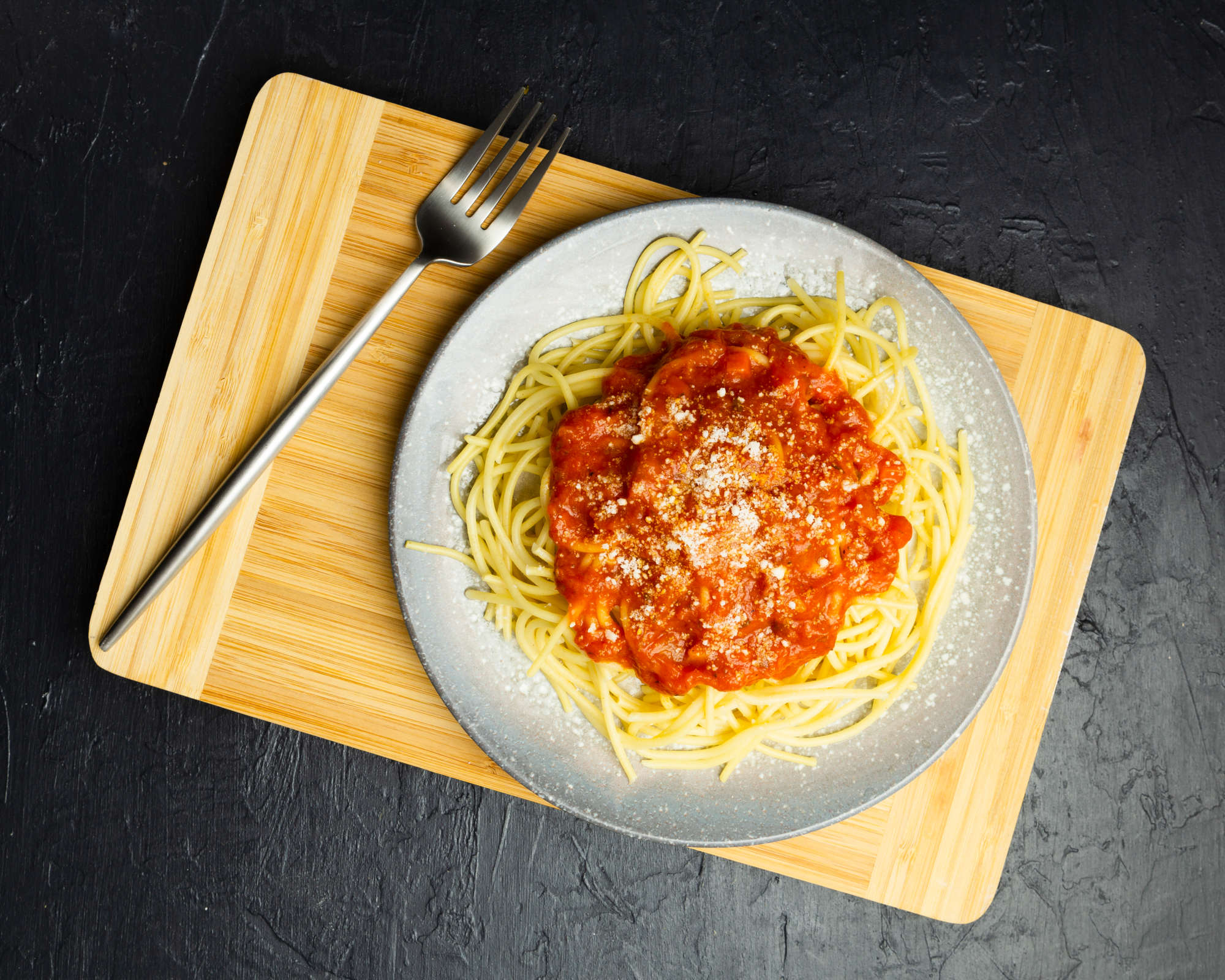
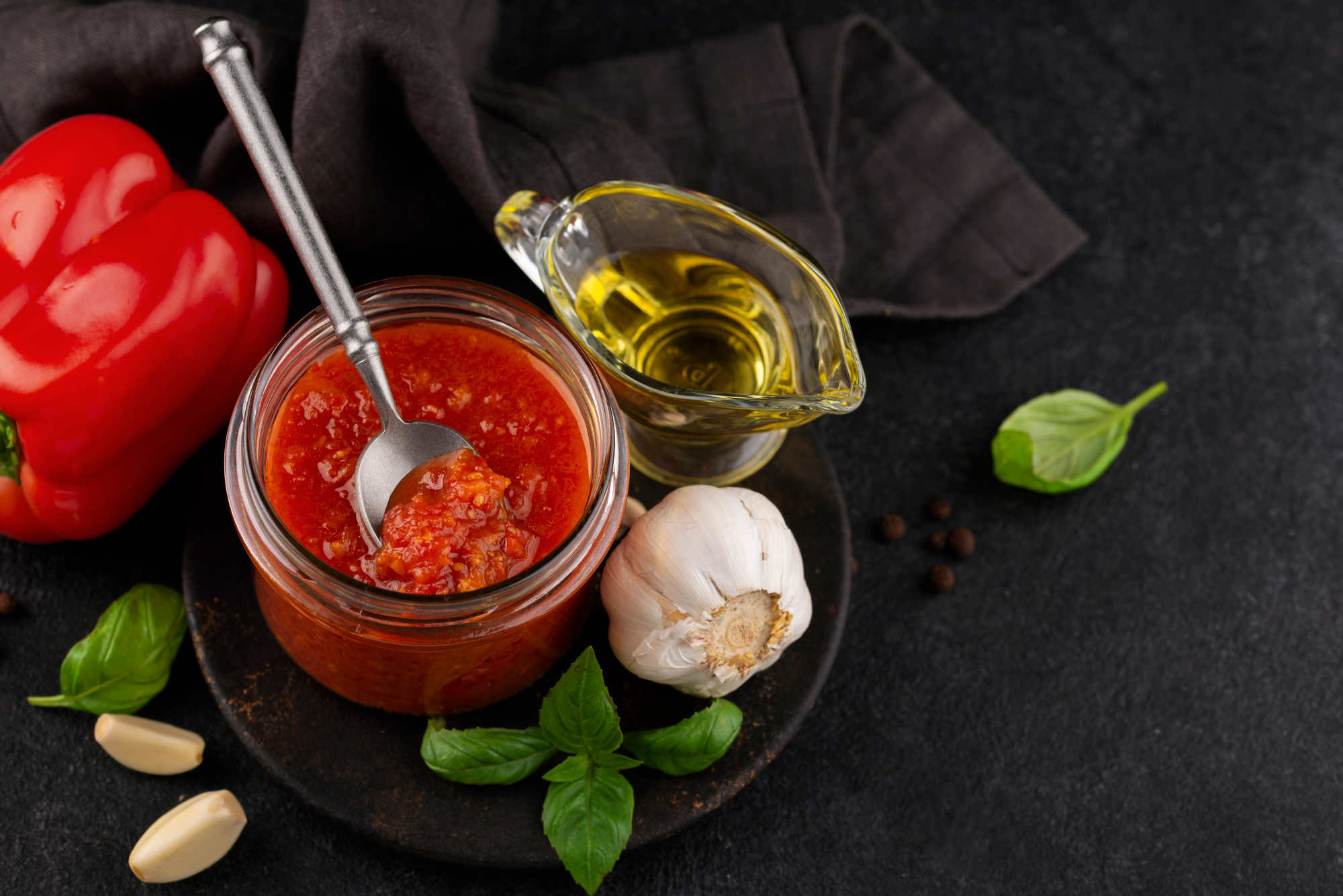
Simple tomato sauce / marinara: Add 60–100ml of dry red or white wine after sautéing the garlic (and onion, if using) and before adding the tomatoes. Reduce for two to three minutes until the wine is nearly gone. This step adds a background depth that makes the finished sauce taste less flat. The choice of red vs. white: red wine with tomato produces a richer, deeper sauce; white wine with tomato produces a brighter, more acidic one. Both are correct; it depends on the dish.
Risotto: Wine is added right at the start, after the rice has been toasted in butter and the onion is translucent. Add a wine glass (100–150ml) of dry white wine and stir until it is completely absorbed before adding any stock. The wine’s acidity prevents the starch from clumping and gives the finished risotto its characteristic bright, slightly sharp edge. Using no wine produces a heavier, starchier result. Dry Sauvignon Blanc, Pinot Grigio, or dry Vermouth are the standard choices.
Quantities at a Glance
- Deglazing a pan — 60–125ml (serve 2–4)
- Bolognese or meat ragù — 150–200ml per recipe serving 4, added after browning the meat
- Simple tomato / marinara sauce — 60–100ml, added after garlic, before tomatoes
- Risotto — 100–150ml (one wine glass), added first after toasting the rice
- Braise (short ribs, lamb shoulder) — 200–375ml (up to half the braising liquid volume)
- Boeuf bourguignon — a full 750ml bottle for a recipe serving 6
- Pan sauce / reduction — 200–250ml reduced by two-thirds for a sauce serving 2
- Mussels moules marinière — 150–200ml white wine in the steaming liquid
When to Add the Wine: Timing Matters
The most common mistake when cooking with wine is adding it at the wrong point in the cooking process, or not giving it enough time to cook out properly.
- Too early (before browning): adding wine before meat or vegetables have developed colour dilutes the Maillard reaction and produces a pale, less flavourful result. Brown first, wine second.
- Too late (after all other liquids): in slow sauces and braises, wine added last never fully integrates. It tastes raw and alcoholic even after long cooking. Add wine as a distinct step and reduce it before adding stock or tomatoes.
- Correct timing for most dishes: after browning protein or sautéing aromatics, before adding stock or other liquids. The wine gets a few minutes of direct heat to reduce, lose its raw alcohol edge, and bond with the pan fond before the other ingredients arrive.
- Correct timing for bolognese specifically: after the meat has fully browned and any excess fat has been drained, before the tomatoes. Add all the wine, increase the heat, and cook until it has almost completely evaporated — 8 to 12 minutes depending on volume. You should be able to see and smell the alcohol dissipating. Only then add the tomatoes.
A Note on Cookware
Wine’s acidity reacts with certain metals. Always use stainless steel, enamelled cast iron, or non-reactive cookware for wine-based preparations. Avoid unlined aluminium and plain copper — the acid in wine can leach metallic compounds from these surfaces, producing off-flavours and potentially discolouring the sauce. Cast iron is fine as long as it is well-seasoned or enamelled (bare cast iron can produce a metallic taste with acidic ingredients).
For more on the wines mentioned throughout this guide — and how to choose bottles worth both cooking and drinking — see our guide to dry wine and our wine basics section.
Frequently Asked Questions
What is the best wine to cook with?
The best wines for cooking are mid-priced, dry, and wines you would enjoy drinking. For red wine cooking, Sangiovese (Chianti), Merlot, and Grenache are the most versatile choices: they have good acidity, moderate tannins that don’t become bitter when reduced, and fruit character that complements most meat dishes. For white wine cooking, dry Sauvignon Blanc is the professional chef’s top choice for its clean acidity and herbal character. Pinot Grigio is more neutral and works well in delicate preparations. Dry Vermouth is a useful substitute that lasts longer once opened. Never use ‘cooking wine’ from a bottle labelled as such: it is salted and low quality.
When do you add wine to bolognese?
Wine is added to bolognese after the meat has fully browned and before the tomatoes. Once the meat and soffritto are cooked, increase the heat to medium-high, add 150–200ml of dry red wine, and cook until it has almost completely evaporated — typically 8 to 12 minutes. You should be able to see the steam and smell the alcohol dissipating. Only then add the tomatoes (and milk, if using). Adding wine after the tomatoes is a common mistake: it never fully integrates and leaves a raw, alcoholic flavour that doesn’t cook out properly.
How much wine do you put in pasta sauce?
For a simple tomato sauce (marinara) serving four: 60–100ml of dry red or white wine. Add it after the garlic has softened and before the tomatoes, then reduce for 2–3 minutes until almost evaporated. For bolognese serving four: 150–200ml of dry red wine, added after the meat has browned and fully reduced before the tomatoes are added. For cream-based pasta sauces: 100–150ml of dry white wine added after any shallots and before the cream, reduced by half. The key in all cases is letting the wine fully reduce before adding other liquids — not rushing this step is what separates a flat sauce from one with real depth.
Does alcohol cook off when you cook with wine?
Most of it does, but not all immediately. Alcohol begins evaporating around 78°C and continues to leave the dish as long as cooking continues. After 15 minutes of simmering, roughly 60–70% of the alcohol is gone. After 2–3 hours of braising, around 95% has evaporated. The key practical implication: wine added just before serving retains most of its alcohol. Wine added at the start of a long braise or sauce and allowed to fully reduce before other liquids are added will contribute flavour with virtually no remaining alcohol. This is why timing matters — for both flavour and alcohol content.
Can I use any wine for cooking, or do I need a specific type?
You need a dry wine (no residual sweetness), and ideally one you would enjoy drinking. Beyond that, the choice depends on the dish: red wine for red meat and tomato-based dishes, white wine for fish, poultry, cream sauces, and risotto. Avoid heavily oaked wines in either colour — oak flavours concentrate and become bitter when reduced. Avoid very tannic reds (Barolo, young Cabernet) in pan sauces that will be heavily reduced. Avoid sweet whites unless a recipe specifically calls for them. A mid-priced Chianti, Merlot, or Côtes du Rhône for red; a Sauvignon Blanc, Pinot Grigio, or dry Vermouth for white covers nearly every cooking application.
What is deglazing with wine?
Deglazing is the technique of adding wine (or another liquid) to a hot pan after searing or browning food, in order to dissolve and lift the browned, caramelised residue stuck to the pan base. This residue — called fond in French — is one of the most concentrated sources of flavour in cooking. Deglazing with wine dissolves the fond into a flavour-rich liquid that becomes the base of a sauce. Add wine to the hot pan, scrape the base vigorously with a wooden spoon, and reduce by half before adding stock or cream. The sizzle and steam when wine hits the hot pan is the reaction that starts the process.