
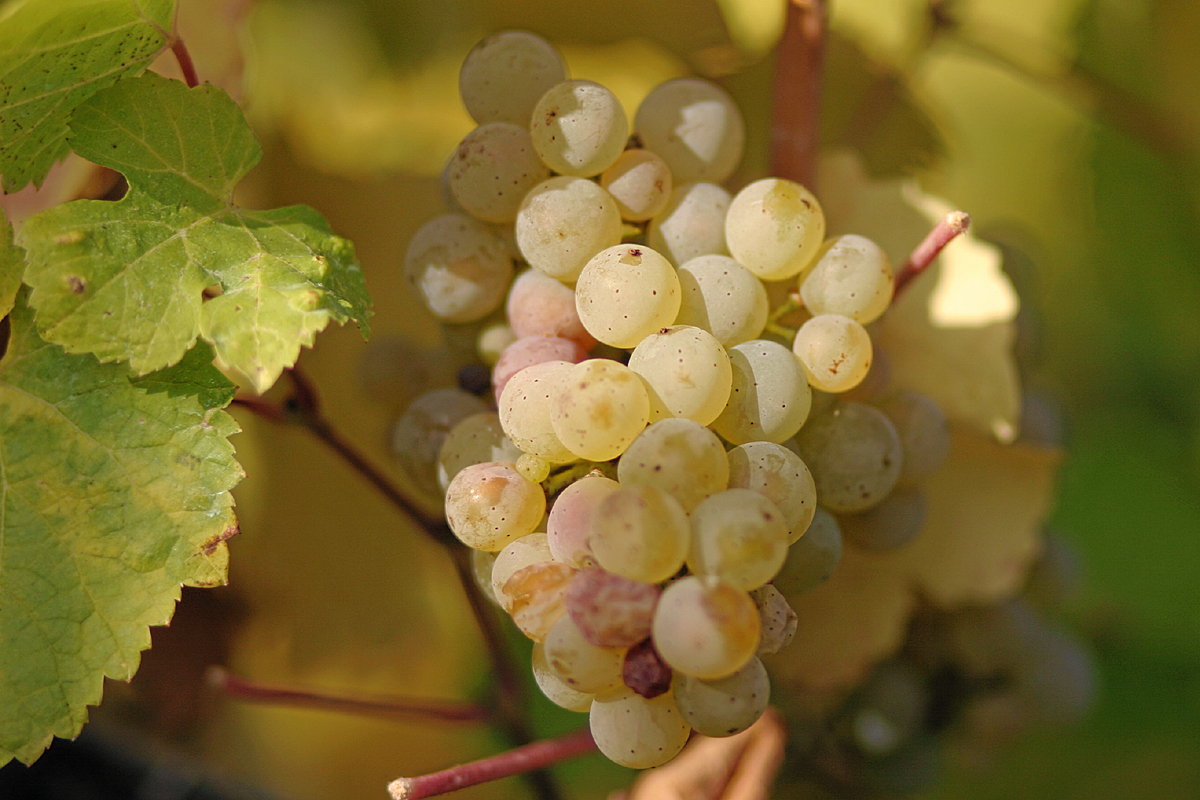
Ask a sommelier which single white wine is most versatile with food, and the answer is almost always Riesling. Its combination of high natural acidity, aromatic intensity, and a sweetness range that spans bone-dry to lusciously sweet means there is a Riesling for virtually every dish on the table. The catch — and the key to every pairing in this guide — is that the sweetness level of the wine must match the food. A bone-dry Riesling and an off-dry Riesling are fundamentally different propositions at the table, and knowing which to reach for is what separates a brilliant pairing from a confusing one.
In this article
The One Rule: Match the Sweetness Level First
Before any other consideration, establish how dry or sweet your Riesling is. Sweetness in wine is measured in grams of residual sugar per litre, but for practical pairing purposes, the label gives you most of what you need:
- Trocken (German) or unlabelled Alsatian Riesling — bone dry. Under 9 g/L. Pairs like any crisp dry white.
- Kabinett — off-dry to slightly sweet. Typically 20–60 g/L but balanced by very high acidity so it rarely tastes sweet. The most food-flexible tier.
- Spätlese — off-dry to medium sweet. More fruit intensity, more sweetness, higher acidity to balance. Excellent with spicy food.
- Auslese — noticeably sweet. Best as a dessert wine or with rich, salty cheeses.
- Beerenauslese / Trockenbeerenauslese / Eiswein — lusciously sweet dessert wines. Match only with dessert or blue cheese.
- Clare Valley / Eden Valley (Australian) — usually dry or off-dry, with prominent lime and high acidity. Similar pairing logic to German Kabinett.
- Alsatian Riesling — generally dry to off-dry, fuller bodied than German. Matches richer dishes than Mosel Riesling.
The key insight: Riesling’s very high acidity means wines that technically have significant residual sugar often taste drier than their numbers suggest. A Kabinett with 35 g/L of sugar but very high acidity can taste barely off-dry. Trust your palate over the label, and when in doubt, off-dry Riesling is the most forgiving pairing partner.
Dry Riesling: Seafood, Vegetables, and Delicate Dishes
Bone-dry Riesling — German trocken or Alsatian — behaves much like other high-acid, unoaked dry whites (Chablis, Sauvignon Blanc, Picpoul), but with more aromatic complexity and often more body. Its pairing strengths are acidity and precision; it enhances and lifts without adding sweetness to the equation.
Seafood
Dry Riesling excels with seafood across the board. Oysters on the half shell — the crisp, mineral, saline character of a dry Mosel Riesling is one of wine’s great oyster pairings, matching the brine of the shellfish directly. Sushi and sashimi benefit from Riesling’s clean acidity and citrus character, which echo the lemon and soy without overwhelming the delicate fish. Ceviche, with its acid-forward citrus marinade, is another natural: the wine’s acidity mirrors the dish rather than clashing with it. For white fish (sea bass, turbot, sole), a slightly fuller dry Riesling from Alsace or the Pfalz has the weight to sit alongside the fish without disappearing. Smoked salmon — the oiliness and salinity call for a wine with enough presence to match, which a dry Riesling provides without the heavy oak of Chardonnay.
Vegetables, Pork and Poultry
Dry Riesling is one of the best white wines for vegetable-driven dishes. Its translucency — the way it enhances rather than dominates — means it supports delicate vegetable flavours without the weight of Chardonnay or the assertive herbaceousness of Sauvignon Blanc. Asparagus (notoriously difficult with most wines) pairs well with a dry Riesling, whose citrus and mineral character complements rather than fighting the vegetable’s bitterness. Same with artichoke, fennel, and roasted courgette.
Pork is Riesling’s great red meat pairing. German bratwurst and weisswurst alongside a dry or off-dry Riesling is a classic regional combination. The wine’s acidity cuts through pork’s fat; its fruit character echoes the meat’s mild sweetness. Roast pork with apple sauce is one of the most natural Riesling pairings in European cooking. Dr. Loosen’s food pairing guide considers pork with Riesling a cornerstone of the tradition. Chicken and lighter poultry (quail, guinea fowl) with cream sauces or citrus preparations also work well with dry Riesling, as long as the dish isn’t overwhelmingly rich — at that point, move to an off-dry or a fuller Alsatian Riesling.
Cheese with Dry Riesling
Dry Riesling works best with lighter, fresher cheeses: goat’s cheese (chèvre), fresh mozzarella, feta, and mild soft cheeses like Camembert. The wine’s acidity cuts through the fat and complements the tang. Avoid strong, pungent, or blue cheeses with dry Riesling — the acidity without sweetness creates a harsh combination. For stronger cheeses, off-dry or sweet Riesling is a much better match.
Off-Dry Riesling: The Spice Specialist
Off-dry Riesling — Kabinett, Spätlese, and many Alsatian demi-secs — is where Riesling does something no other wine can do as well: it pairs with spicy food. Most wines are poor matches for heat: tannins amplify chilli burn, high alcohol intensifies the spice, and low acidity fails to refresh the palate. Off-dry Riesling addresses all three problems simultaneously. The residual sugar tempers the heat; the high acidity cuts through the fat in rich sauces and refreshes the palate; the low alcohol (typically 8–11%) doesn’t amplify the burn.
Thai, Indian and Asian Cuisines
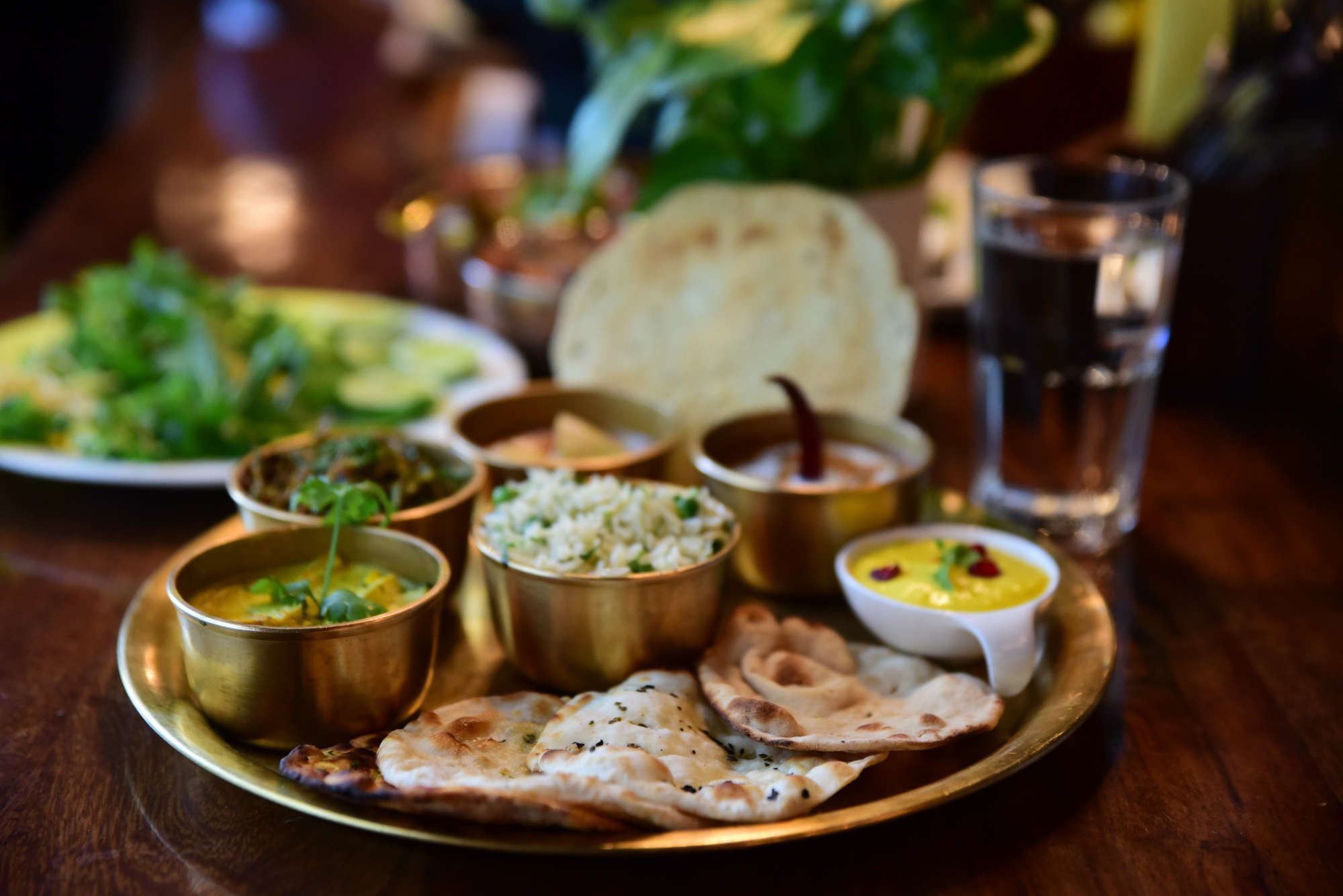
Thai green and red curries — the combination of chilli heat, coconut milk richness, and fragrant herbs (lemongrass, galangal, kaffir lime) is matched perfectly by an off-dry Riesling Spätlese. The wine’s fruit (peach, lime, green apple) echoes the dish’s aromatics; its sugar tempers the chilli; its acidity cuts through the coconut. This is one of the truly outstanding food and wine pairings in the world, endorsed by wine educators worldwide, and it is not widely enough known.
Indian cuisine: both the aromatic complexity (cardamom, coriander, turmeric, garam masala) and the heat of many Indian dishes find an ideal partner in off-dry Riesling. Chicken tikka masala, rogan josh, butter chicken, and korma all work well with a Spätlese or Kabinett. For vindaloo or very spicy dishes, a touch more sweetness (an Auslese-level Riesling or an off-dry Alsatian) handles the heat even more effectively.
Vietnamese and Chinese: Vietnamese dishes with their sweet-sour-salty balance (pho, spring rolls, bún bò huế) are natural Riesling territory. Peking duck with its sweet hoisin glaze and crispy skin is a classic match for an off-dry Riesling — the slight sweetness in both the wine and the dish creates harmony. Sichuan dishes, where mouth-numbing heat is balanced by aromatic spice, pair well with off-dry Riesling for the same reasons as Thai curry.
Pork with Sweet-Savoury Preparations
Off-dry Riesling excels alongside pork preparations that have a sweet or caramelised element: BBQ ribs, pulled pork with molasses, honey-glazed ham, pork belly with apple, and slow-roasted shoulder with fruit. The wine’s residual sugar bridges the sweetness in the cooking; the acidity handles the fat. This is a combination that surprises people who associate Riesling only with delicate fish dishes.
Washed-Rind and Pungent Cheeses
The classic Alsatian pairing for Riesling is the region’s washed-rind cheeses: Munster, Taleggio, Epoisses, Livarot. These pungent, intensely aromatic cheeses seem difficult — most wines are overwhelmed by them — but an off-dry Riesling handles them brilliantly. The sweetness in the wine creates a complementary contrast with the cheese’s salt and funk; the acidity refreshes the palate; and the wine’s own aromatics are strong enough to hold their own. This is another of Riesling’s great but underappreciated pairings.
Sweet Riesling: Desserts and Blue Cheese
Sweet Riesling — Auslese, Beerenauslese, Trockenbeerenauslese, and Eiswein — follows the standard rules for sweet wine pairing: the wine must be at least as sweet as the dish, or it will taste tart and thin by comparison.
Fruit-based desserts are the natural match: apple tart, apricot crumble, peach cobbler, fresh fruit salad. The wine’s own fruit character (peach, apricot, honey) echoes the dessert, and the acidity prevents the pairing from becoming cloying. Avoid pairing sweet Riesling with chocolate, coffee, or very rich cream desserts — these overwhelm the wine’s delicacy.
Blue and salty cheeses — the classic contrast pairing. Stilton, Roquefort, and Gorgonzola alongside a late-harvest or Auslese Riesling is a great dessert course combination: the wine’s sweetness contrasts with the cheese’s salt and pungency, and both are transformed in the process. The saltier the cheese, the sweeter the wine should be.
Foie gras — in Alsace, foie gras is often served with an off-dry or sweet Riesling rather than the more famous Sauternes. The wine’s acidity cuts through the extraordinary richness of the liver while the sweetness creates the sweet-savoury contrast that makes the pairing work. A truly great combination for those who eat it.
Riesling Styles by Region: Pairing Quick Reference
- Mosel Riesling (German, Kabinett) — light body, high acidity, off-dry. Best with: sushi, trout, salmon, Vietnamese food, light Thai dishes, asparagus, light poultry.
- Rhine Riesling (Pfalz, Rheingau) — fuller body than Mosel, ranging dry to sweet. Best with: roast pork, richer fish, cream sauces, mild Indian dishes, pungent cheeses.
- Alsatian Riesling (France) — dry to off-dry, fullest body, pronounced minerality. Best with: choucroute garnie, quiche, pork, rich seafood, washed-rind cheeses, foie gras.
- Clare/Eden Valley (Australia) — bone dry, high acidity, prominent lime. Best with: oysters, white fish, sushi, grilled prawns, Caesar salad.
- Spätlese and above (German, off-dry to sweet) — Best with: Thai curry, Indian spice, BBQ pork, Peking duck, pungent cheese, fruit tart.
- TBA / Eiswein (German, lusciously sweet) — Best with: fruit desserts, blue cheese, foie gras. Drink in small quantities after dinner.
What Doesn’t Work with Riesling
Riesling’s versatility is real, but there are a few systematic mismatches worth knowing.
- Very heavily spiced food with dry Riesling — dry Riesling lacks the sugar to temper serious heat. Move to off-dry for spicy dishes.
- Red meat with wine sauce — Riesling struggles alongside the deep, savoury flavours of a beef bourguignon or red wine braise. This is firmly red wine territory.
- Chocolate desserts with sweet Riesling — chocolate overwhelms Riesling’s delicate aromatics. Port, Banyuls, or a sweet Shiraz handle chocolate better.
- Very peppery dishes — excessive black pepper clashes with Riesling’s floral, citrus aromatics. Off-dry examples cope better than dry.
- Heavily tannic reds alongside — obvious, but worth stating: the wine you drink alongside Riesling at the same meal matters. Riesling’s delicacy can be overwhelmed if you alternate sips with a heavily tannic red.
For a deeper look at what makes Riesling so distinctive as a grape, and how the different regional styles compare, see our guide to aromatic white wines. For more on reading sweetness levels on labels and understanding dry vs off-dry, our explainer on dry wine covers the full sweetness spectrum.
Frequently Asked Questions
What food goes with Riesling?
Riesling pairs with an exceptionally wide range of foods, but the key is matching the sweetness level to the dish. Dry Riesling pairs best with seafood (oysters, sushi, trout, white fish), asparagus and vegetables, and pork. Off-dry Riesling (Kabinett, Spätlese) is outstanding with spicy Asian food (Thai curry, Indian dishes, Vietnamese cuisine), BBQ pork, Peking duck, and pungent washed-rind cheeses. Sweet Riesling works with fruit desserts and blue cheese. Riesling is one of the very few wines that successfully accompanies spicy food, making it uniquely useful at Asian restaurant tables.
Does Riesling go with spicy food?
Yes — off-dry Riesling is one of the best wines for spicy food, and arguably the most reliable. Its residual sugar tempers chilli heat; its very high acidity cuts through rich sauces and refreshes the palate between bites; and its low alcohol (typically 8–11%) doesn’t amplify the spice the way high-alcohol reds can. German Spätlese or Kabinett with Thai green curry, Indian tikka masala, or Sichuan dishes are outstanding combinations. Dry Riesling is less suited to very spicy food — move to off-dry when the heat level increases.
What cheese goes with Riesling?
The right cheese depends on the Riesling style. Dry Riesling pairs best with fresh, lighter cheeses: goat’s cheese, fresh mozzarella, feta, and mild soft cheeses. Off-dry Riesling (Kabinett, Spätlese) pairs with pungent washed-rind cheeses like Munster, Taleggio, Epoisses, and Livarot — the sweetness in the wine provides contrast to the cheese’s funk and salt. Sweet Riesling (Auslese and above) pairs with salty blue cheeses: Stilton, Roquefort, Gorgonzola. The general rule: the saltier and more pungent the cheese, the sweeter the Riesling should be.
Is Riesling good with fish?
Yes — dry Riesling is an excellent fish wine. Its high acidity and clean citrus-mineral character complement seafood without the weight or oak of Chardonnay. Oysters with a dry Mosel Riesling is one of wine’s great seafood pairings. Australian Clare Valley Riesling with grilled prawns or white fish is another reliable match. Sushi and sashimi work particularly well with both dry and off-dry Riesling. For richer fish preparations (smoked salmon, salmon with cream sauce), a slightly fuller Alsatian Riesling or a German Spätlese adds the body to match.
Can Riesling be paired with meat?
Yes, but with the right meat. Riesling’s best meat pairing is pork in almost any preparation: roast pork with apple, BBQ ribs, pulled pork, bratwurst, weisswurst, honey-glazed ham. The wine’s acidity cuts through pork fat and its fruit character complements the meat’s mild sweetness. Off-dry Riesling also works well with Peking duck, chicken in aromatic preparations, and quail. Riesling struggles with heavily sauced red meat dishes (beef braises, lamb shanks, red wine reductions) — these belong in red wine territory.
What is the difference between dry and off-dry Riesling for food pairing?
Dry Riesling (trocken, or Alsatian without a sweetness indication) has less than 9 g/L residual sugar and pairs like a crisp, aromatic dry white: best with delicate seafood, vegetables, lighter fish, and fresh cheeses. Off-dry Riesling (Kabinett, Spätlese, or wines labelled feinherb) has 20–60 g/L of residual sugar balanced by high acidity, which makes it taste less sweet than those numbers suggest — and makes it uniquely good with spicy food, richer pork dishes, and pungent cheeses. The same grape, two very different pairing personalities. Always check the label or ask the retailer which style you have before pairing.