Merlot tastes of plum, black cherry, and cocoa, with soft tannins and a velvety texture that make it one of the most immediately approachable red wines in the world. Those are the basics. But Merlot is also the world’s second most planted red grape, grown from Bordeaux to Napa to Chile to New Zealand, and the same grape in different places and different winemakers’ hands produces wines that can seem almost unrelated. The velvety, fruit-driven Merlot that became fashionable in California in the 1990s is a different experience to the structured, savoury Right Bank Bordeaux that inspired it. Understanding that spectrum is what makes Merlot genuinely interesting rather than merely easy to drink.
In this article
The Core Flavour Profile
Across all regions and styles, Merlot shares certain characteristics that are consistent enough to call defining.
Fruit Character
Merlot’s fruit is the first thing most people notice. In cooler-climate versions (Bordeaux, Washington State, cooler parts of Chile), the fruit tends toward red fruit: ripe cherry, red plum, raspberry, and occasionally strawberry. In warmer-climate versions (Napa Valley, parts of Australia), the fruit shifts darker and riper: blackberry, black cherry, black plum, and sometimes damson or black fruit compote. The fruit is always present and usually generous — Merlot is not a wine that hides its flavour — but whether it is light and juicy or deep and jammy depends on where the grapes grew.
Tannins and Texture: The Defining Quality
Merlot’s most distinctive structural feature is its tannins. The grape has thinner skins than Cabernet Sauvignon and fewer seeds, both of which reduce tannin extraction during winemaking. The result is tannins that are characteristically soft, round, and velvety rather than the firm, grippy, gum-drying tannins of Cabernet. This is the quality that makes Merlot approachable when young and accessible without food: the tannins do not demand to be softened by a fatty steak before they feel pleasant.
The texture of good Merlot is often described as plush, silky, or velvety — a smooth, full sensation in the mouth without rough edges. This is not the same as being simple or lacking structure. The best Merlots from Pomerol and Saint-Émilion have genuine complexity and age-worthiness alongside that characteristic softness.
Secondary and Tertiary Notes
Beyond the primary fruit, Merlot develops a range of secondary and tertiary characteristics depending on oak aging and bottle age:
- Oak-derived notes: vanilla, chocolate, mocha, cedar, clove, baking spice. Most Merlot sees some oak aging, and these notes are often present to some degree.
- Earthy notes: tobacco, leather, dried herbs, sometimes a subtle bay leaf or olive note, particularly in cooler-climate and Bordeaux-style examples.
- Floral notes: violet and dried rose are common in Merlot, particularly from Pomerol, where the grape’s aromatic complexity is at its most developed.
- With age: dried fruits (prune, fig), leather, mushroom, earth, and tobacco replace the fresh fruit of youth. A 15-year-old Right Bank Bordeaux is a much more complex, savoury wine than the same bottle at 3 years.
Acidity and Alcohol
Merlot has moderate acidity — less than Sangiovese or Nebbiolo, more than Grenache. The acidity is high enough to provide freshness and food-friendliness but low enough not to feel tart or demanding. This medium acidity, combined with the soft tannins, contributes significantly to Merlot’s approachability. Alcohol typically ranges from 13–14% in cooler-climate examples and 14–15% in warmer-climate ones. At the higher end, alcohol can create a slightly warm or heavy impression on the finish; the best warm-climate Merlots balance this with sufficient acidity and fruit concentration.
How Merlot Tastes by Region
Region is the single biggest determinant of what a Merlot will taste like. The same variety in different hands and different climates produces wines that can be difficult to identify as the same grape.
Bordeaux: The Original and the Benchmark
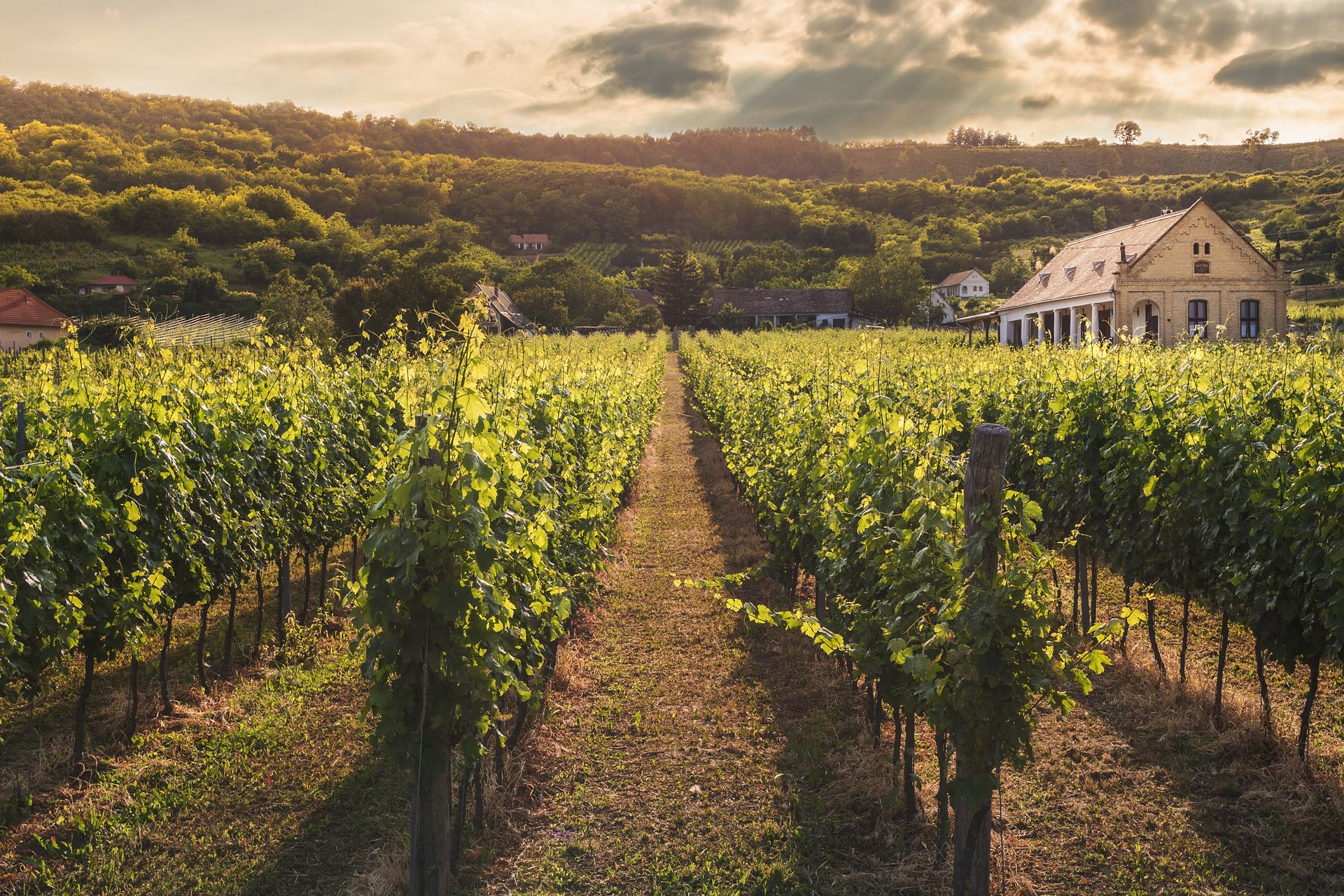
Merlot is the most planted grape in Bordeaux overall, and its heartland is the Right Bank — specifically Saint-Émilion and Pomerol. Here, Merlot grows in clay soils that retain moisture and help the grape develop its characteristic richness and depth.
Saint-Émilion Merlot is rich, full-bodied, and elegant, with red and dark fruit (cherry, plum), soft tannins, and — in the best examples — a complexity that develops toward cedar, tobacco, and dried fruit with age. The wines are generally more approachable younger than Left Bank Bordeaux.
Pomerol is the most prestigious Merlot appellation in the world, home to Pétrus — arguably the most famous and expensive wine on earth, made from almost entirely Merlot. Pomerol Merlot at its finest is extraordinarily complex: violets, black fruit, truffle, iron, and a silky, concentrated texture that develops over decades. It bears almost no resemblance to supermarket Merlot — same grape, different universe.
On the Left Bank, Merlot plays a supporting role in blends dominated by Cabernet Sauvignon. Its function is to soften tannins and add richness. Left Bank Merlot on its own is rarely bottled as a varietal; it exists in the context of the blend.
California: Ripe, Generous, Fruit-Forward
California Merlot — particularly from Napa Valley and Sonoma — became globally famous in the 1990s and early 2000s as the approachable alternative to Cabernet Sauvignon. The warm climate produces wines with deep colour, very ripe black fruit (blackberry, black cherry, plum jam), low acidity, very soft tannins, and prominent vanilla and mocha from new oak. Body is typically full. Alcohol is often 14.5% or above.
This is the style that suffered from the Sideways effect — the film’s dismissal of Merlot caused a temporary decline in its reputation in the US market. But California Merlot has always had advocates among those who prefer this generous, immediately pleasurable style over the more structured and demanding Cabernet. Washington State Merlot, grown on the drier, cooler east side of the Cascades, tends toward more acidity, firmer structure, and more interesting herbal and spice character than Napa.
Chile: Value and Freshness
Chilean Merlot from the Colchagua and Maipo Valleys offers some of the best value in Merlot globally. The wines are typically medium-to-full-bodied, with ripe dark fruit, reasonable acidity (the cool Pacific influence maintains freshness), and soft tannins. They are more restrained than California Merlot — less jammy, more structured — and often excellent value at £10–18. Chile was also the source of a famous botanical confusion: much of what was sold as Chilean Merlot before the 1990s turned out to be Carmenère, a distinct Bordeaux variety that had been assumed extinct.
Italy and Other Regions
In Tuscany, Merlot appears in the Super Tuscans — blends with Cabernet Sauvignon and Sangiovese — and in some varietal versions. Tuscan Merlot tends to be full-bodied with dark fruit and earthiness from the Italian terroir and winemaking approach. Northeast Italy (Friuli, Veneto) produces lighter, more herbal Merlots that resemble a restrained Bordeaux style. South Africa and New Zealand are producing increasingly interesting Merlots — South Africa with good structure and fruit concentration; New Zealand (particularly Hawke’s Bay) with elegant, medium-bodied styles that compare favourably to Saint-Émilion.
Merlot vs Cabernet Sauvignon: The Key Differences
These two grapes are genetically related (both have Cabernet Franc as a parent), frequently blended together, and often confused in blind tasting. The differences are real but sometimes subtle:
- Tannins: Merlot’s are softer, rounder, less grippy. Cabernet’s are firmer, more structured, and more demanding of food or age to integrate.
- Fruit: Merlot tends toward plum, black cherry, and red fruit; Cabernet toward blackcurrant (cassis), with darker, more savoury, graphite-edged fruit.
- Acidity: Cabernet Sauvignon tends to be higher in acidity, which contributes to its aging potential. Merlot is rounder and less tart.
- Herbal notes: Both can show green bell pepper in cooler climates (from the compound methoxypyrazine, which both inherited from Cabernet Franc), but it is generally more prominent in Cabernet.
- Ageing: Both age well, but top Cabernet typically ages longer. A great Pomerol Merlot can age for 20–30 years; a great Pauillac Cabernet can surpass 50 years in the finest vintages.
- Approachability: Merlot is almost always more immediately enjoyable than Cabernet at the same age, which is why it is often recommended to beginners and why it dominates entry-level Bordeaux production.
For a more detailed comparison of how the two grapes taste alongside each other, see our dedicated Malbec vs Cabernet guide, which covers the broader structural differences between approachable and structured reds.
What to Eat with Merlot
Merlot’s versatility at the table is one of its great strengths. The soft tannins mean it doesn’t require the rich, fatty food that Cabernet demands, and the moderate acidity makes it friendly across a wide range of dishes.
- Lighter Merlot (Bordeaux style, Chilean, cooler-climate): roast chicken and turkey, pork tenderloin, veal, salmon, mushroom dishes, pasta with meat or tomato sauce, mild cheeses.
- Fuller Merlot (California, warm-climate New World): beef steak, lamb, duck, venison, beef stew, hearty bean dishes, blue cheese, dark chocolate.
- Across both styles: mushrooms (Merlot has natural affinity with earthy mushroom character), roasted root vegetables, pizza, burger, and casual red meat preparations.
Merlot is also a natural choice for those new to red wine: its soft tannins, ripe fruit, and moderate acidity make it one of the most approachable red wine styles for a first introduction, as we cover in our guide to the best red wines for beginners.
Serving Merlot
Serve Merlot at 16–18°C. At room temperature in a warm room (20°C+) it can feel heavy and slightly alcoholic; slightly below room temperature brings out the fruit and keeps the wine feeling fresh. A brief 15-minute refrigerator rest before opening is often all it needs. Merlot benefits from a standard Bordeaux-style wine glass with a wide bowl that allows the wine to open up and release its aromas. Most Merlot does not require decanting, but a young, structured example from Pomerol or Saint-Émilion will open up and show more complexity after 30–60 minutes in a decanter.
Frequently Asked Questions
What does Merlot taste like?
Merlot tastes of plum, black cherry, and cocoa, with soft, velvety tannins and a round, smooth texture. Secondary notes of vanilla, mocha, and cedar often come from oak aging. In cooler climates like Bordeaux, Merlot shows more red fruit (cherry, red plum), earthy notes, and firmer structure. In warmer climates like California, it becomes darker and riper with blackberry and black plum, very soft tannins, and a more generous, fruit-forward character. It is typically dry, medium to full in body, with moderate acidity.
Is Merlot dry or sweet?
Merlot is almost always dry — it has no perceptible residual sugar. However, its ripe, generous fruit character (plum, black cherry, sometimes chocolate) can give the impression of sweetness even though no sugar is present. This fruit-forward quality is one of the reasons Merlot is so widely enjoyed: it tastes lush and rounded without actually being sweet. The soft tannins and moderate acidity reinforce this approachable, almost gentle impression.
Is Merlot high in tannins?
No — Merlot is a medium-tannin wine with characteristically soft, round tannins rather than the firm, grippy structure of high-tannin varieties like Cabernet Sauvignon, Nebbiolo, or Tannat. The reason is structural: Merlot has thinner skins and fewer seeds than Cabernet, both of which reduce tannin extraction. The tannins in Merlot are also molecularly different — smaller and differently shaped — producing a smoother, less astringent sensation. This is the primary reason Merlot is recommended to wine beginners and anyone who finds the drying sensation of tannic reds uncomfortable.
What is the difference between Merlot and Cabernet Sauvignon?
The main differences are tannin, fruit character, and structure. Merlot has softer, rounder tannins and tends toward plum and cherry fruit; Cabernet Sauvignon has firmer, more grippy tannins and tends toward blackcurrant (cassis), graphite, and cedar. Merlot is more approachable young and without food; Cabernet typically needs food or age to show at its best. Both share Cabernet Franc as a parent grape and are frequently blended together in Bordeaux, where Merlot softens Cabernet’s structure and adds richness. Merlot is the world’s second most planted red grape; Cabernet is first.
What food goes well with Merlot?
Merlot pairs well with a wide range of foods thanks to its soft tannins and moderate acidity. Lighter Bordeaux-style Merlot suits roast chicken, pork, veal, salmon, mushroom dishes, and pasta with meat or tomato sauce. Fuller California-style Merlot pairs with beef steak, lamb, duck, hearty stews, and strong cheeses. Merlot has a particular affinity for mushrooms: their earthy, umami character resonates with the wine’s own secondary notes. It also works well with burgers, pizza, and casual red meat preparations. Avoid very spicy food, which can amplify the alcohol and make the wine taste flat.
What is the best Merlot region?
Pomerol and Saint-Émilion on the Right Bank of Bordeaux are considered the finest Merlot regions in the world. Pomerol produces the most complex and age-worthy Merlot, including Pétrus — arguably the most famous wine on earth. Saint-Émilion produces elegant, rich, and accessible wines at a wider price range. For everyday drinking, Chilean Merlot from Colchagua or Maipo offers excellent value, and Washington State Merlot from Columbia Valley consistently delivers quality and character. California Merlot from Napa Valley is riper and more full-bodied for those who prefer that style.