The ABV on a wine label is not just a legal requirement — it is useful information. The alcohol content of a red wine tells you roughly how full-bodied it will feel, how warming the finish is likely to be, how well it will pair with food, and sometimes which climate the grapes came from. Most red wine falls between 12% and 15% ABV, but the difference between an 11.5% Beaujolais and a 16% Barossa Shiraz is the difference between a light, refreshing aperitif and a powerful, food-demanding full-bodied wine. Understanding that spectrum — and what causes it — makes every label easier to read.
In this article
What ABV Means
ABV stands for alcohol by volume: the percentage of pure ethanol in 100ml of wine. A wine labelled 13% ABV contains 13ml of pure alcohol in every 100ml — or approximately 10ml of alcohol in a standard 75ml glass. ABV is the universal standard for measuring alcohol content in wine across every producing country.
One practical note on label accuracy: by law in most countries, the stated ABV may differ from the actual content by up to ±1.5%. A wine labelled 13% could legally be anywhere from 11.5% to 14.5%. This legal tolerance exists because alcohol content is measured before bottling and can shift slightly. Most reputable producers label within 0.5% of the actual figure, but for wines at the edges of the range, this matters.
What Determines a Red Wine’s Alcohol Content
Alcohol in wine comes from one source: yeast consuming grape sugar during fermentation and converting it to ethanol. The more sugar in the grapes at harvest, the higher the potential alcohol in the finished wine. Three main factors determine how much sugar the grapes contain:
Climate
This is the most important factor. Warmer climates produce grapes that ripen more fully, accumulating more sugar before harvest. A Cabernet Sauvignon from Napa Valley — where summer temperatures regularly exceed 35°C — typically produces a wine at 14.5–15.5% ABV. The same grape from Bordeaux, where the climate is significantly cooler, typically produces a wine at 13–13.5%. Same variety, different climates, meaningfully different alcohol levels. This is the underlying reason why New World wines are often higher in alcohol than Old World wines from the same variety.
Grape Variety
Different grape varieties have different sugar potential — how much sugar they accumulate naturally at full ripeness. Zinfandel and Grenache are naturally high-sugar grapes that regularly produce wines above 14.5%. Gamay and Pinot Noir are naturally lower-sugar varieties that produce lighter wines even in warm conditions. This is why grape variety and climate work together: a naturally low-sugar grape in a warm climate may still produce a wine at 13.5%, while a naturally high-sugar grape in a cool climate may struggle to reach 12%.
Winemaking Decisions
The winemaker can influence the final ABV in several ways:
- Halting fermentation early: stopping fermentation before all the sugar is consumed leaves residual sugar and lowers ABV. Used for sweet wines.
- Chaptalization: adding sugar before fermentation to boost potential alcohol. Legal in cooler European regions (Burgundy, Germany) where underripe grapes may not have enough sugar naturally. Not permitted in Italy, Spain, or California.
- Fortification: adding grape spirit after fermentation to raise ABV to 17–22%. Used for Port, Sherry, and Madeira.
- Alcohol removal: modern technology allows some alcohol to be removed from wine after fermentation, producing “reduced alcohol” wines. These are technically possible across all styles but are not mainstream in quality wine production.
Red Wine ABV by Style: The Full Spectrum
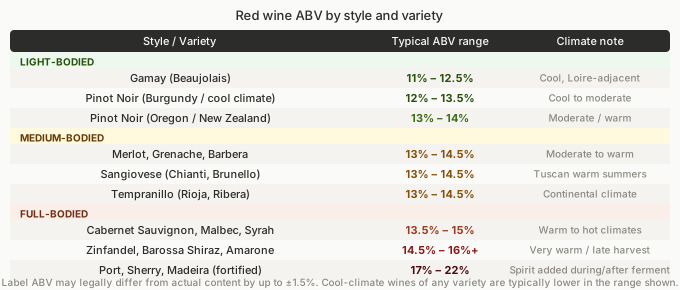
Light-Bodied Reds: 11–13.5% ABV
Light-bodied reds are the lowest in alcohol of the table wine category. Their lower ABV is directly linked to their light, refreshing character: less alcohol means less weight and warmth in the mouth, more prominent acidity, and a wine that feels closer to a rich fruit juice than a full red wine.
- Gamay (Beaujolais): 11–12.5% ABV. The lightest major red wine grape, particularly in the carbonic maceration style of Beaujolais. Serve slightly chilled. A Beaujolais-Villages at 11.5% is one of the lowest-alcohol quality red wines you will encounter.
- Pinot Noir (Burgundy, cool-climate): 12–13.5% ABV. Burgundy’s continental climate and early harvest tradition keep alcohol moderate. A village Burgundy at 12.5% is typical; premier and grand cru wines often reach 13.5% due to better vineyard sites and riper fruit.
- Schiava (Alto Adige): 11–12.5% ABV. One of Italy’s lightest red grapes, producing very pale, very light wines in the Germanic-influenced north.
- Frappato (Sicily): 12–13% ABV. A lighter Sicilian variety, increasingly popular for its pale colour and refreshing acidity despite the warm Sicilian climate.
Medium-Bodied Reds: 13–14.5% ABV
This is the largest and most commercially important ABV bracket in red wine. The majority of everyday red wine sold globally falls in this range — wines balanced enough to be versatile, substantial enough to be satisfying, and accessible without demanding either chilling or a rich fatty meal.
- Merlot: 13–14.5% ABV. The softness of the grape’s tannins is matched by a moderate alcohol that avoids heaviness. Bordeaux Right Bank Merlot sits toward the lower end; California Merlot toward the higher. Our Merlot taste guide covers the full style range.
- Grenache / Garnacha: 13.5–15% ABV. Grenache is a naturally high-sugar grape — even in the warm climates where it thrives, the wines often feel generous and warming. Châteauneuf-du-Pape at 14.5% is typical; Spanish Garnacha can push to 15% in hot Priorat.
- Sangiovese (Chianti, Brunello): 13–14.5% ABV. Tuscany’s hot summers push ripeness but the grape’s natural high acidity keeps the wine feeling fresh rather than heavy. Brunello di Montalcino, which requires extended ageing, often reaches 14.5%.
- Tempranillo (Rioja, Ribera del Duero): 13–14.5% ABV. Spain’s continental climate produces wines of good body with moderate alcohol. Crianza-level wines sit lower in the range; Gran Reserva aged wines often push higher from more concentrated, riper fruit.
- Barbera: 13–14% ABV. Despite Piedmont’s moderate climate, Barbera’s naturally high sugar accumulation produces wines of solid alcohol despite being relatively light in tannin.
- Pinot Noir (Oregon, New Zealand, warm-climate): 13–14% ABV. The warmer conditions compared to Burgundy push Pinot Noir toward the medium-bodied bracket even in what remain relatively cool New World climates.
Full-Bodied Reds: 13.5–15%+ ABV
Full-bodied reds occupy the upper end of the unfortified table wine range. Their higher alcohol — combined with high tannin and dense dark fruit — creates the rich, powerful, warming character that defines the style. These wines almost always benefit from food, and most reward some degree of ageing. For a full breakdown of what makes a red wine full-bodied, see our full-bodied red wine guide.
- Cabernet Sauvignon (Bordeaux): 13–13.5% ABV. Bordeaux’s relatively cool climate keeps Cabernet at the lower end of what is still a structured, firm wine. The tannins provide the weight; the alcohol is more restrained than New World counterparts.
- Cabernet Sauvignon (Napa Valley): 14–15.5% ABV. The warmth of Napa produces significantly riper grapes. The higher alcohol amplifies the rich, plush fruit character and creates the warming finish that defines the California style.
- Syrah (Northern Rhône): 13–14% ABV. Despite producing intensely flavoured, structured wines, Northern Rhône Syrah is often not particularly high in alcohol. The power comes from concentrated fruit and firm tannins rather than weight from alcohol.
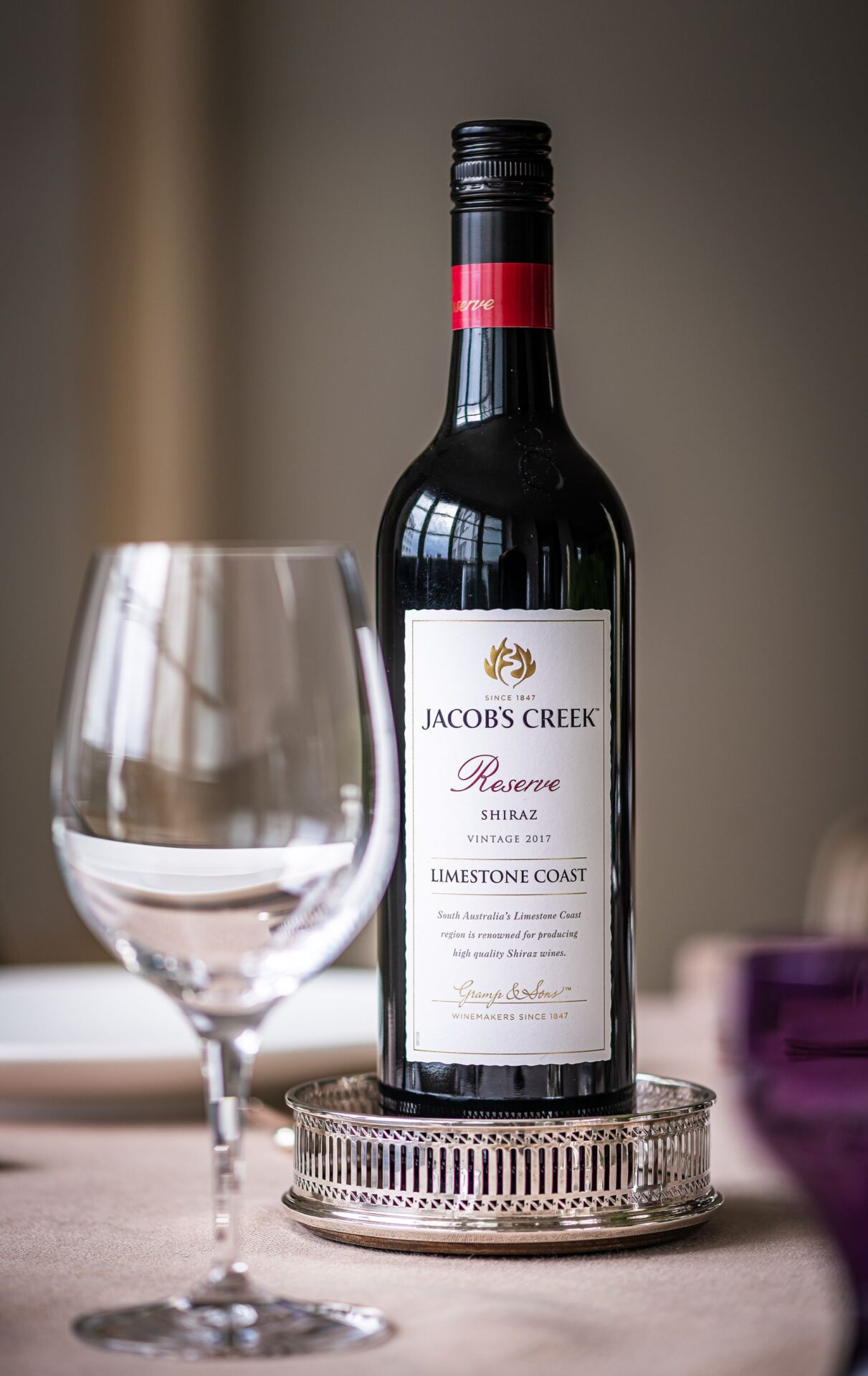
- Shiraz (Barossa Valley, Australia): 14.5–16% ABV. The opposite end of the same grape. Barossa’s extreme heat produces very ripe fruit with very high sugar, making Barossa Shiraz among the highest-alcohol unfortified red wines produced anywhere.
- Malbec (Mendoza high altitude): 13.5–15% ABV. Argentina’s high-altitude vineyards in the Uco Valley have become celebrated for producing Malbec at 14–14.5% with more freshness than lower-altitude examples.
- Barolo / Nebbiolo: 13.5–15% ABV. Barolo must reach a minimum of 13% ABV by regulation. The naturally high tannins of Nebbiolo create a wine of significant structure even at moderate alcohol levels.
High-Alcohol Reds: 15–16%+ ABV
- Zinfandel (California): 14.5–16.5% ABV. Zinfandel’s naturally very high sugar accumulation and the warm California growing conditions regularly produce wines above 15%. Some old-vine Zinfandels push 17%. These are among the most powerful unfortified red wines made commercially.
- Amarone della Valpolicella: 15–17% ABV. Made from partially dried grapes (the appassimento process concentrates sugar dramatically), Amarone routinely exceeds 15% ABV and can reach 17%. It is technically an unfortified wine despite its power.
- Priorat (Garnacha / Carignan, Spain): 14.5–16% ABV. Old vines on slate soils produce wines of extraordinary concentration and intensity, with corresponding high alcohol.
Fortified Red Wines: 17–22% ABV
Fortified wines are in a separate category entirely. Grape spirit is added during or after fermentation, raising the ABV far beyond what natural fermentation can achieve. Ruby Port and Reserve Port typically sit at 19–20% ABV; Tawny Port at 19–20%; Vintage Port at 20–21%. These are served in smaller measures (75ml rather than 150ml) because their alcohol content makes a standard pour approximately 1.5–2 standard drinks.
How Alcohol Affects What Red Wine Tastes Like
Alcohol is not just a strength measurement — it is a fundamental part of a wine’s flavour and texture profile:
- Body: higher ABV directly creates a heavier, more coating sensation in the mouth. Alcohol molecules are heavier than water, so a 15% wine literally feels heavier than a 12% wine. This is the primary reason full-bodied reds are high in alcohol.
- Warmth: alcohol creates a warming sensation at the back of the throat and chest. In a balanced wine, this is a pleasant secondary sensation; in an unbalanced wine, it dominates and feels “hot” or “burning”.
- Flavour intensity: alcohol is a solvent that extracts and carries aromatic and flavour compounds. Higher-alcohol wines tend to show more intense, pronounced fruit and secondary flavours.
- Perception of sweetness: alcohol can create an impression of richness or sweetness even in a bone-dry wine. This is why a dry 15% Cabernet can taste richer and more “rounded” than a dry 12% Pinot Noir, despite both being technically dry.
- Balance: the key is integration. A 15% wine with sufficient tannin, acidity, and fruit concentration can feel well-balanced; the same ABV in a wine lacking structure will feel alcoholic and hot. A great Barossa Shiraz at 15.5% is often more comfortable to drink than a poorly made 13.5% wine where the alcohol sticks out.
Reading the Label: Practical Guidance
The ABV on the label gives you a reliable first orientation about the wine before you open it:
- Under 12.5%: expect a light-bodied red, high acidity, gentle tannins, refreshing. Good for casual drinking, lighter food. Serve slightly below room temperature.
- 12.5–13.5%: medium-light bodied, versatile, easy to drink, suits a wide range of food. Most everyday drinking reds.
- 13.5–14.5%: medium to full bodied, firm tannins, pairs best with red meat and rich food. The mainstream quality red wine range.
- 14.5–16%: full to very full bodied, high tannin, demands rich food and/or significant age. A serious wine that rewards attention and the right occasion.
- Above 16% (unfortified): exceptional — Amarone, old-vine Zinfandel, very ripe Shiraz. Treat as you would a fortified wine for serving size.
ABV is one of the most reliable quick signals on a wine label alongside the grape variety and region. For a broader guide to using all three pieces of label information together, see our wine varieties guide and our full-bodied red wine guide which explains in detail how alcohol, tannin, and extract combine to create the sensation of body.
Frequently Asked Questions
What is the average alcohol content of red wine?
The average ABV of red wine is approximately 13.5%, with most table red wine falling in the 12% to 15% range. Light-bodied reds like Gamay and Pinot Noir (cooler climates) typically sit at 11.5% to 13%. Medium-bodied reds like Merlot, Sangiovese, and Tempranillo typically sit at 13% to 14.5%. Full-bodied reds like Cabernet Sauvignon, Syrah, and Malbec typically reach 13.5% to 15.5%. High-alcohol exceptions like Amarone and Barossa Shiraz can exceed 16%. Fortified wines (Port, Sherry, Madeira) are in a different category at 17% to 22%.
What red wine has the highest alcohol content?
Among unfortified table wines, Amarone della Valpolicella (15 to 17% ABV) and old-vine California Zinfandel (14.5 to 16.5% ABV) are consistently among the highest-alcohol red wines commercially produced. Barossa Valley Shiraz regularly reaches 15 to 16% ABV. Among fortified wines, Vintage Port typically reaches 20 to 21% ABV. Madeira and some Oloroso Sherries can reach 22%. The theoretical limit for fermentation-produced alcohol is around 16 to 17% ABV before the alcohol itself kills the yeast — beyond that, fortification is required.
Does higher ABV mean better red wine?
No. ABV is not an indicator of quality. A great Burgundy Pinot Noir at 12.5% is a superior wine to a poorly made 15% Cabernet. Alcohol content reflects the sugar level in the grapes at harvest, which reflects climate and ripeness — not quality. What matters is balance: a well-made 15% wine integrates the alcohol seamlessly into the fruit, tannin, and acidity so it is not noticeable on its own. A poorly made 13% wine may feel alcoholic and hot if the fruit is thin. The relationship between ABV and quality is the relationship between any structural element and the wine’s overall balance.
What red wine is lowest in alcohol?
Among mainstream quality reds, Gamay from Beaujolais is the lowest in alcohol — typically 11% to 12.5% ABV. Schiava from Alto Adige in northern Italy is similarly light at 11% to 12.5%. Light Pinot Noir from Burgundy or other cool climates regularly sits at 12% to 12.5%. If you want a lower-alcohol red wine experience, these are the best starting points. In terms of commercially produced wine further below the table wine range, some Italian Lambrusco Dolce (sparkling red) sits at 8% ABV, though this is a sweet style. Reduced-alcohol table wines produced using alcohol removal technology also exist, some as low as 9% ABV, but these are not standard quality-wine category products.
Why does red wine have more alcohol than white wine?
How much alcohol is in a glass of red wine?
A standard glass of red wine (150ml, the typical restaurant pour) at 13% ABV contains approximately 19.5ml of pure alcohol, which equates to roughly 1.5 UK units or 1.5 US standard drinks. At 15% ABV, the same pour contains 22.5ml of pure alcohol — approximately 1.8 UK units. This is why higher-ABV wines are best sipped slowly and in smaller quantities: a 150ml pour of 15% Barossa Shiraz contains significantly more alcohol than the same pour of a 12% Pinot Noir, even though the glass looks identical.