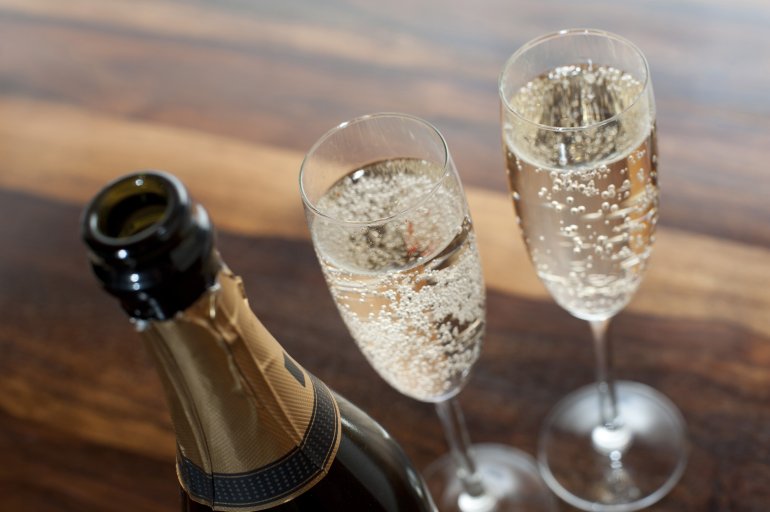
Say “French sparkling wine” and almost everyone thinks of one thing. But Champagne is responsible for only a fraction of the sparkling wine France actually produces, and the country has at least nine other regions making traditional-method bubbly — some of it arguably older than Champagne itself. These wines use the same fundamental technique (the grapes are hand-harvested, the wine undergoes a second fermentation inside the bottle, and the resulting carbon dioxide creates the bubbles), but they come from different grapes, different terroirs, and different price points, often delivering genuine quality at a third to half the cost of Champagne.
In this article
- 1 Limoux: The Real Birthplace of Sparkling Wine?
- 2 Understanding Crémant: France’s Generic Term for Quality Sparkling
- 3 France’s Sparkling Wine Regions, One by One
- 4 How French Sparkling Beyond Champagne Compares
- 5 Food Pairing by Style
- 6 Frequently Asked Questions
- 6.1 What is the best French sparkling wine besides Champagne?
- 6.2 What is Crémant and how does it differ from Champagne?
- 6.3 Which French region made sparkling wine before Champagne?
- 6.4 What is the difference between Blanquette de Limoux and Crémant de Limoux?
- 6.5 Is Crémant as good as Champagne?
- 6.6 What grapes are used in French sparkling wine outside Champagne?
Limoux: The Real Birthplace of Sparkling Wine?
One of the most interesting facts in French wine history rarely makes it into the popular Champagne narrative: Limoux, in the Languedoc-Roussillon region of southern France, has documented sparkling wine production dating to 1531 — nearly a century and a half before Dom Pérignon began his famous work in Champagne. Benedictine monks at the Abbey of Saint-Hilaire near Limoux described the production and distribution of a sparkling wine they called “Blanquette” (old French for “the small white”), making it one of the earliest written records of intentional sparkling winemaking anywhere in the world.
The Limoux vineyards sit in the foothills of the Pyrenees, at altitudes and with wind exposure that keep the climate cooler than the surrounding hot Mediterranean region would suggest — cool enough, in fact, to produce wines with the freshness and acidity that sparkling wine needs, despite being roughly 700km south of Champagne. Because of this history, Blanquette became one of the first Appellations d’Origine Contrôlée in the Languedoc region, in 1938.
Understanding Crémant: France’s Generic Term for Quality Sparkling
Crémant is the umbrella legal term for French traditional-method sparkling wine made outside Champagne. The designation requires hand-harvested grapes, the traditional method (second fermentation in bottle), and a minimum lees ageing period (generally nine months, though some regions and quality tiers require considerably more). Crémant appellations now exist for Loire, Bourgogne (Burgundy), Alsace, Limoux, Bordeaux, Die, Jura, and Savoie.
The term has an interesting backstory: it was originally used informally within Champagne itself, for wines made with slightly less pressure and a softer mousse than standard Champagne. When the EU banned the term méthode champenoise for any wine made outside Champagne in the late 1980s, the Champagne houses lobbied to claim “crémant” for their own use was discontinued, and the term was reassigned exclusively to quality traditional-method sparkling wine from outside the region. Crémant de Bourgogne and Crémant d’Alsace were the first to formalise under the new system in the mid-1970s; Crémant de Limoux and Crémant de Bordeaux followed in 1990; Crémant de Die in 1993; Crémant du Jura in 1995; Crémant de Savoie as recently as 2014.
France’s Sparkling Wine Regions, One by One
Loire Valley: Crémant de Loire and Vouvray Mousseux
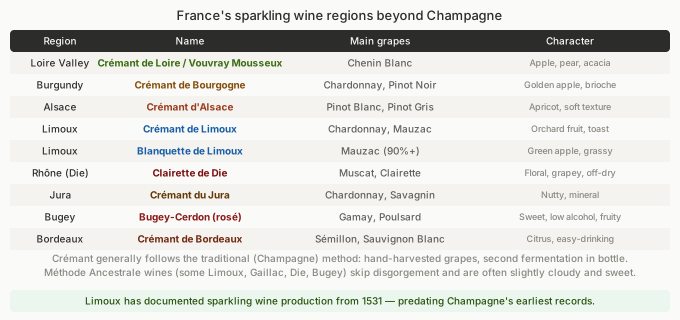
The Loire is France’s largest sparkling wine producer outside Champagne, and its wines are built primarily around Chenin Blanc, the region’s signature white grape. Crémant de Loire spans the Anjou-Saumur and Touraine areas and can include Chardonnay and Cabernet Franc alongside Chenin Blanc; it must be aged on lees for a minimum of nine months and offers floral, orchard-fruit character (apple, pear, acacia blossom) with bright acidity.
Vouvray Mousseux is a separate, narrower designation — 100% Chenin Blanc from the Vouvray appellation specifically, often with longer lees ageing (12 months or more) than standard Crémant, producing a slightly heavier, more aromatic style with honeyed, quince, and chamomile notes alongside the characteristic Chenin acidity. Saumur Mousseux is the Loire’s largest single sparkling appellation by volume, also Chenin-based with supporting Chardonnay and Cabernet Franc for rosé versions.
Burgundy: Crémant de Bourgogne
Made primarily in the Côte Chalonnaise from Burgundy’s two signature grapes, Chardonnay and Pinot Noir — the same varieties used in Champagne. The wines range from Blanc de Blancs (pure Chardonnay) to Blanc de Noirs (pure Pinot Noir) to standard blends and rosé. Expect golden apple, brioche, lemon zest, and sometimes an oyster-shell minerality reminiscent of the region’s limestone soils. Premium tiers exist: Crémant de Bourgogne Eminent requires a minimum 24 months on lees; Grand Eminent requires 36 months and further quality restrictions, putting it in genuine Champagne-rivalling territory.
Alsace: Crémant d’Alsace
The best-selling Crémant in France by volume. Made mainly from Pinot Blanc and Pinot Gris, with a soft, slightly aromatic character that often shows apricot and white peach alongside fine, creamy bubbles. A rosé version made entirely from Pinot Noir delivers raspberry and cherry fruit with elegant texture. Alsace’s Crémant is widely regarded as offering excellent value and consistency, and is an easy entry point for those new to French sparkling wine outside Champagne.
Limoux: Crémant de Limoux and Blanquette de Limoux
Limoux produces two distinct sparkling wines worth distinguishing carefully. Blanquette de Limoux is made from at least 90% Mauzac, the region’s indigenous grape, with supporting Chenin Blanc and Chardonnay. It delivers a distinctive green apple, pear, and slightly grassy or vegetal character that is genuinely unlike any other French sparkling style. Crémant de Limoux, created later (1989/1990) as a more internationally-styled alternative, is Chardonnay-dominant with Chenin Blanc and a smaller proportion of Mauzac and Pinot Noir — producing a leaner, drier, more citrus-and-toast profile closer to what most people expect from a quality sparkling wine.
A third, rarer style worth knowing: Méthode Ancestrale Blanquette — made by bottling the wine while still actively fermenting, with no disgorgement, resulting in a cloudy, naturally sweet, low-alcohol wine (around 7% ABV) with apple, apricot, and floral notes. This predates the traditional method entirely and represents the oldest continuous style of sparkling winemaking in France.
The Rhône: Clairette de Die
From the small town of Die in the eastern Rhône, near the Alps. Clairette de Die Tradition is made using the Méthode Ancestrale (no disgorgement, similar to traditional Blanquette) primarily from Muscat grapes (a minimum of 75%) with Clairette making up the balance — producing a distinctively floral, grapey, gently sweet sparkling wine unlike anything else in France. A separate, drier Crémant de Die exists, made exclusively from the Clairette grape using the standard traditional method.
Jura and Bugey: The Wine Geek’s Sparkling Wines
Crémant du Jura uses Chardonnay as its primary grape, with Pinot Noir, Trousseau, and the region’s distinctive Savagnin grape adding a nutty, mineral complexity unlike any other French Crémant. The Jura’s broader reputation for distinctive, terroir-driven wines (this is also the home of the unusual oxidative Vin Jaune) extends to its sparkling production.
Bugey-Cerdon, near the Swiss border, is something genuinely different: a pale, fruity, low-alcohol (around 7–9%) sparkling rosé made from Gamay and Poulsard using the Méthode Ancestrale. It is sweet, deliciously simple, and an excellent introduction for those who find dry sparkling wines too austere. Bugey became a full Crémant appellation only in 2009, one of the country’s newest.
Bordeaux: Crémant de Bordeaux
A region famous for red wine also makes a small quantity of sparkling, primarily from Sémillon and Sauvignon Blanc. The category remains relatively undefined by strict regulation compared to other Crémant appellations, and the wines are generally pleasant and easy-drinking rather than a serious rival to the Loire, Burgundy, or Limoux versions — though a newer generation of producers is working to change that.
How French Sparkling Beyond Champagne Compares
- Price: Crémant typically runs £10–20, roughly a third to half the price of entry-level Champagne, which usually starts around £30–40.
- Method: nearly identical — most Crémant uses the same traditional method, hand-harvesting, and lees ageing principles as Champagne, just with shorter minimum ageing periods (9 months vs Champagne’s 15-month minimum for NV) and different grape allowances.
- Style: more variable than Champagne, because each region uses different grapes suited to its own terroir. This is an advantage for exploration — a Crémant d’Alsace and a Crémant de Bourgogne taste meaningfully different, offering more stylistic range than Champagne’s relatively consistent house styles.
- Quality ceiling: top-tier Crémant (Grand Eminent Bourgogne, the best Crémant de Limoux, serious Vouvray Mousseux) can rival good non-vintage Champagne. It rarely reaches the complexity of prestige cuvee or vintage Champagne, but for everyday drinking and most celebrations, the gap is often smaller than the price difference suggests.
For a detailed comparison of Champagne against Italy’s Prosecco and Spain’s Cava, see our Prosecco vs Champagne vs Cava guide. For everything specific to non-vintage Champagne itself, our guide to NV Champagne covers the production detail in full. Wine Folly’s regional breakdown is a useful complementary resource for further exploration.
Food Pairing by Style
- Crémant de Loire / Vouvray Mousseux: sushi, tempura, fried chicken, goat cheese. The Chenin Blanc acidity cuts through fried and fatty food brilliantly.
- Crémant de Bourgogne: oysters, seafood, soft cheese, light starters. Similar pairing logic to Champagne given the shared grape varieties.
- Crémant d’Alsace: choucroute, charcuterie, Alsatian tarte flambée, mild Asian dishes. Pairs naturally with the region’s own rich cuisine.
- Blanquette / Crémant de Limoux: tapas, light goat cheese, fresh seafood, aperitif on its own.
- Clairette de Die / Bugey-Cerdon: fresh fruit desserts, light pastry, brunch. Their sweetness makes them a natural dessert wine alternative.
Frequently Asked Questions
What is the best French sparkling wine besides Champagne?
There is no single best, but the most consistently praised options are Crémant de Bourgogne (made from the same Chardonnay and Pinot Noir grapes as Champagne, particularly the Eminent and Grand Eminent quality tiers), Crémant de Limoux (from the region with the oldest documented sparkling wine production in France, dating to 1531), and Vouvray Mousseux (a distinctive, food-friendly Chenin Blanc style from the Loire Valley). Crémant d’Alsace is the best-selling and most consistently good-value option for everyday drinking.
What is Crémant and how does it differ from Champagne?
Crémant is the legal term for French traditional-method sparkling wine made outside the Champagne region. It uses the same fundamental production method (hand-harvested grapes, second fermentation inside the bottle) but allows different grape varieties depending on the region — Chenin Blanc in the Loire, Pinot Blanc and Pinot Gris in Alsace, Mauzac and Chardonnay in Limoux — and requires a shorter minimum lees ageing period (typically 9 months versus Champagne’s 15-month minimum). Crémant is typically priced at a third to half of entry-level Champagne, making it one of the best value categories in French wine.
Which French region made sparkling wine before Champagne?
Limoux, in the Languedoc-Roussillon region of southern France, has documented sparkling wine production dating to 1531, when Benedictine monks at the Abbey of Saint-Hilaire described making a sparkling wine they called Blanquette. This predates the most commonly cited Champagne sparkling wine history by over a century, though both regions’ early sparkling production was somewhat accidental — a result of fermentation continuing inside the bottle during cold winters and resuming in spring. Limoux’s claim to being sparkling wine’s true birthplace remains a point of regional pride and ongoing debate among wine historians.
What is the difference between Blanquette de Limoux and Crémant de Limoux?
Blanquette de Limoux is the older, more traditional style, made from at least 90% Mauzac, a local grape, producing a distinctive green apple, pear, and slightly grassy character. Crémant de Limoux, created later in 1989/1990, is Chardonnay-dominant with supporting Chenin Blanc and a smaller proportion of Mauzac and Pinot Noir, producing a leaner, more citrus-driven style closer to what most drinkers expect from a quality sparkling wine. Both come from the same region and use the traditional method, but they taste meaningfully different and represent two distinct chapters in Limoux’s long sparkling wine history.
Is Crémant as good as Champagne?
Quality Crémant, particularly from the premium tiers (Crémant de Bourgogne Grand Eminent, the best Crémant de Limoux, serious Vouvray Mousseux), can rival good non-vintage Champagne in quality, especially relative to price. It generally does not reach the complexity and depth of prestige cuvee or vintage Champagne, which benefit from Champagne’s specific terroir, longer ageing requirements, and centuries of refined production technique. For everyday drinking, aperitifs, and most celebrations, Crémant offers excellent value and quality that punches well above its price point.
What grapes are used in French sparkling wine outside Champagne?
It varies significantly by region: Chenin Blanc dominates in the Loire Valley (Crémant de Loire, Vouvray Mousseux); Chardonnay and Pinot Noir in Burgundy (Crémant de Bourgogne) and Jura; Pinot Blanc and Pinot Gris in Alsace; Mauzac and Chardonnay in Limoux; Muscat and Clairette in Die; Gamay and Poulsard in Bugey-Cerdon; and Sémillon and Sauvignon Blanc in Bordeaux. This grape diversity is one of the appeals of exploring French sparkling wine beyond Champagne — each region offers a genuinely distinct flavour profile rather than a variation on the same theme.