Ask why a snappy Muscadet works with oysters but a big, buttery Chardonnay does not, and the answer is never mystique — it is chemistry, wearing a napkin. Wine pairing principles get a reputation for being intimidating mostly because they are usually taught as a long list of specific pairings to memorise, rather than the handful of underlying rules that generate all of them. In reality there are only a few variables in play: how acidic the wine is, how much tannin it carries, how sweet it is, how heavy it feels in the mouth, and what the food puts on the other side of the scale. Once you can read those things in a glass and on a plate, most pairings that used to feel random start to make obvious sense — and so do the handful that are genuinely built to be broken. This guide sets out the actual wine pairing principles in full, the reasoning behind each one, and exactly where the rules bend.
In this article
- 1 The Wine Pairing Principles, in Brief
- 2 Two Ways to Build a Pairing
- 3 The Elements That Actually Matter
- 4 Match the Sauce, Not Just the Protein
- 5 “What Grows Together, Goes Together”
- 6 Where Pairings Go Wrong
- 7 The One Rule That Overrides Every Other Wine Pairing Principle
- 8 Frequently Asked Questions About Wine Pairing Principles
- 8.1 What are the basic wine pairing principles?
- 8.2 Why does wine need to be sweeter than the dessert it’s served with?
- 8.3 Why does tannin pair well with fatty food but clash with spicy food?
- 8.4 What’s the difference between a matching and a contrasting wine pairing?
- 8.5 Why do foods like asparagus and artichoke make wine taste strange?
- 8.6 Is there really a single correct wine for any given dish?
The Wine Pairing Principles, in Brief
Before the full explanation, here is the short version — the part worth remembering even if you forget everything else on this page:
- Match the weight. Light wine with light food, full-bodied wine with rich food.
- Acid needs acid. The wine should be at least as acidic as the dish, or it will taste flat and dull.
- Tannin wants protein and fat. It clashes badly with bitter or very spicy food.
- Sweetness must win. The wine should be at least as sweet as the food, especially at dessert.
- Salt is wine’s best friend. It softens tannin and lifts both acidity and sweetness.
- Pair the sauce, not the protein. Cooking method changes a dish more than the base ingredient does.
- When in doubt, go high-acid and low-tannin. Those styles flex across the widest range of food.
- Your own taste outranks every rule here. A pairing you enjoy has already succeeded.
The rest of this guide explains why each of these wine pairing principles works, not just that it does — because the reasoning is what lets you handle the dish that is not on any chart.
Two Ways to Build a Pairing
Before getting into individual elements, it helps to know that professional pairings are built one of two ways, and most good wine lists mix both without ever naming them.
Matching pairings reinforce a flavour or texture that the wine and dish already share. A buttery, oaked Chardonnay poured alongside a creamy mushroom risotto is a matching pairing: both are rich and round, and together they amplify that richness. An earthy Pinot Noir next to a mushroom-based dish works the same way, echoing the same savoury note on both sides of the table.
Contrasting pairings use a difference between wine and food to create balance instead. A crisp, high-acid Sauvignon Blanc cutting through the oil of a fried dish is a contrasting pairing: the wine brings something the food does not have, and the two even each other out. A touch of sweetness in a Riesling working against the heat of a curry is the same principle applied to spice instead of fat.
Neither approach is more correct than the other. Matching pairings tend to feel seamless and safe; contrasting pairings tend to feel more dramatic and can go further in either direction — spectacular when they land, and more noticeable when they miss. Knowing which one you are attempting is often the difference between a deliberate pairing and a lucky guess. Wine Folly calls these same two strategies congruent and complementary pairing, and its getting-started guide to food and wine pairing breaks the underlying flavour components down in more granular detail than this page covers.
The Elements That Actually Matter
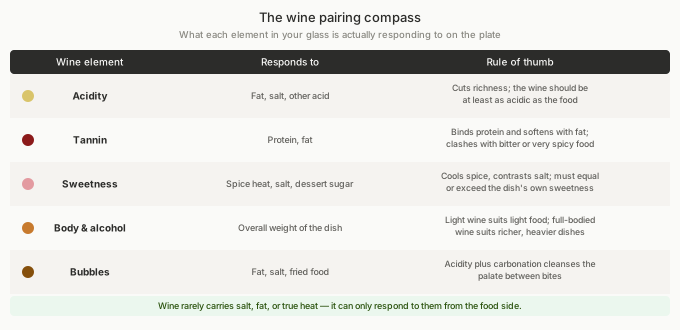
Wine brings a narrow set of structural elements to the table: acidity, tannin, sweetness, alcohol, and body. Food brings a wider set, including several — salt, fat, and true spicy heat — that wine essentially never has on its own. Every wine pairing principle below is really just describing how one side’s elements react with the other’s.
Acidity
Acidity is the workhorse of wine pairing. It does two distinct jobs: it cuts through fat, and it matches other acidity. A squeeze of lemon over fried fish and a glass of high-acid Muscadet alongside the same dish are doing the identical job — both cut the oil and refresh the palate for the next bite. That is why crisp whites and sparkling wines are the safe, versatile choice with anything fried, creamy, or buttery.
The second job is matching: a dish with real acidity in it, such as a vinaigrette-dressed salad, a tomato-based sauce, or a ceviche, needs a wine with at least as much acid, or the wine will taste flabby and dull by comparison. This is the single most common beginner mistake in the reverse direction too — pouring a soft, low-acid wine next to a rich, creamy dish leaves the whole plate tasting greasy, because nothing on the table is cutting through the fat.
Sauvignon Blanc, Chablis, Muscadet, Riesling, Champagne, and most Italian whites carry enough acid to handle this job reliably. For more on how dryness and acidity show up in a wine’s actual taste, see our guide to what dry wine actually means.
Tannin
Tannin, the drying, gripping sensation in many red wines, binds chemically with protein and softens noticeably in the presence of fat — which is exactly why a tannic Cabernet Sauvignon and a well-marbled ribeye are one of the most reliable pairings in the entire category. The fat coats the palate and the tannin cuts straight through it, and each makes the other taste better than it would alone.
The same mechanism works against you with the wrong food. Tannin paired with a naturally bitter ingredient, such as chargrilled radicchio or bitter greens, doubles the bitterness rather than balancing it. Tannin paired with genuinely spicy food is worse still: both tannin and alcohol amplify the burn of capsaicin on the tongue, which is why a big, high-alcohol red is the single worst choice for a fiery curry, however much the dish’s other flavours might suggest red wine. Tannin also has little to grip onto in a delicate dish, which is why a tannic red overwhelms light fish rather than complementing it.
For a deeper look at what a heavily tannic wine actually feels like in the mouth, our guide to full-bodied red wine covers the styles where this matters most.
Sweetness
Sweetness is the least flexible of all the wine pairing principles, and the one most worth internalising: the wine must be at least as sweet as the food, or the wine will taste stripped, flat, and often sour by comparison. This matters most at dessert, where serving a merely off-dry wine next to a genuinely sweet dish is the single most common professional mistake — the dessert essentially cannibalises the wine’s own sweetness and leaves it tasting thin.
Sweetness also has two jobs beyond dessert. It tames spicy heat, which is why an off-dry Riesling or Gewürztraminer is the standard match for genuinely hot dishes — the sugar physically dulls the perception of capsaicin. And it contrasts beautifully with salt, which is the entire logic behind Sauternes with blue cheese or vintage Port with Stilton: a small amount of salt makes a sweet wine taste less cloying, and the sweetness in turn softens the sharpness of the salt.
Body and weight
The broadest and most forgiving of the wine pairing principles is simply to match weight: light-bodied wine with light, delicately prepared food; full-bodied wine with rich, intensely flavoured food. A delicate raw preparation like crudo or a simple green salad will be flattened by a powerful, oaky red, in the same way a subtle, aged wine gets lost next to a heavily spiced, assertive dish.
The nuance beginners miss is that cooking method changes weight more than the base ingredient does. Raw or lightly seared fish is genuinely light-bodied and wants a light wine; the same fish braised in a rich sauce becomes a heavier dish that can carry a fuller-bodied white, or even a soft, low-tannin red. It is worth pairing what is actually on the plate, not the animal it started as.
Match the Sauce, Not Just the Protein
The most common beginner shortcut — red wine with meat, white wine with fish — breaks down the moment sauce and cooking method enter the picture, because they change a dish’s actual flavour profile more than the protein underneath it does. Chicken is the clearest example: chicken in a rich, creamy mushroom sauce is an earthy, savoury dish that wants an earthy red like Pinot Noir. The same chicken breast grilled plain with a lemon butter sauce is bright and acidic, and wants a crisp white like Sauvignon Blanc instead. Chicken in a Thai green curry is spicy, herbaceous, and often coconut-rich, and wants an off-dry, aromatic white such as Riesling or Gewürztraminer, not a red at all.
Fish behaves the same way in reverse. A delicate white fish stays a fitting match for white wine in most preparations, but a meaty, oily fish like tuna or swordfish, seared rare and served with a bold sauce, can genuinely carry a light, low-tannin red such as Pinot Noir or Gamay. The rule underneath the rule is: identify the dominant flavour — usually the sauce — and pair to that, not to the ingredient sitting under it.
“What Grows Together, Goes Together”
One of the oldest wine pairing principles is also the least analytical: dishes and wines from the same region tend to have evolved together for a reason, and pairing them along regional lines is often a reliable shortcut when nothing else is obvious. Muscadet, grown on France’s Atlantic coast a short drive from the oyster beds of the Loire estuary, is the textbook match for oysters — both the wine’s salinity and its high acidity were essentially shaped by the same coastline. Chianti’s high acid and firm tannin were built, over centuries, around Tuscany’s tomato-and-olive-oil cooking, which is exactly why it still outperforms bigger, richer reds with a simple tomato sauce.
Sancerre and a fresh, tangy goat cheese from the same corner of the Loire Valley are another version of the same idea, as is a glass of dry Fino Sherry alongside Spanish tapas. None of this is magic — it is simply that generations of local cooks and winemakers were solving the same acidity, fat, and salt equations described above, using whatever grew nearby.
Where Pairings Go Wrong
A handful of mistakes account for most disappointing pairings, and all of them follow directly from the wine pairing principles above:
- Bitter with bitter. A tannic red next to naturally bitter food, like chargrilled radicchio or dark chocolate, doubles the bitterness instead of balancing it.
- Dessert sweeter than the wine. The single most common professional mistake — it strips the wine of its own sweetness and leaves it tasting sharp.
- Low acid with rich food. A soft, low-acid white next to a creamy or fried dish leaves the whole plate tasting greasy, with nothing to cut through the fat.
- A big red with genuinely spicy food. Tannin and alcohol both amplify capsaicin heat rather than taming it.
- A delicate, aged wine served with an assertive dish. Subtle, older wines get flattened by big, spicy, or heavily sauced food and are best served with something simple.
- Artichoke and asparagus. Both contain compounds (cynarin in artichoke, specific sulphur compounds in asparagus) that make most wine taste metallic or unusually sweet by contrast — not a flaw in the wine, just a genuinely difficult ingredient to pair.
The One Rule That Overrides Every Other Wine Pairing Principle
Everything above is chemistry wearing a napkin, and chemistry is genuinely useful — but it is a starting point, not a verdict. If a pairing on this page sounds correct and you still do not enjoy it, that is not a failure of technique; a pairing that gives you pleasure has already succeeded, whatever a chart says. Professional sommeliers use these wine pairing principles to narrow down options quickly, not to override what a guest actually likes. Learn the rules well enough to use them on purpose, and well enough to know exactly which one you are breaking, and why. Wine writer Karen MacNeil makes the same point in her own ten rules of food and wine pairing for Decanter: the rules exist to guide a decision, not to replace one.
For pairing guidance on a few of the most common specific foods, see our dedicated guides to wine and cheese pairing and Chardonnay food pairing, or our broader look at cooking with wine. And if you are still getting comfortable with the six main styles these principles apply to, our guide to the types of wine is the place to start.
Frequently Asked Questions About Wine Pairing Principles
What are the basic wine pairing principles?
The core wine pairing principles are: match the weight of the wine to the weight of the dish, make sure the wine is at least as acidic as the food, pair tannin with protein and fat rather than bitter or spicy food, make sure the wine is at least as sweet as the dish, and pair the sauce or cooking method rather than just the base ingredient. Personal taste overrides all of these — a pairing you enjoy has already succeeded.
Why does wine need to be sweeter than the dessert it’s served with?
If a dessert is sweeter than the wine served with it, the dessert effectively strips the wine of its own sweetness, leaving it tasting flat, thin, and often unpleasantly sour by comparison. The rule of thumb is to always choose a dessert wine that is at least as sweet as the dish itself, which is why very sweet desserts are often paired with fortified wines like Port or late-harvest wines rather than an ordinary table wine.
Why does tannin pair well with fatty food but clash with spicy food?
Tannin binds chemically with protein and softens in the presence of fat, which is why a tannic red wine and a fatty cut of steak make each other taste better. Spicy heat works against this: both tannin and alcohol amplify the burning sensation of capsaicin on the tongue, so a big, tannic, high-alcohol red will make a spicy dish taste hotter and more aggressive rather than balancing it.
What’s the difference between a matching and a contrasting wine pairing?
A matching pairing reinforces a flavour or texture the wine and dish already share, such as a buttery Chardonnay alongside a creamy sauce. A contrasting pairing uses a difference between the two to create balance instead, such as a high-acid white cutting through a fried or fatty dish, or a touch of sweetness taming spicy heat. Neither approach is more correct; they simply produce a different kind of balance on the plate.
Why do foods like asparagus and artichoke make wine taste strange?
Artichoke contains a compound called cynarin, and asparagus contains certain sulphur compounds, both of which interfere with taste receptors and can make almost any wine taste unusually metallic, bitter, or artificially sweet by contrast. This is a genuine chemical effect rather than a flaw in the wine itself, and it is one of the few pairing situations where most wine pairing principles simply do not apply cleanly.
Is there really a single correct wine for any given dish?
No. Wine pairing principles narrow down a reasonable range of options based on acidity, tannin, sweetness, and body, but within that range, personal preference decides the rest. Professional sommeliers use these principles to avoid genuine clashes, such as a delicate wine overwhelmed by a bold dish, but they will always favour a wine the guest actually enjoys over one that is technically more textbook-correct.