Of all the cheeses on a board, goat cheese is the one most likely to have a naturally brilliant wine pairing. The reason is structural: goat’s milk is naturally higher in acidity than cow’s milk, and that acidity creates a bridge to wine rather than the friction that richer, fattier cheeses can create. The classic pairing — fresh chèvre with Sancerre — is celebrated because it works almost perfectly: the wine’s citrus acidity meets the cheese’s tang; the mineral, chalk, and herb notes in both come from the same limestone terroir of the Loire Valley; and the wine’s freshness refreshes the palate rather than sitting on it. But there is a whole world of goat cheese beyond fresh chèvre, and the right wine changes significantly as the cheese ages.
In this article
Why Goat Cheese and Wine Work So Well
Three things give goat cheese its distinctive character: high natural acidity, a specific set of fatty acid compounds (caproic, caprylic, and capric acids, all named from the Latin capra — as in Capra, the genus of goats) that produce its characteristic tangy, slightly gamey quality, and — in aged examples — earthier, nuttier notes that develop as the cheese matures. Each of these properties influences which wines will work.
The natural acidity means goat cheese does not need as much acid in the wine to cut through fat as a richer cow’s milk cheese like Brie or aged Cheddar would. A wine that would feel sharp and thin alongside aged Cheddar can feel fresh and lively alongside chèvre. This is why Sauvignon Blanc — with its high acidity and herbal character — is such a natural match: its sharpness, which might overwhelm a rich Camembert, is perfectly proportioned against a goat cheese’s acidity.
The key principle for pairing: match the wine’s character to the cheese’s age and intensity. Fresh goat cheese needs a lighter, crisper wine. Aged, more complex goat cheese can handle more structured wines — sometimes even light reds.
Fresh Chèvre: The Classic Pairing
Fresh goat cheese — the kind sold in soft logs at supermarkets, or as crumbly, spreadable chèvre at a deli counter — is mild, clean, and lactic, with a pronounced tang and creamy texture. The flavour is bright and immediate rather than complex. This cheese needs a wine that is equally bright and clean: high acidity, no oak, no heavy tannins.
Sancerre and Loire Valley Sauvignon Blanc: The Benchmark
The pairing of Sancerre with Crottin de Chavignol (a small, firm goat cheese from the same village) is one of French food culture’s most celebrated and genuinely earned regional pairings. Both come from the upper Loire Valley, from the same limestone and flint soils, and the terroir’s character runs through both: mineral, chalky, flinty, with citrus and herb notes. When you eat them together, they seem to amplify each other’s best qualities — the cheese’s tang becomes brighter, the wine’s minerality becomes more vivid.
Beyond Sancerre: Pouilly-Fumé (the neighbouring appellation, also Sauvignon Blanc on flint soils) is an equally fine but less expensive match. Sauvignon de Touraine and Menetou-Salon offer the same Loire Sauvignon Blanc character at more accessible prices. New Zealand Marlborough Sauvignon Blanc works beautifully too — the same grape, different terroir, equally refreshing against fresh chèvre.
Other Wines for Fresh Goat Cheese
- Dry Riesling (German trocken or Alsatian) — the high acidity and floral, citrus character works beautifully with the cheese’s clean tang. Slightly more aromatic and floral than Sauvignon Blanc; a good option when you want something slightly different from the classic match.
- Albariño — the saline, citrus, mineral character of Galician Albariño is an excellent match for fresh goat cheese, particularly when served with a light herb garnish or on toasted bread.
- Picpoul de Pinet — the Loire’s alternative for budget-conscious pairings. Its bracing acidity and citrus character cuts through the creaminess cleanly.
- Chablis — the mineral, oyster-shell, and citrus character of Chablis is wonderful alongside fresh chèvre. The chalk soils of Chablis create a similar terroir resonance to the Loire.
- Blanc de Blancs Champagne — for a more special occasion. The wine’s chalky minerality, fine acidity, and autolytic complexity (brioche, chalk, lemon cream) is extraordinary alongside a well-made fresh chèvre. One of cheese and sparkling wine’s great combinations.
- Dry Provençal rosé — the most versatile and crowd-pleasing option for a cheese board with fresh goat cheese alongside other elements. Its freshness, light fruit, and gentle structure suits the cheese well without demanding any technical knowledge.
Aged and Ash-Ripened Goat Cheese: More Complexity, More Options
As goat cheese ages, its character shifts. A young Crottin is mild, soft, and clean; a fully aged Crottin Raffiné becomes firm, dry, and intensely flavoured, with nutty, earthy, sometimes mushroomy notes. The cheese’s acidity remains, but the dominant flavours become more complex and savoury. These aged styles can handle more structured wines than fresh chèvre.
- Aged Sauvignon Blanc (Sancerre with a few years of age, or a more textured white Bordeaux from Pessac-Léognan) — the extra complexity and body that comes with age in the wine matches the more complex, nutty character of the cheese. Pessac-Léognan blanc, with its Sauvignon Blanc and Sémillon blend, adds textural weight that suits a firmer, aged chèvre beautifully.
- Vouvray demi-sec (Chenin Blanc, Loire) — Chenin Blanc is the Loire’s other great grape, and Vouvray’s combination of tart apple, honey, and nut notes creates a complementary contrast pairing with aged goat cheese. The slight sweetness in a demi-sec Vouvray plays beautifully against the aged cheese’s saltiness.
- White Burgundy (Meursault, Puligny-Montrachet) — a lightly oaked white Burgundy with body and nutty complexity handles the richer, more complex flavours of aged goat cheese. The hazelnut and cream notes in the wine echo the cheese’s own nuttiness.
- Rhône Valley whites (Marsanne, Roussanne, Viognier blends from Crozes-Hermitage or Côtes du Rhône) — for earthier, ash-ripened goat cheeses (Valencay, Selles-sur-Cher), where the cheese’s complexity calls for a wine with its own aromatic depth.
Ash-Ripened Goat Cheese
Ash-ripened goat cheeses — Valénçay, Selles-sur-Cher, Morbier (which uses cow’s milk but has the ash layer) — develop a distinctive earthy, woodsy quality from the ash coating and the geotrichum mould that forms the wrinkled rind. These are the most complex of the fresh-to-young goat cheeses and suit wines with aromatic depth: Viognier, Rhône whites, or a Chenin Blanc with some richness. Loire Cabernet Franc also makes an interesting match here — the grape’s herbal, pencil-lead, slightly earthy character echoes the ash’s own earthy note.
Red Wine with Goat Cheese: When It Works
Red wine with goat cheese is not the obvious call, but it works in specific circumstances — particularly with aged goat cheese that has developed enough earthiness and structure to stand alongside a red wine’s flavour without being overwhelmed.
- Cabernet Franc from the Loire (Chinon, Bourgueil, Saumur-Champigny) — the best red wine match for goat cheese, particularly aged varieties with ash rinds. Its herbal, pencil-lead, raspberry character and relatively soft tannins complement rather than clash with the cheese. This is the Loire regional pairing: Sancerre (white) for fresh chèvre; Chinon (Cab Franc) for aged.
- Pinot Noir (light-bodied, earthy styles) — a village Burgundy or a lighter Oregon Pinot Noir can work alongside aged or semi-firm goat cheese where the cheese’s earthiness echoes the wine’s forest-floor character. Avoid very fruit-forward, warm-climate Pinot Noir, which can make the combination taste odd.
- Gamay / Beaujolais — particularly Cru Beaujolais (Fleurie, Morgon). The wine’s vivid red fruit, high acidity, and very low tannin handle goat cheese more gracefully than most reds. The acidity does the same work as in the white wine pairings; the fruit provides a complementary contrast.
What to avoid with red wine and goat cheese: high-tannin reds. The tannins interact with the cheese’s proteins and acidity to produce a metallic, chalky, somewhat unpleasant sensation. Barolo, Cabernet Sauvignon, and Amarone are all poor matches for goat cheese at any stage of its life.
Goat Cheese by Style: A Quick Reference
- Fresh chèvre (log, spreadable) — Sancerre, Marlborough Sauvignon Blanc, Chablis, dry Riesling, Albariño, Provençal rosé
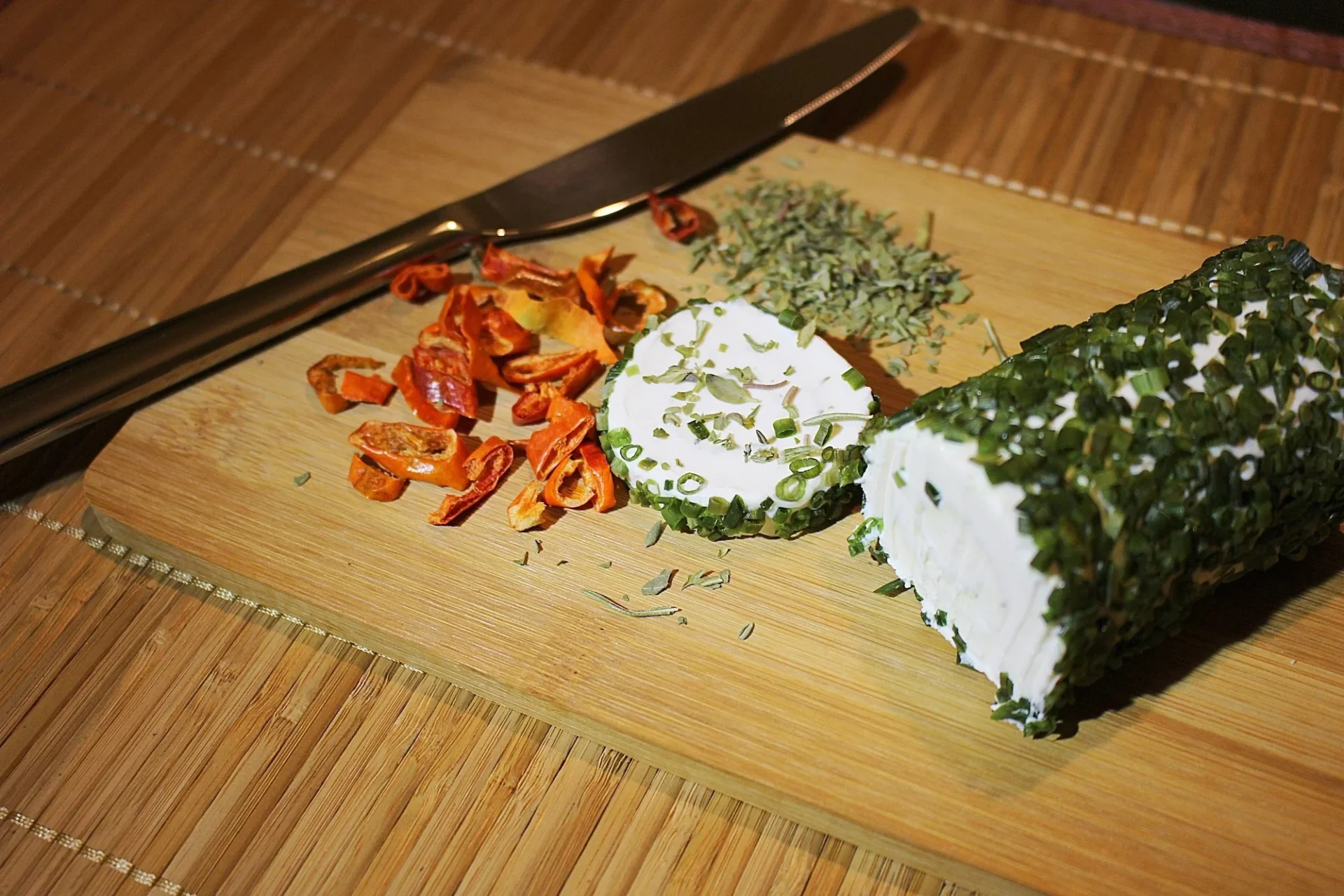
- Herb-coated chèvre — Sauvignon Blanc, dry rosé, Cabernet Franc (light), Vermentino
- Crottin de Chavignol (young) — Sancerre (the definitive match), Pouilly-Fumé, Menetou-Salon
- Crottin de Chavignol (aged, firm) — Sancerre with age, white Bordeaux (Pessac-Léognan), Chinon
- Ash-ripened (Valénçay, Selles-sur-Cher) — Rhône whites, Vouvray demi-sec, Chinon
- Bloomy-rind goat brie / Florette — Blanc de Blancs Champagne, Crémant de Loire, Vouvray, unoaked Chardonnay
- Semi-firm aged (Garrotxa) — Brut Cava, Vermentino, light Pinot Noir
- Aged goat cheddar — Pinot Noir, Gamay, lightly oaked white Burgundy
- Goat cheese in salad (with lemon dressing) — Sauvignon Blanc, Picpoul, Albariño
- Goat cheese tart or soufflé — Sancerre, white Burgundy, dry Riesling
What to Avoid
- Heavily oaked white wines — oak tannin and vanilla character clashes with goat cheese’s delicate, clean acidity. A lightly oaked white Burgundy is fine; a heavily oaked California Chardonnay tends to overpower the cheese.
- High-tannin red wines — the tannin-protein interaction creates a chalk-and-metal sensation that is unpleasant alongside any goat cheese style.
- Very sweet wines — unlike blue cheese, which benefits from a sweet wine’s contrasting sweetness, goat cheese rarely improves alongside a genuinely sweet wine. The cheese’s own acidity and the wine’s sweetness create a slightly cloying combination. Off-dry is the upper limit; fully sweet wines are generally too much.
- Very tannic rosé — a heavy, extracted rosé can have enough tannin to create the same problems as red wine. Stick to pale, Provençal-style rosé rather than darker, more structured examples.
For broader guidance on building a cheese board and pairing the full range of cheeses with wine, see our comprehensive wine and cheese pairing guide. For the wines mentioned throughout — particularly Sancerre and Loire Valley whites — our guide to terroir explains why regional pairings work so consistently well.
Frequently Asked Questions
What wine goes best with goat cheese?
Sancerre — a Sauvignon Blanc from the Loire Valley — is the classic and most consistently excellent wine with fresh goat cheese. The regional match (Sancerre wine with Crottin de Chavignol goat cheese, both from the same limestone terroir) is one of French food culture’s celebrated pairings. More broadly, any crisp, unoaked Sauvignon Blanc works beautifully with fresh chèvre: Pouilly-Fumé, Marlborough, Sauvignon de Touraine. Dry Provençal rosé is the most versatile all-round option for a cheese board. For aged goat cheese, Loire Cabernet Franc (Chinon, Bourgueil) is an outstanding red wine choice.
Does red wine go with goat cheese?
Red wine can work with goat cheese, but only light-bodied, low-tannin reds. Loire Cabernet Franc (Chinon, Saumur-Champigny) is the best red wine for goat cheese — its herbal, pencil-lead character and soft tannins complement aged chèvre particularly well. Pinot Noir (earthy, village-level Burgundy styles) and Gamay (Beaujolais) also work with aged or semi-firm goat cheeses. Avoid tannic reds: Cabernet Sauvignon, Barolo, Syrah — the tannin-protein interaction with goat cheese creates an unpleasant metallic, chalky flavour.
Why does Sauvignon Blanc go with goat cheese?
Sauvignon Blanc pairs so well with goat cheese for three reasons. First, complementary acidity: both are high in acidity, and rather than clashing they echo each other, creating a lively, refreshing combination. Second, complementary character: Sauvignon Blanc’s herbal, citrus, and grassy notes mirror the earthy, tangy quality of goat cheese. Third, regional resonance: Loire Valley Sauvignon Blanc (Sancerre) and Loire Valley goat cheese (Crottin de Chavignol) grew up together in the same limestone terroir, and the match reflects that shared origin in ways that are difficult to replicate with other combinations.
What wine goes with baked goat cheese?
Baked goat cheese — in a tart, on a salad, or as a soufflé — is warmer, creamier, and often richer than fresh chèvre. It still suits Sauvignon Blanc well, particularly a fuller-bodied example from the Loire or a Sancerre with some structure. White Burgundy (unoaked or lightly oaked Chardonnay) handles the richer texture of baked goat cheese beautifully. Dry rosé is an excellent all-round choice for baked goat cheese salads. If the tart or soufflé also contains other cheeses (cheddar, Gruyère), it becomes more versatile and can handle a wider range of whites.
What is the classic French goat cheese and wine pairing?
The classic French pairing is Crottin de Chavignol (a small, firm, nutty goat cheese from the village of Chavignol) with Sancerre (a Sauvignon Blanc wine from the neighbouring appellation). Both come from the upper Loire Valley, from the same Kimmeridgian limestone and flint soils, and the terroir’s mineral character runs through both. The pairing is celebrated because it exemplifies the French principle of “what grows together, goes together” — the wine and the cheese were both shaped by the same place, and tasting them together makes that connection immediately apparent.