
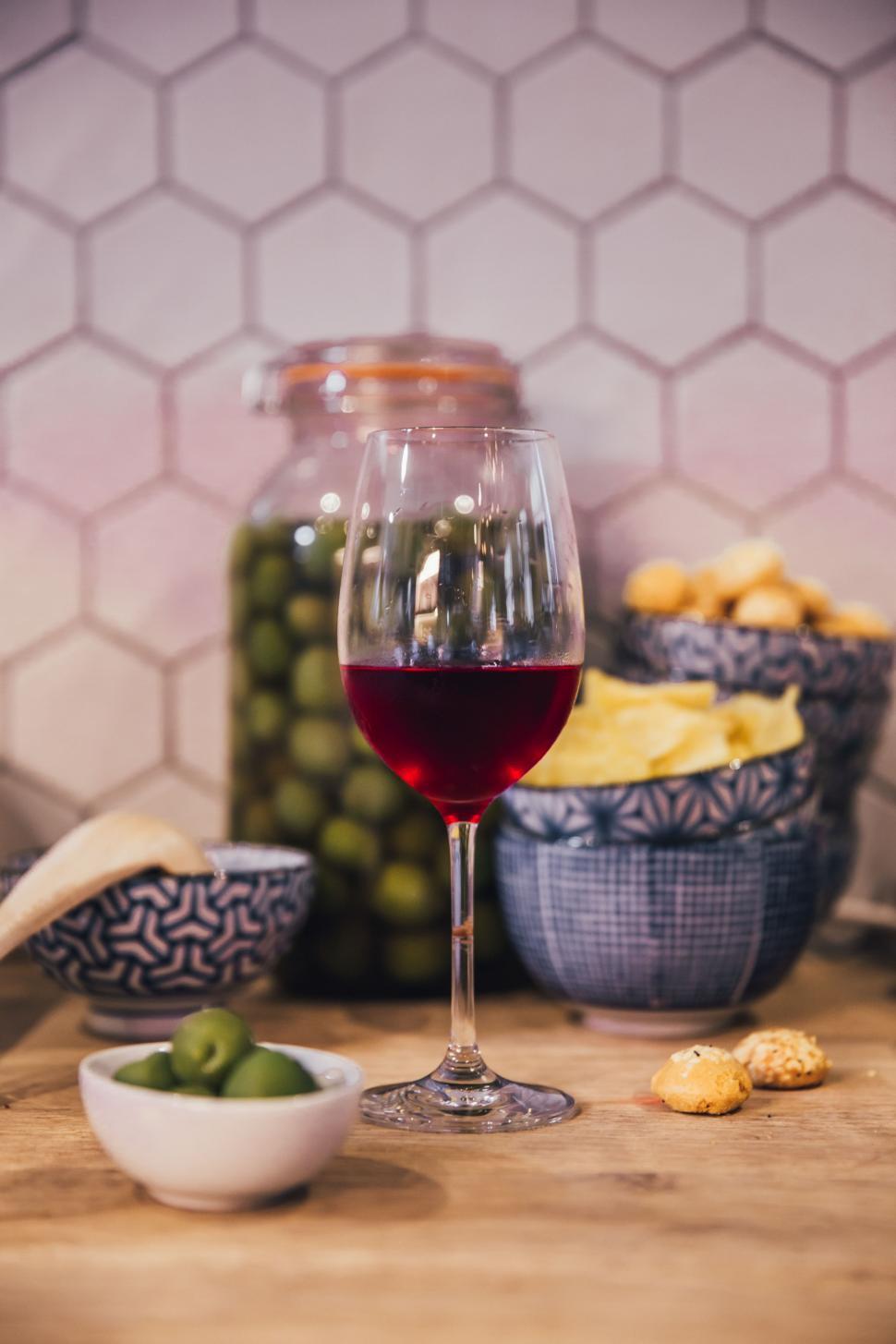
Olives are one of the trickier pairing challenges in all of food and wine, and the difficulty is structural: brine, bitterness, and saltiness are the three flavour elements that most commonly clash with wine. Brine amplifies any harshness in a wine and makes tannic reds taste metallic. Bitterness echoes and amplifies wine’s own bitter elements — tannin and oak. Salt, in large quantities, can distort the perception of a wine’s fruit. The answer is not to avoid wine with olives — the Mediterranean world has been pairing them for thousands of years — but to understand which wines sidestep these problems and why.
In this article
Why Olives Are Challenging for Wine
The specific challenges depend on the type of olive and how it has been treated. Brined olives — most green olives and many black ones — carry a sharp, saline, sometimes acidic brine that is the dominant flavour alongside the olive flesh itself. High tannin in wine reacts with this brine to produce a metallic, slightly bitter aftertaste that is unpleasant in both the wine and the olive. This is why big tannic reds — Barolo, young Cabernet Sauvignon, Amarone — generally fail with most olive preparations.
The second challenge is bitterness. Olives are naturally bitter — that bitterness is managed by curing, but it is never fully eliminated. Wines that are themselves bitter — from oak tannin, from underripe grapes, or from highly structured varieties — can create a bitter-on-bitter clash that flattens both the olive and the wine. The solution is to reach for wines with high acidity and low tannin: the acidity cuts through the brine and fat of the olive, while the absence of significant tannin means no metallic clash.
One positive: salt in food is actually a good thing for dry wine, in the right amount. Moderate saltiness — the kind you get from a well-cured olive alongside a glass of wine — can make the wine’s fruit seem brighter and more vivid. It is the reason Fino Sherry and olives is one of the great pairings in Spanish culture: the wine’s own slightly saline, nutty character meets the olive’s salt and creates a harmony that is difficult to explain until you taste it.
The Best Wines for Olives
Fino and Manzanilla Sherry: The Finest Match
This is the pairing that wine professionals most consistently recommend, and it is one of those combinations that becomes obvious the moment you try it. Fino Sherry — and its coastal, more saline cousin Manzanilla from Sanlúcar de Barrameda — is a bone-dry, flor-aged fortified wine with a distinctively nutty, saline, slightly oxidative character. It is low in fruit, high in umami-like savouriness, and carries a natural salt quality from the sea air of its ageing environment.
The pairing works because the wine and the olive are speaking the same flavour language. The wine’s nuttiness echoes the fat of the olive flesh; its natural salinity meets the brine without amplifying it; its high acidity refreshes the palate; and its fortified structure (around 15–17% alcohol) means it is robust enough to handle the olive’s assertive flavours. Fino Sherry with Manzanilla olives (small, green, crisp Spanish olives) alongside some Manchego cheese is one of the great simple pleasures in Spanish food culture.
Albariño: Saline, Crisp, Regional
Albariño from Galicia in northwest Spain has a natural affinity for olives that goes beyond coincidence. The grape produces wines with pronounced minerality, a citrus-driven acidity, and a subtle saline quality from the Atlantic influence of the Rias Baixas region. This salt-and-citrus character echoes the brine of green olives without amplifying it, and the wine’s high acidity refreshes the palate between bites.
Albariño is particularly good alongside Spanish green olives (Manzanilla, Gordal, Sevillano) and with olive-based tapas preparations: tapenade on toasted bread, olive and anchovy crostini, or olives with pickled peppers. The wine is widely available at £12–20 and reliably consistent in quality.
Vermentino: Herbal and Mineral
Sardinian and Ligurian Vermentino brings herbal, citrus, and subtly bitter almond notes that create a complementary pairing with olives’ own slight bitterness. The wine’s slight phenolic bitterness is in the same register as the olive rather than clashing with it, and its fresh acidity handles the brine. This is a more interesting pairing than basic Pinot Grigio and worth seeking out at any Italian deli or specialist wine shop.
Vermentino is particularly well matched with Ligurian olives (Taggiasca — small, sweet, oil-cured) and Castelvetrano olives (buttery, sweet, meaty Sicilian olives). Both olive types are mild enough to suit the wine’s freshness, and the Mediterranean regional match gives the combination cultural logic as well as sensory logic.
Sparkling Wine: Cava, Prosecco, Crémant
Sparkling wine and olives is a more reliable pairing than most people expect, and the mechanism is straightforward: the effervescence acts as a palate cleanser, cutting through the oil and brine of each olive and refreshing the mouth between bites. The bubbles physically lift the fatty residue from the palate in a way that still wine cannot.
Cava — Spanish traditional-method sparkling wine — is the most natural olive companion, partly because of the regional logic (both come from Spain) and partly because Cava’s yeasty, earthy, citrus character suits the savoury character of cured olives very well. Brut Cava at £8–15 with a plate of mixed Spanish olives is a brilliant aperitivo combination.
Prosecco works well with milder green olives (Castelvetrano, Cerignola) where you want freshness and fruit rather than complexity. Its softer bubbles and approachable fruit are a gentler match than Cava’s more structured character. For pungent or heavily marinated olives, Prosecco can be overwhelmed — reach for Cava or Champagne instead.
Dry Rosé
A dry Provençal rosé — particularly from Bandol, where the fuller-bodied Mourvèdre-based rosé has genuine presence — handles the full range of olive types well. The wine’s combination of red fruit character, herbal notes, and genuine acidity navigates between the fruitiness demanded by brined olives and the body needed for richer, oil-marinated black olives. A Tavel rosé (fuller, more structured, from the Rhône) is an excellent choice for a mixed olive platter.
Light-Bodied Reds: When the Context Calls for Red
If the occasion demands a red wine alongside olives — a charcuterie board, a mixed antipasti, or an Italian dinner where both red and olives appear — choose light-bodied, low-tannin reds that do not amplify the brine.
- Pinot Noir — its soft tannins and red fruit character avoid the metallic clash that tannic reds create. Particularly good with Kalamata olives, whose mild, slightly vinegary brine suits the wine’s earthy, cherry character.
- Barbera — high acidity, low tannin, vivid cherry. The acidity cuts through olive brine effectively; the absence of significant tannin avoids the metallic reaction. An Italian antipasti classic.
- Sangiovese / Chianti — works when olives appear alongside other Italian antipasti ingredients that soften their impact (cured meats, cheese, bread). The wine’s herbal, cherry character echoes the olives’ own Mediterranean background. Avoid if the olives are the sole focus — the tannin level is on the edge.
- Lambrusco Secco — the sparkling red from Emilia-Romagna. Its effervescence cleanses the palate; its low tannin avoids the metallic clash; and its vivid fruit balances olive saltiness. An underrated aperitivo choice.
Pairings by Olive Type
The olive variety and curing method matters as much as the wine choice. Here is a quick reference by the most common types:
- Castelvetrano (buttery, mild, sweet, Sicilian) — Prosecco, Vermentino, unoaked Chardonnay, dry rosé. The mildest olive type; suits the lightest wines.
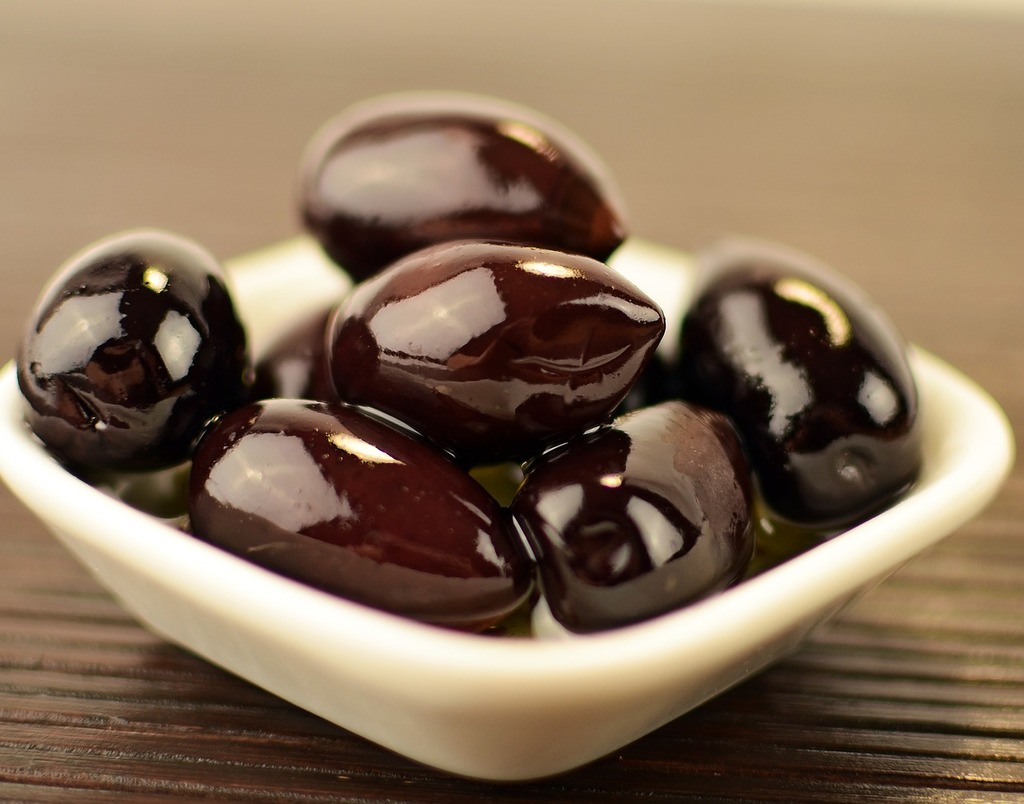
- Kalamata (pungent, vinegary brine, Greek) — Pinot Noir, dry Greek whites (Assyrtiko, Moschofilero), bone-dry rosé. Their pronounced, acidic brine calls for wines with matching acidity.
- Manzanilla / Gordal (briny, meaty, Spanish green) — Fino Sherry, Manzanilla Sherry, Albariño, Brut Cava. The Spanish regional match is the natural first choice.
- Taggiasca / Ligurian (small, sweet, oil-cured, Italian) — Vermentino, Pigato, unoaked Chardonnay, Ligurian whites. Oil-cured olives are gentler on wine than brined ones.
- Nicoise (small, brine-cured with herbs, French) — Provençal rosé, Chablis, Picpoul de Pinet. The herbal curing suits wines with herbal and mineral character.
- Picholine (crisp, citrusy, French green) — Sauvignon Blanc, Albariño, Crémant d’Alsace. Their citrus brightness echoes the wine’s own citrus character.
- Black olives (dry-cured) (wrinkled, intense, slightly bitter) — Fino Sherry, aged Grenache, Bandol rosé. Dry-cured black olives are the most wine-friendly because the absence of brine removes the main source of clash.
- Marinated olives (herbs, garlic, chilli) — depends on the marinade. Herb-marinated: dry rosé or Vermentino. Spice-marinated: off-dry Riesling or Grenache. Garlic-heavy: Albariño or Picpoul.
What to Avoid
- High-tannin reds (Barolo, young Cabernet Sauvignon, Amarone, Mourvèdre) — tannin + brine = metallic, bitter, unpleasant. This is the most consistent mistake in olive and wine pairing.
- Heavily oaked whites — oak tannin has the same effect as grape tannin against brine. An oaked Chardonnay next to strongly brined olives will taste woody and bitter.
- Sweet wines — the contrast of sweetness against saltiness can work (a semi-sweet Riesling with very salty olives occasionally succeeds as a deliberate contrast pairing), but in most cases the sweetness amplifies the olive’s salt and makes the combination cloying.
- Very fruity, low-acid reds — warm-climate Shiraz or Zinfandel can taste jammy and flabby against the savoury, briny intensity of most olives. The fruit is not the problem; the low acidity is.
The Context Matters: Antipasti, Tapas and Cocktail Tables
In practice, olives rarely appear alone. They appear as part of an antipasti spread, a tapas selection, or a cocktail nibble alongside cheese, charcuterie, bread, and crudités. This context changes the pairing calculation: the wine does not need to pair with the olives in isolation but with the whole spread.
For a mixed antipasti or tapas board, the all-round solutions are: Brut Cava (handles everything on the board, cuts through fat and brine, serves a crowd), dry Provençal rosé (versatile, fresh, crowd-pleasing), or Fino Sherry (the most culinarily sophisticated choice, particularly for a Spanish-leaning board). Any of these will handle the olives, the cheese, the cured meats, and the bread simultaneously without demanding that everyone agree on a single pairing principle.
For broader principles on pairing wine with savoury, salty, Mediterranean foods, see our food and wine pairing guide, which covers acidity, intensity matching, and the contrast pairing approach that underpins several of the recommendations above.
Frequently Asked Questions
What wine goes best with olives?
Fino or Manzanilla Sherry is the finest match for olives and the most consistent recommendation from wine professionals. Its naturally saline, nutty, bone-dry character meets olive brine without amplifying it, and its Spanish cultural context makes it a natural companion for green Spanish olives. Albariño, Vermentino, Brut Cava, and dry Provençal rosé are all excellent alternatives. For a mixed olive and antipasti board, Brut Cava or a dry rosé are the most versatile crowd-pleasing choices.
Does red wine go with olives?
Red wine can work with olives, but only light-bodied, low-tannin reds. Pinot Noir is the most reliable red wine choice alongside olives: its soft tannins avoid the metallic clash that high-tannin reds create with brine, and its red fruit character complements Kalamata and milder black olives. Barbera, Sangiovese (when olives appear alongside other antipasti), and Lambrusco Secco also work well. Avoid tannic reds like Barolo, Cabernet Sauvignon, or Amarone alongside olives — the tannin-brine interaction produces an unpleasant metallic flavour in both the wine and the olive.
What wine goes with Kalamata olives?
Kalamata olives — deep purple, pungent, cured in vinegar or red wine brine — suit wines with good acidity and low tannin: dry Greek whites like Assyrtiko or Moschofilero, Pinot Noir, dry Provençal rosé, or Fino Sherry. The regional match (dry Greek wines with Greek olives) is consistently the most satisfying. Avoid tannic reds, which create a metallic reaction with Kalamata’s assertive brine.
Why do some wines taste metallic with olives?
The metallic taste comes from the reaction between wine tannins and the brine of cured olives. Brine is high in sodium and acidic compounds that interact with tannin molecules to create an unpleasant metallic or bitter aftertaste that affects both the wine and the olive. This is why high-tannin reds (Barolo, Cabernet Sauvignon, Amarone) are poor matches for brined olives. The solution is to choose low-tannin wines with high acidity: the acidity handles the brine without the tannin creating the metallic reaction.
What is the best wine for a charcuterie board with olives?
For a mixed board with olives, cured meats, cheese, and bread, the three most versatile wine choices are: Brut Cava (cuts through fat and brine, suits everything on the board), dry Provençal rosé (fresh, food-friendly, crowd-pleasing), and Fino Sherry (the most culinarily sophisticated choice, particularly for a Spanish-influenced spread). Any of these three will handle the full range of flavours on an antipasti or charcuterie board without needing a separate pairing for each element.
Does Fino Sherry really go with olives?
Yes — Fino and Manzanilla Sherry are considered the finest wine match for olives by most wine professionals, and the pairing is deeply rooted in Spanish culture. Fino Sherry’s naturally saline, nutty, bone-dry character echoes the brine and fat of cured olives rather than clashing with it. Its high acidity refreshes the palate. Its fortified structure (15–17% alcohol) makes it robust enough to handle assertive olive flavours. Manzanilla from Sanlúcar de Barrameda is the most delicate and saline style, particularly good with light, crisp green olives. Both are widely available at under £12 and are extraordinary value for their quality.